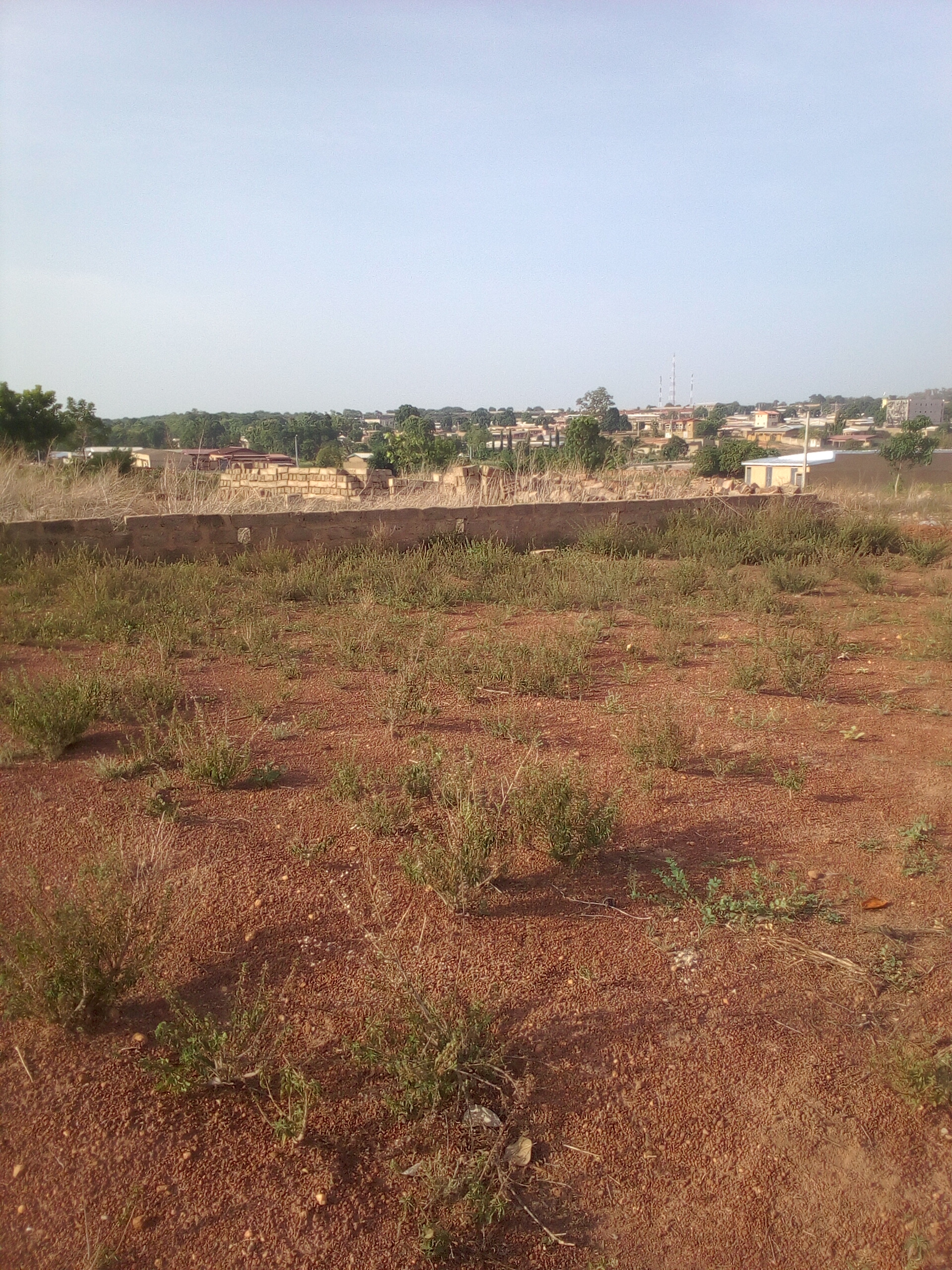
Korhogo
Introduction
Korhogo is a city in northern Ivory Coast, and it serves as the seat of Savanes District and Poro Region. It is also a commune and the seat of Korhogo Department, making it an administrative centre for the surrounding area.
As the largest city in northern Ivory Coast, Korhogo is a natural base for exploring the region. Its role as a district and regional capital means you will find the services and transport links of a major urban centre here.
Before you go
Korhogo is the largest city in northern Côte d'Ivoire, and its population is mostly Senufo. Bear that in mind as you plan: this is a place to prepare for the north of the country rather than a stop on a well-worn circuit.
The source material on Korhogo is limited, so arrive with modest expectations about what you can confirm in advance. What is clear is the city's setting and its Senufo character, which shape everything from the language you'll hear to the crafts and customs you'll encounter. Plan around that cultural context rather than a checklist of sights.
Getting there
Korhogo has its own airport (HGO), with flights to Abidjan. If you are arriving from elsewhere in Ivory Coast, bus connections are operated by different companies to several other destinations in the country.
For the surrounding villages, bush taxis are the way to go.
Getting around
Korhogo has no rail, metro or tram network, so getting around happens by road, on foot, or by motorcycle taxi. The taxi-moto is the most useful and flexible option: these motorcycle taxis will take you anywhere in and outside the city, whether you are making a short hop or a longer trip across town. Short rides of up to about 2 km usually cost in the region of 300–500 CFA. Agree on your fare before you set off, especially for longer journeys or trips outside the city. Taxi-motos are also the simplest way to reach a specific sight, such as the woodcarvers' quarter or the Péléforo Gbon Coulibaly Regional Museum.
There is no local city bus or metro system for visitors. Bus services are intercity rather than urban, with different companies connecting Korhogo to other destinations in Ivory Coast, and they are the main long-distance option if you are arriving or leaving by road. To reach surrounding villages, shared bush taxis run from the city. Beyond taxi-motos, do not count on a conventional metered taxi fleet or any ride-hailing app. Walking works well for parts of central Korhogo and is the best way to explore compact areas like the woodcarvers' quarter, but plan longer walks for the cooler parts of the day: Korhogo is hot, hottest between February and April, and wettest from May to October. Mont-Korhogo dominates the southwest quarter and makes a useful landmark for orienting yourself. Korhogo Airport receives domestic flights only, with flights to Abidjan, and onward transport into the city follows the same pattern as everywhere else — a taxi-moto for the final stretch, with the fare agreed beforehand.
Where to stay
For a quiet night away from traffic noise, consider Hote Belle Cote. It offers different room categories, and the rooms upstairs around the courtyard are the nicest option. The restaurant on site serves Ivorian food, so you can eat without leaving the property.
Food & drink
Local restaurants in Korhogo serve typical African dishes such as Aloko and Attiéké, usually accompanied by chicken or fish. If you opt for fish, be aware that it is often not recommended, as it has usually been lying in the sun for a few days. For something different, Le Bokadios in the centre is a very good Moroccan restaurant.
To drink, ask local people for Chapallo, a local brew made from sorghum that is very spicy. It is not available on the market, but you can find it in some small cafes. Bandji, or palm wine, is not widely available, but you can find some if you are lucky.
What to see and do
Korhogo's main sights cluster around the centre and the craft traditions the city is known for. The Péléforo Gbon Coulibaly Regional Museum and the woodcarver's quarter are the two principal draws, and in the latter you can watch sculptors at work throughout the area. The Mosquée de Korhogo, the city's main mosque, stands in the centre of town and makes a useful landmark for orienting yourself.
- Péléforo Gbon Coulibaly Regional Museum
- Woodcarver's quarter
- Mosquée de Korhogo
- Sacred rock, a place of worship for local people practising indigenous belief systems, just outside the city
Beyond the city, several Sudanese-style mosques in northern Côte d'Ivoire are UNESCO World Heritage Sites, and a number of them lie in the district or near Korhogo: the Mosquée de Tengréla, the Mosquée de Kouto, the Mosquée de Nambira (Namboura missiri koro), the Grande Mosquée de Kong and the Petite Mosquée de Kong, and the Mosquée de Kaouara. To get the most out of the area's crafts, take a local guide and let them show you the traditional handicrafts in the surrounding villages.
Three days in Korhogo
Day one: Start in Korhogo, the main town of the Savanes District and the Poro Region in northern Ivory Coast. Get your bearings on foot, then head to the Péléforo Gbon Coulibaly Regional Museum to learn about Senufo culture and the history of the Korhogo Department. In the afternoon, arrange a taxi to the surrounding villages, where Senufo artisans work in workshops you can visit. If you want a base in town, Hote Belle Cote is one option among the local hotels.
Day two: Plan a longer excursion beyond Korhogo to see Senufo craft traditions up close, including carving and cloth painting. Agree on the fare with your taxi driver before you set out, and carry CFA cash for purchases. Local Ivorian and African dishes are easy to find back in town in the evening. If you prefer to arrive by air, Korhogo Airport connects the town with Abidjan.
Day three: Take a bus or taxi to a nearby village for a final morning of walking and meeting artisans. February to April and October to May are the months when travel is most comfortable, so build your visit around those windows if you can. Return to Korhogo for a last look at the museum or the market before you leave the Savanes District.