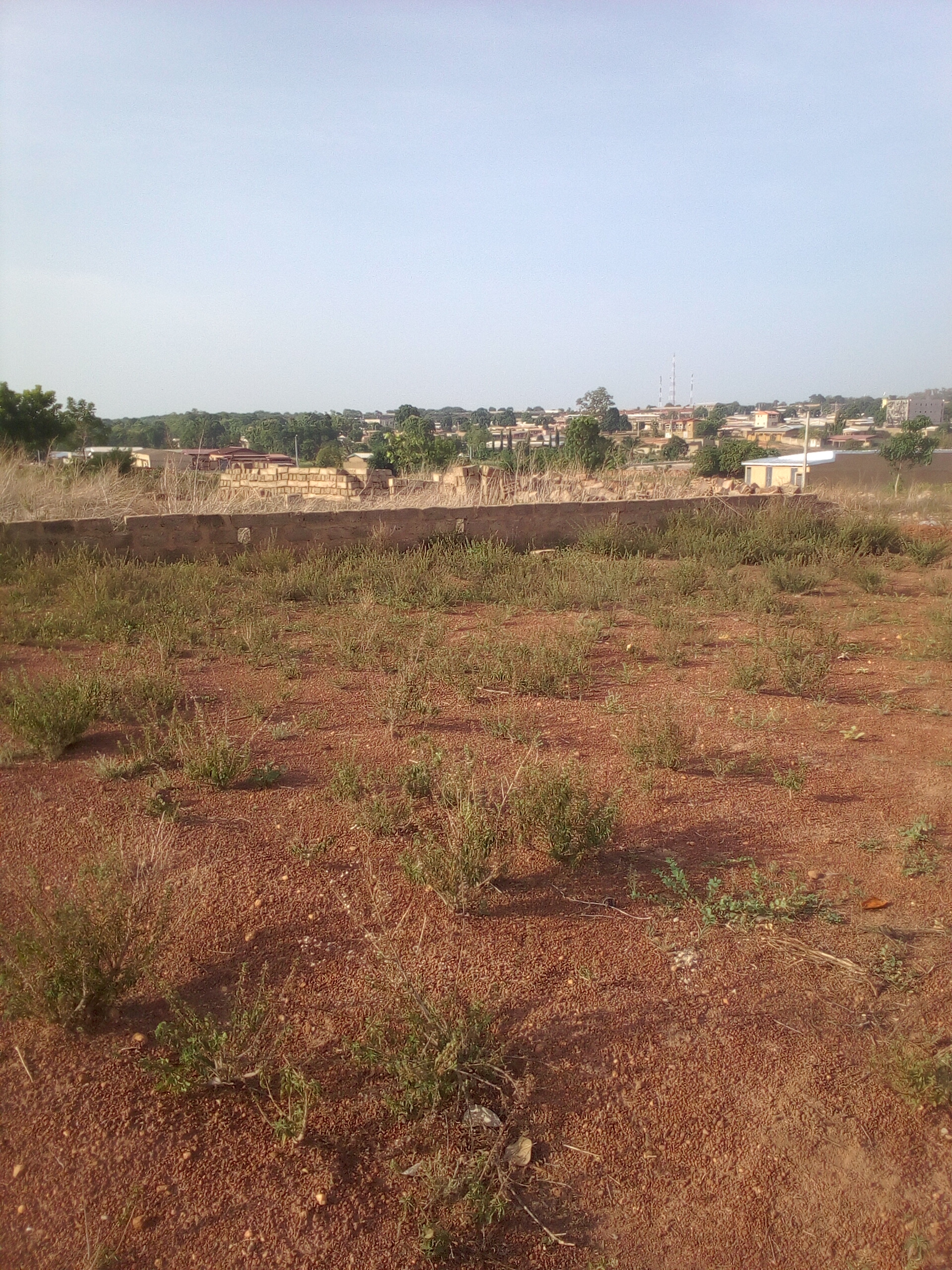
By late afternoon the heat starts to lift and Korhogo's streets fill with people heading home from the market, traders packing up, and the smell of cooking fires drifting across the neighbourhoods. As darkness settles, the city's evening life gathers quietly: small cafes, family compounds, and the occasional spot where music carries into the street.
Korhogo is not a city with a big, organised nightlife scene. It is the largest city in northern Ivory Coast and the capital of the Senufo people, and going out here is a low-key, local affair rather than a circuit of bars and clubs. It suits travellers who are happy to take things slowly, ask around, and let local people point them toward where to spend an evening.
Where to go out in Korhogo
1. Small local cafes
The most reliable way to spend an evening out in Korhogo is to find one of the small cafes where local drinks are served. These are informal places rather than polished venues, and the atmosphere is conversational and unhurried.
This suits anyone who wants to drink the way people locally do rather than to be entertained. The practical point: ask local people where to find Chapallo, a local brew made from sorghum that is described as very spicy. It is not sold on the market, but it does turn up in some small cafes.
2. Anywhere you can find Bandji
Bandji, or palm wine, is another local drink worth asking after. It is not widely available in Korhogo, so an evening built around it depends on luck and on local knowledge rather than on a fixed destination.
This suits a flexible night, one where you are content to follow a tip rather than a plan. The practical point: if you want to try it, ask around rather than expecting to find it on a menu.
3. The woodcarvers' quarter
The woodcarvers' quarter is one of the sights of Korhogo, and the surrounding area gives a sense of the craft tradition the city is known for. Time spent here in the late afternoon and early evening is more about the setting than about nightlife as such.
This suits a slow, curious evening rather than a late one. The practical point: the source suggests taking a local guide to show you the traditional handicrafts, including in the surrounding villages.
4. Around the large market
Korhogo has a large market, and the area around it is one of the anchors of the city's daily and evening activity. As the day winds down, this is where much of the movement and conversation in the city is concentrated.
This suits a wander rather than a seated night out. The practical point: treat the market area as a place to orient yourself and to ask local people where they go in the evening, rather than as a destination with a fixed programme.
5. The cinema
Korhogo is home to a cinema, which offers an indoor alternative to sitting out in the evening heat. It is one of the city's listed amenities rather than a nightlife district.
This suits a quiet evening, or a break from the open air. The practical point: the source does not give showtimes, prices or current programming, so check locally before planning a night around it.
How a night out unfolds
The sources do not describe a set evening timetable for Korhogo, so there is little to say about when people eat, when they head out, or how late things run. What is clear is that going out here is informal and centred on local drinks and conversation rather than on a fixed schedule of venues. Plan around the heat instead: the hottest months are February to April, and the rainiest months run from May to October, which is worth factoring into any evening you arrange.
Frequently asked questions
What local drinks should I look for in Korhogo?
Two are named in the sources: Chapallo, a local brew made from sorghum that is described as very spicy, and Bandji, or palm wine. Chapallo is not available on the market but can be found in some small cafes; Bandji is not widely available and you may only find it if you are lucky.
Is there a market where I can buy these drinks?
No. The source is explicit that Chapallo is not available on the market, and that it is found instead in some small cafes. For Bandji, availability is a matter of chance.
How should I arrange to see the local handicrafts?
Take a local guide and let them show you the traditional handicrafts, including in the villages surrounding Korhogo. This is the approach the source recommends.
What is the best time of year for an evening out?
The sources give climate rather than a nightlife season: the hottest months are February to April, and the rainiest months are May to October. Outside those periods, conditions are likely to be more comfortable for time spent outdoors in the evening.
Ask around when you arrive, set aside an evening for a small cafe and a glass of Chapallo, and let the city's own pace shape the night.