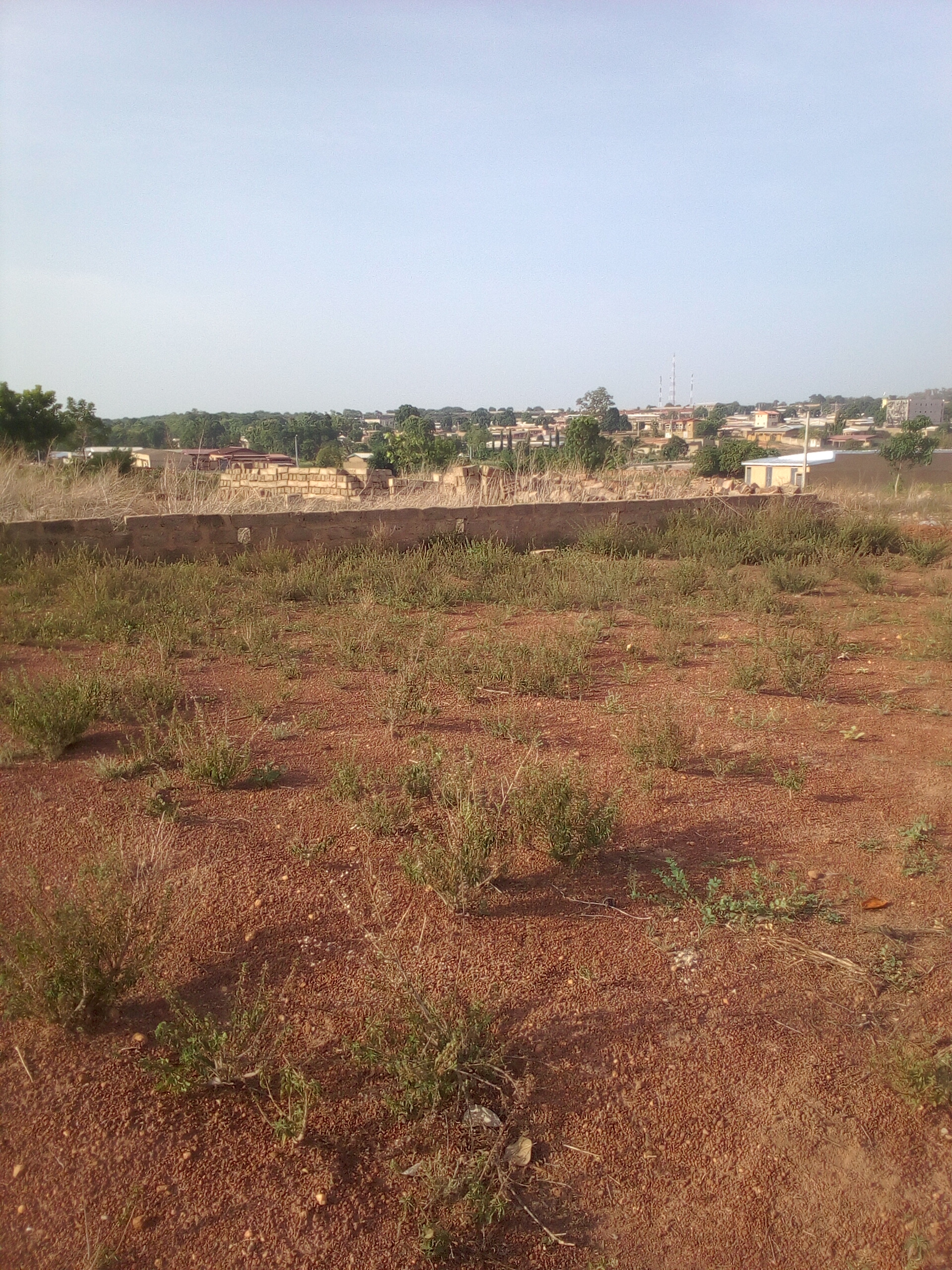
Korhogo is the largest city in northern Ivory Coast and the capital of the Senufo people, with a large market, a regional museum, a mosque and a quarter given over to woodcarvers. It sits on a plateau in the savannah, with the Mont-Korhogo rising over the southwest quarter of the city.
For a visitor, the city is compact enough that your choice of base is mostly about what you want within walking distance: the market and the museum, the woodcarvers' workshops, or the quieter streets away from the main traffic. This guide covers the areas the sources identify, what each suits, and how to think about budget, mid-range and splurge stays.
Best areas to stay in Korhogo
1. The area around the woodcarvers' quarter
The woodcarvers' quarter is one of the city's named sights, and basing yourself near it puts you within reach of the workshops where Senufo carving is produced. It suits visitors whose main interest is craft and who want to spend time watching and buying directly.
It is a working part of town rather than a resort strip, so expect the sounds and movement of a craft district. Confirm with your accommodation how you will get to the market and the museum, as these are separate from the quarter.
2. The centre, near the market and the museum
The large market and the Péléforo Gbon Coulibaly Regional Museum are both named sights, and staying in the centre puts you close to them, along with the mosque and the cinema. This is the most practical base for a first visit, because the city's main points of interest are within the same part of town.
It suits first-time visitors and anyone without their own transport. The trade-off is traffic noise, which is why some accommodation in the city advertises itself as being away from it.
3. Away from the main traffic routes
At least one place in Korhogo is described as quiet and away from traffic noise, with rooms arranged around a courtyard and a restaurant serving Ivorian food. This kind of setting suits travellers who want calm in the evenings, families, and anyone staying several nights.
The practical point is distance: a quiet location means you will rely on taxis or a car to reach the market, the museum and the woodcarvers' quarter. Ask how the property connects to the sights before you book.
4. The southwest quarter, below Mont-Korhogo
The southwest quarter of the city is dominated by Mont-Korhogo, which gives this side of town its character. It suits visitors who want the landmark on their doorstep and are willing to be a little removed from the commercial centre.
Because the terrain rises here, expect slopes rather than flat walking. Check how you will get to and from the centre, particularly if you are arriving with luggage.
Where to stay on a budget, mid-range or splurge
- Budget: simple rooms in the city's guesthouses and small hotels, often with shared or basic facilities and the lowest rates. In Korhogo, published rates start from around 10,000 CFA for the cheapest room categories.
- Mid-range: properties offering different room categories at different prices, with private rooms, a courtyard or garden, and an on-site restaurant serving Ivorian food.
- Splurge: the upper room categories within the same properties, typically the larger or better-placed rooms, such as those upstairs around a courtyard. Korhogo has no large international resort sector, so the top end here means the best rooms available locally rather than a separate class of hotel.
Best area for a first visit
For a first visit, base yourself in the centre, near the market and the Péléforo Gbon Coulibaly Regional Museum. These are the city's principal sights, and staying close to them keeps your days simple without depending on transport. If traffic noise is a concern, choose a property that advertises itself as quiet and away from the main routes, and plan on short taxi rides instead.
Frequently asked questions
When is the best time of year to visit Korhogo?
The rainiest months are May to October, with average annual rainfall of 1,243 mm. The hottest months are February to April, and the average year-round temperature is 26.6 degrees Celsius.
How do I reach Korhogo?
Korhogo Airport has the code HGO and receives domestic flights only, on a single 2,100-metre runway. Overland, the city sits on what was an important pre-colonial trade route to the Atlantic coast.
What is there to see in Korhogo?
The named sights are the Péléforo Gbon Coulibaly Regional Museum and the woodcarvers' quarter. The city also has a large market, a cinema and a mosque.
Is Korhogo a quiet place to stay?
It depends on where you base yourself. Some accommodation is described as a quiet place away from traffic noise, while the centre around the market is busier. If quiet matters to you, ask about the location relative to the main roads before booking.
Compare live prices for the areas above using the booking tools on this page.