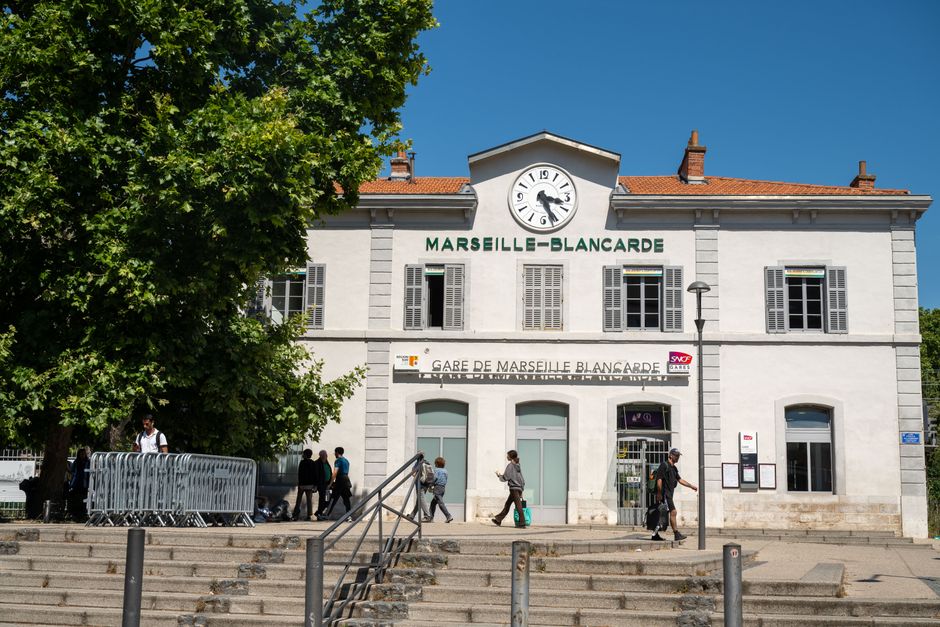
At 2:00 am on Sunday, March 28, 2027, the clocks in Marseille jump to 3:00 am, and the city loses an hour of night. What you gain is the thing that matters here: light. The evening you arrive, the sun over the Vieux-Port will set roughly an hour later than it did the week before, and the quays will stay bright long after the ferries have tied up. Plan the trip around that shift rather than around a single event, because the city's spring rituals are weekly and seasonal, not tied to the clock change itself.
Spend the first long evening on the Vieux-Port
The old harbour is the natural place to feel the change. With sunset pushed back about an hour, the waterfront stays busy into the evening: fishmongers' stalls along the Quai des Belges, the ferries crossing to the Frioul islands, and the terraces that line both quays. Walk the length of the port as the light goes, then cross to Le Panier, the oldest quarter, where the streets climb behind the Hôtel de Ville and the evening crowds thin out quickly.
- Quai des Belges fish market — a morning institution on the Vieux-Port; go early, since the clock change also pushes sunrise about an hour later.
- Le Panier — steep lanes, small squares and stairways above the port; best walked in the last hour of daylight.
- The MuCEM and Fort Saint-Jean at the port's western entrance — the waterfront promenade between them is where the evening light lingers longest.
Follow the food through the city's markets
Spring in Marseille is a market season before it is a festival season. The city's daily and weekly markets run on their own calendars, so check locally once you arrive rather than relying on any fixed date. The pattern to build a day around is simple: buy in the morning, eat outdoors in the new evening light.
- Marché du Prado — a large general market on the Prado, good for produce and household stalls.
- Marché de la Plaine — the Thursday market on the Place Jean Jaurès in the Cours Julien area, known for food, produce and a young crowd.
- Noailles, off the Canebière — the city's densest food district, with spice shops and produce stalls in the lanes around the market hall.
- Look for spring produce: strawberries, artichokes and the first broad beans, plus the region's olive oil and goat's cheeses.
Use the extra light for the calanques and the Corniche
The hour gained in the evening is best spent outdoors. The Corniche Kennedy runs along the coast south of the city centre, and the calanques — the limestone inlets between Marseille and Cassis — are the city's signature landscape. In late March the trails are open and the heat is manageable, and the later sunset gives you a longer window to walk back.
- Corniche Kennedy — a seafront walk with swimming spots and views out to the islands.
- Calanques National Park — reachable from the city; check trail access and any seasonal closures before setting out.
- Notre-Dame de la Garde — the basilica on the hill above the port, with the whole city and the sea laid out below; go in the late afternoon.
Know the neighbourhoods and the day trip
Base yourself near the Vieux-Port or in Le Panier for the old city, or in the Cours Julien for the market-and-café side of Marseille. For a day out, take the train or drive east to Cassis, the fishing port at the edge of the calanques, and walk the coastal paths there. The city's cultural calendar in spring is full — theatres, concert halls and the museums around the port all run programmes — but the specific line-up for March 2027 is not something to plan around in advance; check listings when you arrive.
Set your watch, then set your days
Book for the weekend of March 27–28, 2027, so you land before the clocks move at 2:00 am on the Sunday, and give yourself at least three days after it. The change is automatic and the city carries on, but the extra evening light is what you came for. Reserve a place near the Vieux-Port, plan your mornings around the markets and your evenings around the water, and let the later sunsets do the rest.