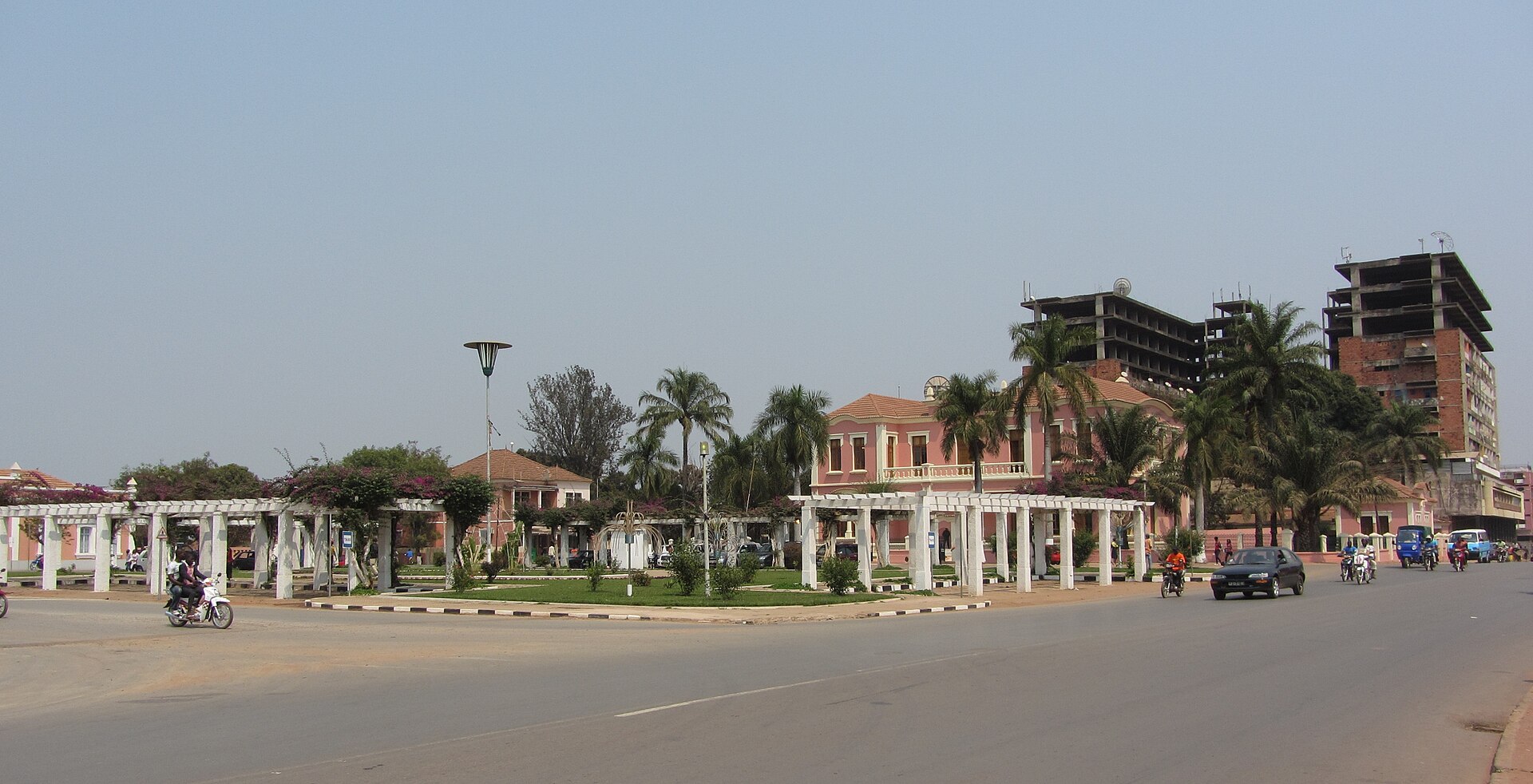
Getting Around Malanje
Malanje is a highland city in northern Angola, set at an elevation of over a thousand metres, and it serves as the capital of Malanje Province. It grew as an agricultural, manufacturing, trading and services centre, and after being partially destroyed during the civil war, reconstruction has rebuilt the city and its surroundings. For a visitor, that history matters practically: the city is compact and largely rebuilt, but its transport options are simpler than those of the capital, Luanda, which lies far to the west.
Arriving by Air
Malanje Airport was built during the colonial era. At present, there are no flights between Malanje and the capital, Luanda, so you should not plan on flying in from Luanda as part of your itinerary. Because the airport is not currently serving that route, the practical way to reach Malanje is overland. If you do arrive by air from elsewhere, arrange your onward transfer in advance through a local operator rather than expecting to find a taxi rank at the airport.
Rail
Malanje is the eastern terminus of Angola's northern railway line, which runs from the capital and port city of Luanda. Construction of this line from Luanda to Malanje began in the nineteenth century, and after the end of the civil war in 2002 it was expected to become the terminus once reconstruction was complete. Angola's rail system as a whole is being restored after wartime disruption, and the northern line operates a full service.
If you travel by train, there are three ticket classes to choose from:
- Primeira — the most expensive class.
- Expresso — the middle option.
- Tramway — the cheapest class.
Carriages on these trains are generally clean and decently modern, and they include a restaurant car and functioning toilets. Note that the "tramway" class is a ticket category on the national railway, not a city tram network — Malanje has no metro or tram system of its own.
Buses and Public Transport
Local buses in Angola typically charge flat fares, but services are disorganized, so treat them as an option of last resort rather than a reliable way to plan your day. The Angolan government has been investing in developing an expanded bus system, though that effort has centred on Luanda. In Malanje, you should not count on a comprehensive city bus network to get you between sights.
Taxis and Minibus Cabs
Taxis are widely described as the best way to get around cities in Angola. In Luanda, the streets are full of candogueiros — minibus cabs painted pale blue and white — and this style of shared minibus taxi is a common way to move around Angolan cities. Minibus cabs are considered safe and convenient during the daytime, but caution is advised after 8:00 p.m.; for late nights, it is better to call a private taxi company than to hail a shared cab on the street.
Private taxi operators are well established in Luanda, and their numbers are worth keeping on hand as a model for booking a car in advance. Examples include Macon Taxi, Emprese de Taxis de Luanda, Marine, and Auto Taxi do Palanca. Ride-hailing apps are not documented for Malanje in the available sources, so plan on using phone-dispatched taxis or a car arranged through your accommodation instead.
Walking
Malanje is a highland city with a humid tropical savanna climate, average temperatures between roughly 20 and 24 °C, and a rainy season running from October to April. Central Malanje is compact enough that walking between nearby points in the city centre is reasonable, and the climate is mild by Angolan standards. Do bear in mind the heavy seasonal rainfall if you are visiting in the wet months, and avoid walking after dark, consistent with the general advice to take care with transport at night.
Driving and Car Hire
Renting a car in Angola can be challenging, and driving outside cities may be risky because of car-jacking and poor road conditions. If you want a vehicle, the safer route is to hire a car with a driver or arrange an airport transfer through a company. Eco Tur, for instance, can arrange minibuses, cars with drivers and airport transfers using four-wheel-drive vehicles, and B Home offers airport pick-ups and rental cars with drivers. These services are useful for reaching nearby attractions such as the Calandula waterfalls, the rock formations of Pungo Andongo, and the Capanda Dam, which lie outside the city.
Practical Summary
- From the airport: there are currently no flights to Luanda, so most visitors arrive overland; pre-arrange any transfer through an operator such as Eco Tur or B Home.
- Rail: the northern line links Malanje with Luanda and runs a full service, with primeira, expresso and tramway ticket classes.
- Buses: flat fares but disorganized services — not a dependable way to plan your day.
- Taxis: the best way to get around cities in Angola; use pale blue and white minibus cabs by day, and call a private company at night.
- Walking: fine for short hops in the centre, but watch the October-to-April rains and avoid being out late.
- Driving: self-drive is difficult and can be risky outside the city; hire a car with a driver instead.