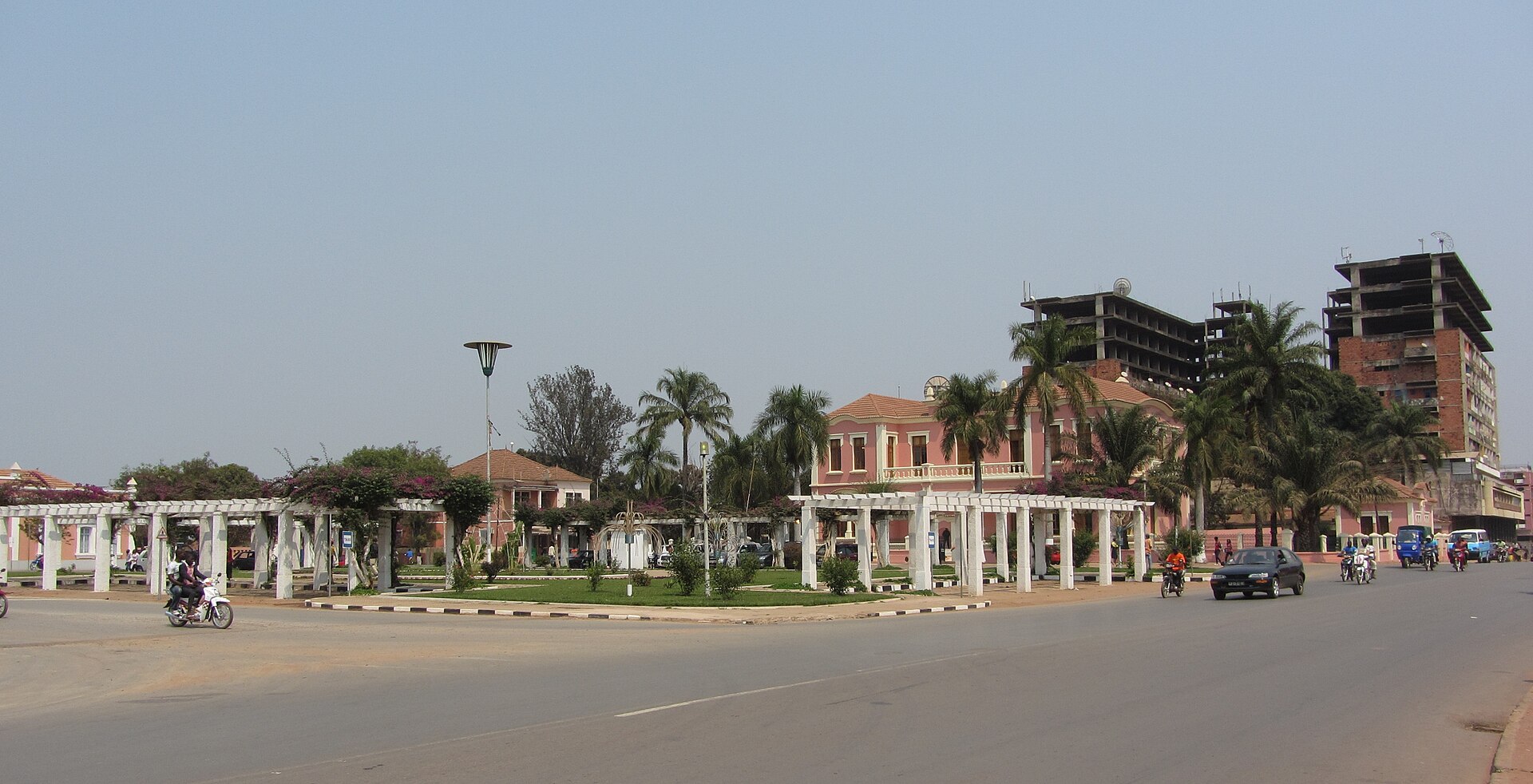
Malanje
Introduction
Malanje is the capital of Malanje Province in Angola, set in the country's interior roughly 380 kilometres east of Luanda. The city is known as a base for exploring some of Angola's most striking natural landmarks: the Calandula waterfalls, the rock formations of Pungo Andongo, and the Capanda Dam all lie within reach.
The climate is humid, with warm temperatures and a distinct rainy season. Plan your visit around the rains if you intend to spend time at the waterfalls and rock formations, and use the city as your starting point for day trips into the surrounding landscape.
Getting around
Malanje is compact and largely rebuilt, so walking between nearby points in the centre is reasonable, and the highland climate is mild by Angolan standards. Do keep the rainy season, which runs from October to April, in mind if you are visiting in the wet months, and avoid walking after dark.
Taxis are widely described as the best way to get around cities in Angola. Shared minibus cabs in pale blue and white are a common way to move around during the daytime and are considered safe and convenient then, but caution is advised after dark; for late nights, call a private taxi company rather than hailing a shared cab on the street. Local buses charge flat fares but run disorganized services, so treat them as an option of last resort rather than a dependable way to plan your day, and do not count on a comprehensive city bus network. Malanje has no metro or tram system of its own — the "tramway" name refers only to a ticket class on the national railway. Ride-hailing apps are not documented for the city, so plan on phone-dispatched taxis or a car arranged through your accommodation. Renting a car can be challenging, and driving outside cities may be risky because of car-jacking and poor road conditions; the safer route is to hire a car with a driver or arrange a transfer through a company, which is also useful for reaching attractions outside the city such as the Calandula waterfalls, the rock formations of Pungo Andongo, and the Capanda Dam.
When to go
Malanje has a tropical savanna climate, so your trip will be shaped by whether you arrive in the wet or the dry half of the year. The wet season brings heavy downpours and high humidity, and travel can turn muddy, with some rural roads becoming difficult to pass. Plan for wet conditions if you visit during this period.
In the dry season, rainfall drops away and the landscape dries out, leaving warm days and clearer skies. This is generally the easier time to get around and to visit the surrounding countryside.
Three days in Malanje
Day one: Start in Malanje, the provincial capital of Malanje Province in Angola, and get your bearings in the city before heading out. Use the day to arrange transport for the rest of your trip, since taxis, shared taxis and local rides are the usual ways to get around, and renting a vehicle gives you more freedom if you plan to reach the waterfalls and the stone formations. In the evening, settle into the easy pace of the city and prepare for longer days on the road.
Day two: Head to Calandula and its waterfalls, the highlight of any stay in Malanje Province. The falls are at their fullest in the wetter months, so expect lush green country and heavy spray if you visit around April, while the landscape turns drier and the roads easier later in the year. Take your time at the viewpoints and allow for the drive back to Malanje.
Day three: Travel to Pungo Andongo to see the dramatic black stone formations, then continue to Capanda Dam on the Kwanza River if time allows. October is a good month for this loop, with warm days and the rains largely past. Return to Malanje in the evening, or connect onward to Luanda if you are flying out.