Understanding Gia Lam
Gia Lam is the former easternmost urban district of Hanoi, Vietnam, sitting across the Red River from the central city. Its district capital is Trâu Quỳ township, and it also includes the townships of Yên Viên and a large number of rural communes, including the famous pottery village of Bát Tràng. Because it lies on the far side of the river from the historic centre, getting around Gia Lam means thinking in two layers: how you cross into and out of Hanoi proper, and how you move between the district's townships, villages and transport hubs.
How Visitors Move Around
There is no single dominant way for tourists to get around Gia Lam. In practice, visitors rely on a mix of taxis, ride-hailing cars, motorcycle taxis (xe om) and long-distance buses that connect the district to the rest of northern Vietnam. The district is also home to major transport infrastructure inherited from the wider Long Biên area, including Gia Lam railway station and Gia Lam bus station, which make it a gateway rather than only a destination.
For most short trips within the district, or between Gia Lam and central Hanoi, the simplest approach is to arrange a car or motorcycle taxi directly.
Rail, Metro and Trams
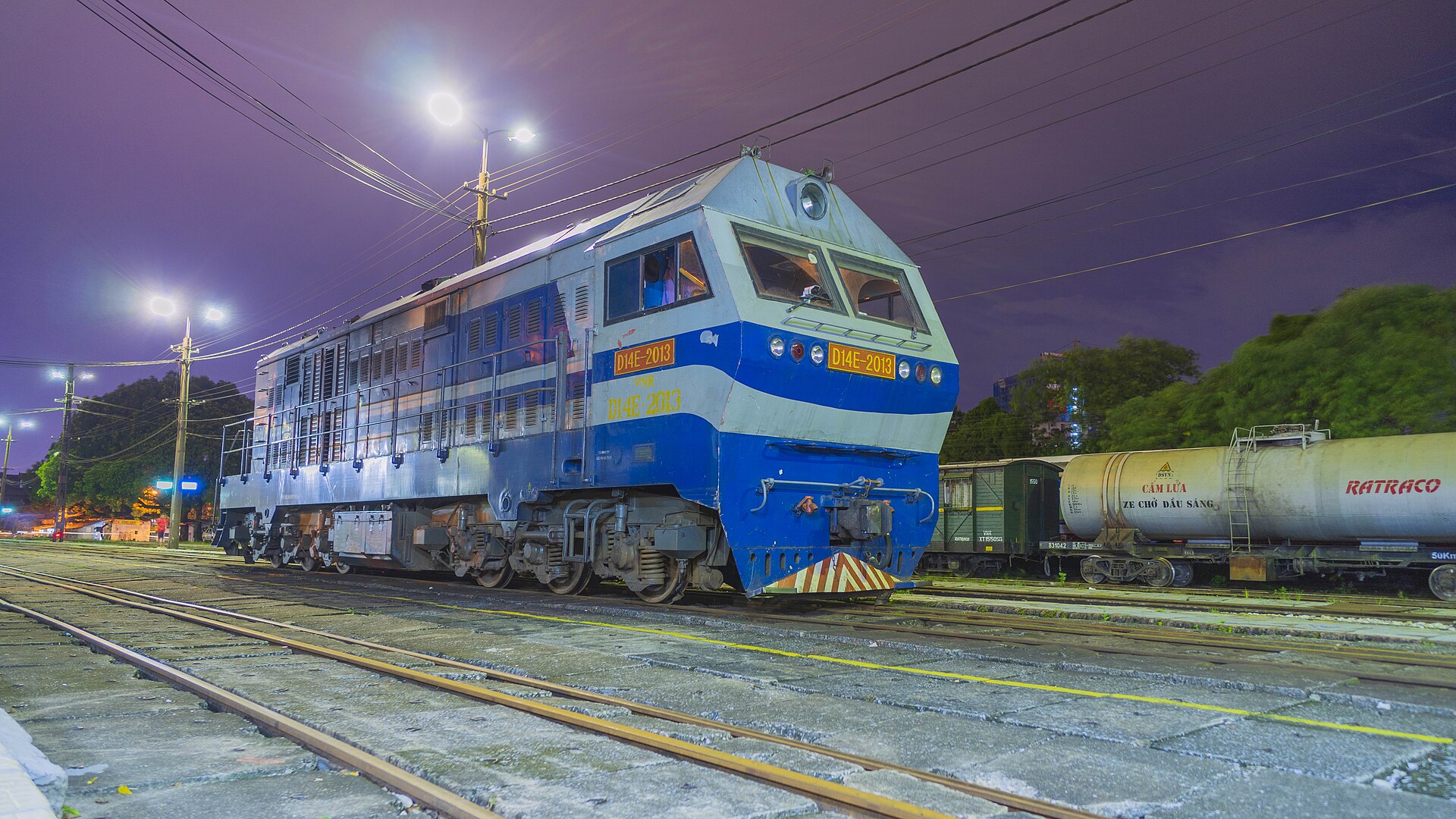
What is documented is Gia Lam railway station, which sits within the district and connects to Vietnam's wider rail system. For longer overnight or intercity legs, the source notes that rail can be a sensible alternative to buses: on several corridors, trains cost about the same as overnight buses and are more reliable. If you are planning a trip beyond Hanoi, it is worth comparing train and bus options before committing.
Within the district itself, the railway station functions mainly as a point of arrival and departure rather than as a local transit hub. From the station, the practical onward move is a short xe om ride to Gia Lam bus station if you are continuing by coach.
Buses and Other Public Transport
Gia Lam bus station is the district's key public transport asset for visitors. It is located at 9 Ngo Gia Kham Street, Long Bien, Hanoi, roughly three kilometres northeast of the city centre across the Red River. The station serves cities in northern Vietnam, including Hai Phong, and popular routes include Ha Long and Quang Ninh. Both government and privately owned operators use the terminal; Hung Duc is named as one operator serving Halong Bay and other cities.
The station has a canteen, toilets, bus ticket counters, sundry shops selling snacks and beverages, and designated boarding and alighting berths. Tickets can be bought at the counters or booked online through aggregator sites such as Easybook, and the source notes that online prices are generally comparable to counter prices. Trip durations listed by operators are estimates only.
- Confirm your terminal: Vietnamese cities have multiple bus terminals split by direction of travel, not by operator. Hanoi's terminals include My Dinh, Giap Bat and Gia Lam. Turning up at the wrong one can cost about an hour of cross-city travel, so confirm the departure terminal before booking.
- Check your boarding point: many tickets do not start at a station. Limousine vans usually collect from the operator's own city-centre office and drop centrally at the destination, while sleeper buses are often barred from city centres and board on ring roads. The boarding point may be given only in Vietnamese.
- Ask about hotel pickup: this is common and usually free, and is worth requesting even if it is not offered.
- Arrive early: aim for about twenty minutes before departure at terminals and ten minutes at operator offices. Departures are punctual at big stations and may leave a few minutes early when full.
- Expect touts: destination boards are in Vietnamese and ticket windows are numbered by route group. Touts calling out destinations inside terminals are a legitimate trade, not a scam; a firm refusal ends it.
- Book ahead at peak times: holiday weekends and the fortnight around Tet see seats sell out, so book weeks in advance.
When choosing a service, the source recommends checking four things before booking: the boarding point, the vehicle type (limousine van versus seated coach versus sleeper), the arrival point (often a station outside the town rather than in it), and the operator's quoted duration against a map estimate, since passenger pickups can double journey time on some routes.
Taxis and Ride-Hailing
Taxis and xe om are the most straightforward way to reach Gia Lam and to move between its transport hubs. Ride-hailing apps such as Grab are mentioned as a common way to access bus terminals, and a car is described as sensible when you have luggage, particularly for outlying terminals. For Gia Lam, a car or taxi is the practical choice if you are carrying bags or travelling to or from the bus or railway station.
Walkability
Walking is realistic for exploring specific destinations such as the pottery village of Bát Tràng, which is both a cultural heritage site and a popular tourist destination, but it is not a practical way to move between the district's hubs. For anything beyond a single village or station area, plan on a vehicle.
Getting from the Airport into the City
A taxi from Hanoi Airport to Gia Lam bus station takes approximately forty minutes. For a visitor heading into central Hanoi or to Gia Lam, a metered taxi or a pre-booked car is the documented option; the source does not describe public transport links from the airport. If you are continuing onward by coach from Gia Lam bus station, allow for the taxi ride plus the recommended twenty minutes at the terminal before departure.
Practical Tips
- Treat Gia Lam bus station as your northern-Vietnam departure point for Hai Phong, Ha Long and Quang Ninh, and book or confirm your terminal before you set out.
- Use a xe om for the short hop between Gia Lam railway station and the bus station, and a taxi or Grab car when you have luggage.
- Buy tickets at the counter for the best price, or book online for convenience; prices are generally comparable.
- If you are travelling overnight, compare rail with bus — trains can cost about the same and are more reliable on some corridors.
- Keep the operator's boarding point in mind, not just the station name, since many services collect from city-centre offices or ring-road points.