Getting Your Bearings
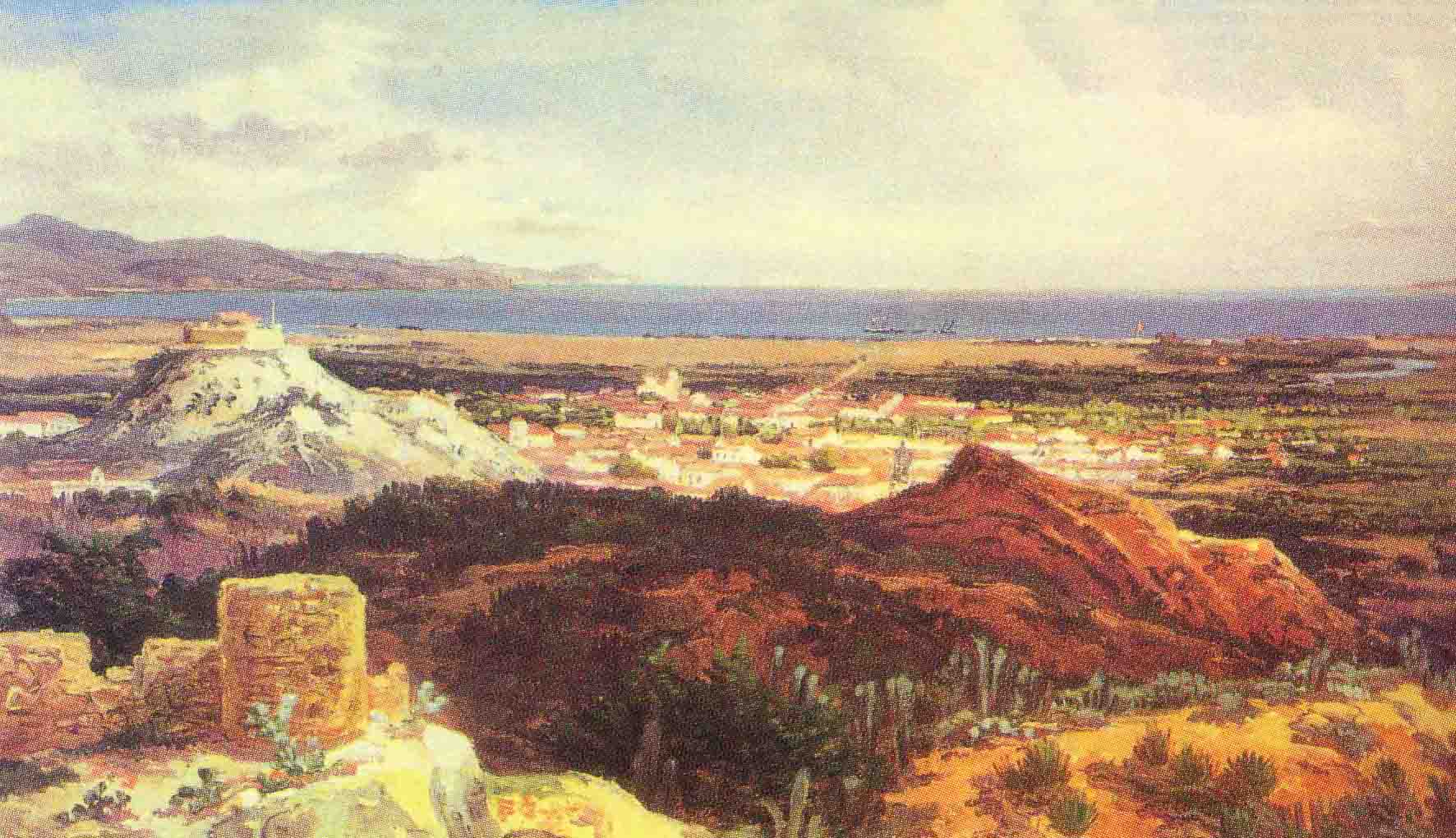
Cumaná sits at the mouth of the Manzanares River on Venezuela's Caribbean coast, in the northeast of the country. As the capital of Sucre State, it's a busy maritime port and university city, and it serves as a gateway to the beaches of nearby Mochima National Park. For a visitor, the practical geography is simple: the historic center and the waterfront are where you'll spend most of your time, and most of your movement will be on foot, in a taxi, or in one of the city's shared vehicles.
Is There a Metro, Tram, or Train?
No. Cumaná has no metro, tram, or rail system. Getting around relies entirely on road-based transport: buses, shared taxis and vans, and private taxis.
Buses and Por Puestos
Public transit in Cumaná comes in two main forms, both running on fixed routes:
- Buses — larger vehicles and the cheapest way to travel. They can get crowded.
- Por puestos — collective taxis or vans. They're smaller, faster, and slightly more expensive than buses, and they function as the city's communal vans.
A few practical points to keep in mind:
- There are generally no formal route maps available, so ask locals for routes and directions — they're usually helpful.
- Key transfer points include the city center, the markets (such as the City Market), and the Terminal de Pasajeros, the principal bus terminal.
- Fares are paid in cash in bolívares, directly to the driver or conductor. Bring small denominations.
- Fares are very low in local currency but change frequently, so confirm the price when you board.
- Service runs roughly from early morning until around 8–9 PM, with frequency dropping after dark.
- These vehicles are not generally accessible for travellers with mobility challenges.
Taxis and Ride-Hailing
Licensed taxis are typically yellow or white cars with a taxi sign, and meters are rarely used — you negotiate the fare instead.
- Hail taxis from authorized ranks, such as those at hotels or the airport, or arrange one through your accommodation. Street-hailing carries a higher robbery risk, especially after sunset.
- Agree on the fare before you set off, and confirm which currency you're paying in. US dollars in cash are often preferred, or the equivalent in bolívares.
- Short city rides typically cost the equivalent of a few US dollars, with the price varying by distance, time of day, and negotiation.
- Ride-hailing apps such as InDriver operate here, but availability and reliability are limited and sporadic. If you use one, verify that the driver and vehicle match the app details before getting in.
Walking
Walking is a genuinely good option in the right parts of the city. The historic center (Casco Histórico) and the waterfront promenade, the Boulevard Gran Cacique, are pedestrian-friendly and pleasant to explore on foot.
Outside those key areas, however, sidewalks can be uneven, crowded, or simply non-existent. Keep these cautions in mind:
- Avoid walking alone at night anywhere in the city, and steer clear of outlying or high-crime neighborhoods — ask locally which areas are safe.
- Cycling isn't a realistic option: bicycle infrastructure is scarce, riding on the roads is unsafe, and there are no known bike-sharing schemes or significant tourist rentals. Motorcycle and scooter rentals are likewise very limited and not advised for visitors.
- Watch out for the strong sun and for mosquitoes, which are most active around dawn and dusk.
Car Rental and Driving
Renting a car is generally not recommended for tourists here. Major international rental companies are extremely limited or absent, and local rentals carry risks including poor vehicle maintenance and inadequate insurance. Foreign credit cards can also be difficult to use for deposits.
If you do drive, you'll need your national driver's license, an International Driving Permit, your passport, and a credit card, and a minimum age applies. Driving is on the right with seatbelts required, though enforcement varies. Be aware that road conditions vary widely and many roads are poorly maintained with potholes, road signs may be missing, and GPS data may be outdated. Fuel shortages can be severe, driving at night is best avoided due to security risks on intercity roads — including roadside robberies and carjackings — and the wet season can cause localized flooding.
Getting In from the Airport
Cumaná is served by Antonio José de Sucre Airport, which has commercial passenger flights to Caracas. The airport is one of the places where you can find authorized taxi ranks, making it the most straightforward option for reaching the city: take a licensed taxi from the rank, agree on the fare before departing, and confirm the currency. If you'd rather not negotiate on arrival, arrange a pickup through your accommodation in advance.
Practical Tips
- Keep your belongings secure and avoid displaying valuables on public transport.
- Plan your evening travel in advance — service becomes scarce after dark.
- Carry small cash denominations for buses and por puestos.
- When in doubt about routes, fares, or safe areas, ask locals; they are generally helpful.