Understanding San Carlos
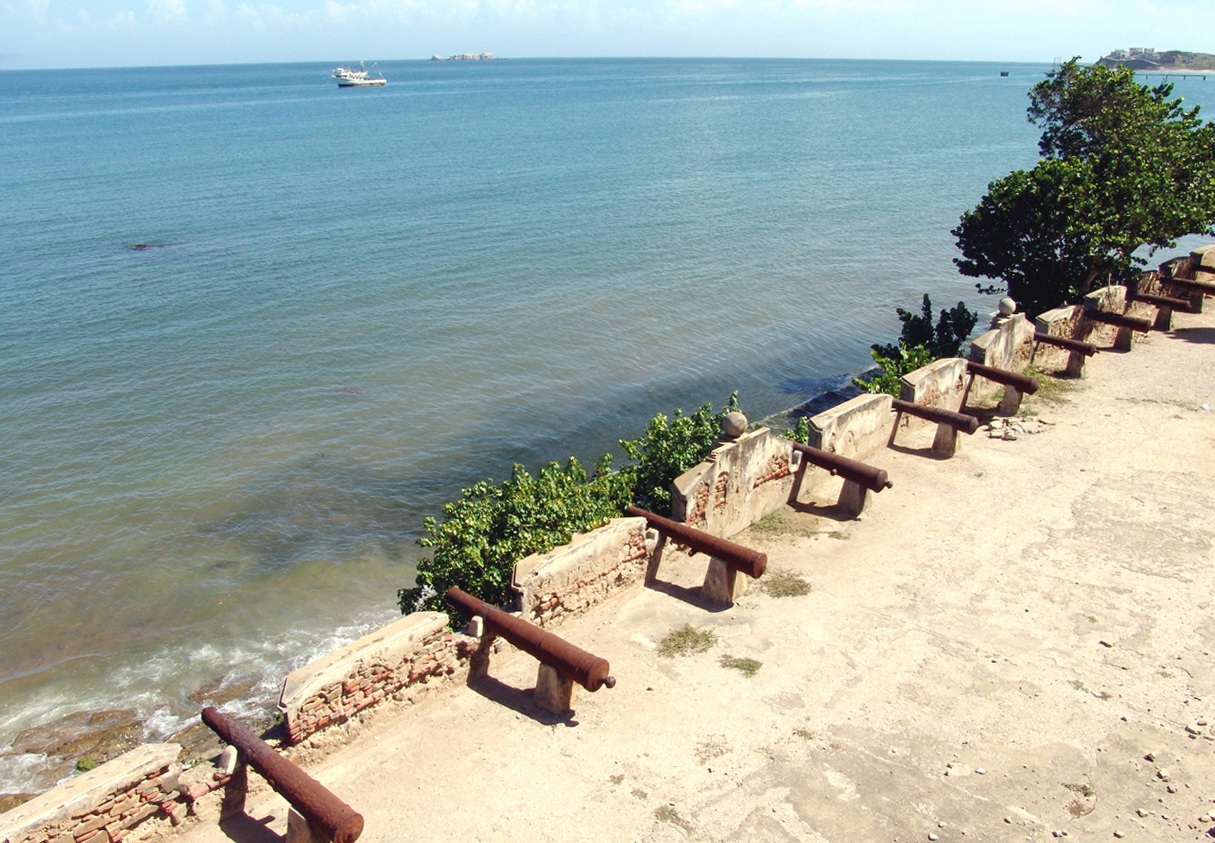
San Carlos is a name shared by many places around the world, from Argentina and Chile to the Philippines and the United States. In Venezuela, the name refers to several distinct locations, including San Carlos in Cojedes, the San Carlos de Borromeo Fortress on Isla Margarita, and San Carlos de Río Negro. Because these are separate destinations, visitors should confirm exactly which San Carlos they are travelling to before planning local transport.
Getting Around the City
Public transport in Venezuelan cities typically combines a metro or rail system with buses, shared taxis, and ride-hailing services. In Caracas, the country's capital and main urban gateway, the transit network is operated by a range of providers, including Metro de Caracas, Metro de Los Teques, the Sistema Ferroviario Central, Metrobús, SITSSA, TransChacao, Bus Vargas, UCAMS, Bus Caracas, and Metrocable. This mix of operators means that a single journey may involve more than one mode, and it is worth checking connections in advance.
Rail, Metro and Tram Network
Caracas is served by a metro system with several lines, and the wider region is linked by suburban rail and a light rail line. The Metro de Caracas and Metro de Los Teques connect the capital with nearby areas, while the Sistema Ferroviario Central provides rail links further afield. A gondola system, Metrocable, extends public transport to hillside neighbourhoods. Service generally starts early in the morning and runs until late at night, so late-evening travel is possible on the main lines.
Buses and Other Public Transport
Buses fill in the gaps left by the rail and metro network, and in Caracas they are operated by several different companies and public bodies. Local bus routes serve residential and commercial streets, with stops often located just a short walk from major roads. Metrobús and Bus Caracas are among the better-known bus services, and TransChacao covers parts of the Chacao district. Fares are typically low and paid on board, though exact payment methods can vary by operator, so carrying small change is a practical precaution.
Taxis and Ride-Hailing
Taxis are widely available in Venezuelan cities and can be hailed on the street or booked by phone. Ride-hailing apps have also become common in larger cities, offering a convenient alternative with upfront pricing. For visitors, using a taxi or ride-hailing service is often the simplest option for trips that are not well served by public transport, particularly at night or when carrying luggage.
Walkability
Walking is a practical way to cover short distances in central areas, where shops, restaurants, and services are often clustered together. However, pavements can be uneven and some neighbourhoods are hilly, so comfortable shoes are advisable. As with any city, it is sensible to stick to well-lit, busy streets and to avoid walking alone after dark in unfamiliar areas.
Getting from the Airport into the City
Venezuela's main international gateway is Maiquetía Airport, which serves Caracas. The airport is located outside the city, and the journey into the centre is typically made by taxi, shared taxi, or an authorised airport transfer service. Some public bus routes also connect the airport area with the city, though these can be slower and less convenient with luggage. Because the airport is some distance from the city, visitors should allow plenty of time for the transfer and agree on the fare before setting off if using a taxi.