Orientation
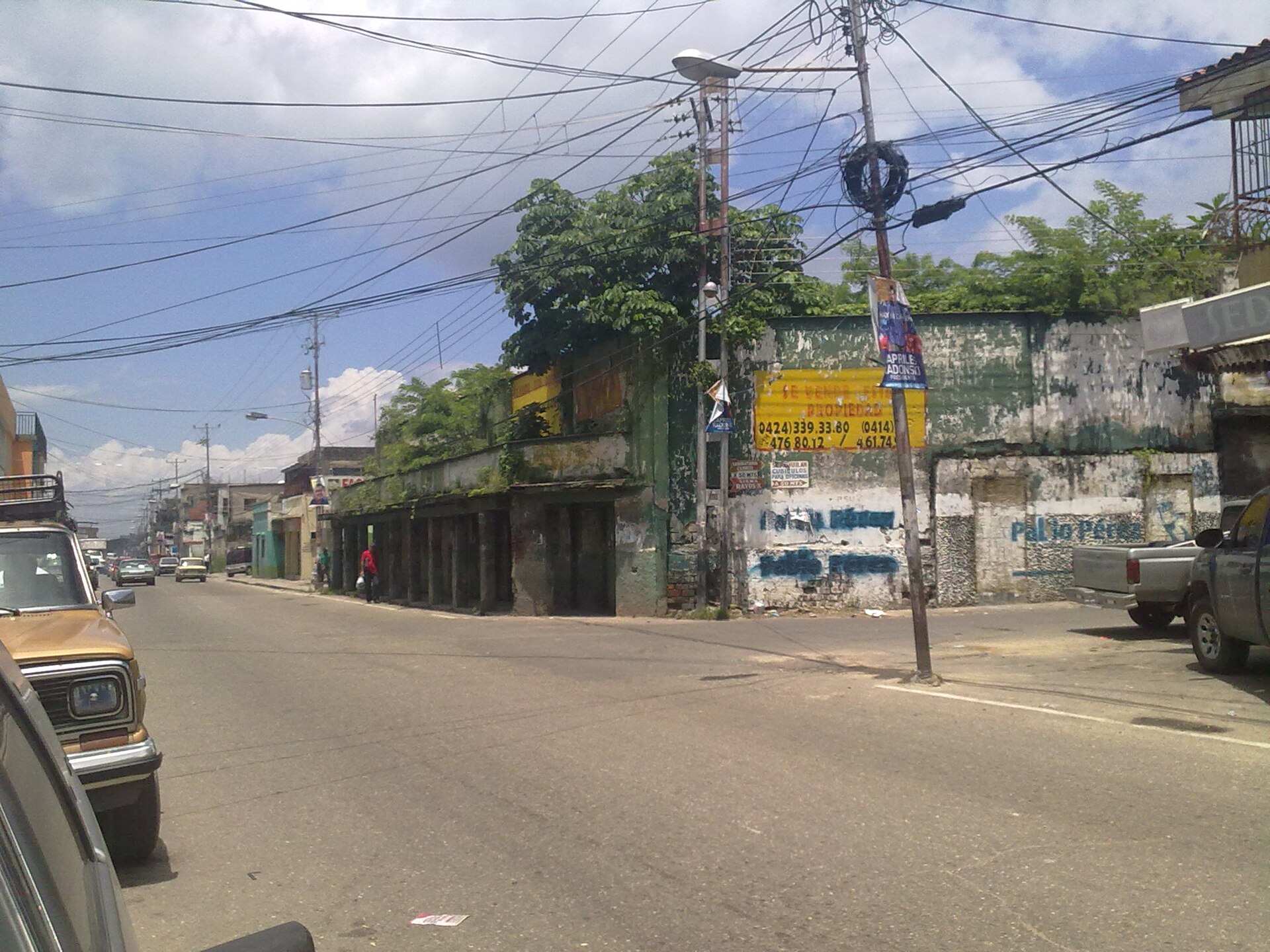
Mariara is a city in Carabobo State, Venezuela, and the shire town (capital) of the Diego Ibarra Municipality. It sits in the country's central-northern region, within reach of larger hubs such as Maracay and Valencia, and it is from those hubs that most visitors will approach the city.
How Visitors Get Around the City
Practical movement around Mariara therefore rests on road-based transport: local buses and por puestos (shared cars), taxis, and walking in the central area.
- On foot: For the city centre and its immediate surroundings, walking is the most straightforward way to cover short errands and reach local services.
- Local buses and por puestos: These are the standard means of covering longer distances within and between nearby towns. Fares are typically paid in cash on board, so carry small notes and coins.
- Taxis: Available for point-to-point trips; agree on the fare before setting off, as metered service is not guaranteed.
Rail, Metro and Tram
The reference material contains no information about a rail, metro, or tram system in Mariara. Visitors should not plan on rail-based transport within the city; ground travel here is by road.
Buses and Other Public Transport
Long-distance bus service is the main public-transport option for reaching Mariara from elsewhere in Venezuela. Note that there is no direct bus from Caracas to Mariara: services require a transfer, typically made via Maracay.
- Route from Caracas: Buses depart from Terminal La Bandera in Caracas bound for Maracay, from where you continue onward to Mariara. The Caracas–Maracay leg takes roughly two hours, and the full journey with the transfer runs a little longer.
- Operator: SITSSA, the state bus company, is listed for this route. It can be contacted on +58 212 242 0110, and its website is sitssa.gob.ve.
- Frequency: Service on this route is listed as once daily, so confirm departure times in advance rather than turning up and hoping for a later bus.
- Tickets and fares: Fares quoted for this route vary widely and inconsistently across listings, so treat any published figure as an estimate only. Verify current schedules and fares directly with SITSSA before you travel.
Taxis and Ride-Hailing
Taxis are a practical option for trips that are awkward on foot or poorly served by buses, and for the final leg into Mariara after arriving by long-distance bus. Settle the price with the driver before departure.
Walkability
Walking works well for the central, built-up part of Mariara, where services and accommodation are clustered. For anything beyond the centre, or for reaching neighbouring towns, you will need a bus, por puesto, or taxi.
Getting from the Airport into the City
The reference material does not describe an airport serving Mariara directly, nor a dedicated airport-to-city transfer. In practice, international visitors arrive through Venezuela's major gateway airports and continue overland. The documented overland approach is by road from Caracas:
- By bus: Take a SITSSA service from Terminal La Bandera in Caracas toward Maracay, then transfer onward to Mariara. There is no direct Caracas–Mariara bus, and this route runs only once daily, so book or confirm ahead.
- By car: Driving the roughly 75-mile road route from Caracas takes about two hours. A private car or taxi is the most flexible option if you are arriving with luggage or at an awkward hour.
Where to Stay
Accommodation near Mariara is limited, and the practical options are concentrated in nearby Maracay. Properties listed in the area include the Marriott Maracay Golf Resort, Hesperia Maracay, Hotel WLADIMIR, and Alojamiento Privado La Soledad. Basing yourself in Maracay also puts you on the main bus corridor, which simplifies onward travel to Mariara.
Practical Tips
- Carry cash in small denominations for buses, por puestos, and taxis.
- Confirm SITSSA schedules and fares directly before relying on the once-daily Caracas–Maracay service.
- Build in time for the transfer at Maracay when travelling from Caracas.
- Agree taxi fares before you set off.
- Expect to walk for short central trips and to use road transport for everything else.