Getting Around Poltava
Poltava is a compact, walkable city, and most visitors find they can cover the historic centre on foot while using public transport or taxis for longer hops. The city sits on the Vorskla River, and its layout means some parts — especially the low-lying Podol district down by the river — involve real changes in elevation. Most city transport runs from around 06:00 to 22:00 on major routes, with suburban routes stopping earlier, around 20:00–21:00. Outside those hours, a taxi is your only practical option.
Walking
Poltava is small enough that walking is a genuinely viable way to get around. You can cross the city from one edge to the other on foot in roughly an hour and a half, and within the downtown and historical centre, any destination is about a 30-minute walk away. If you know your way around the centre, you may not need transport at all.
A few cautions are worth keeping in mind:
- Avoid walking to distant suburbs if you don't know the route or if it's late evening or night.
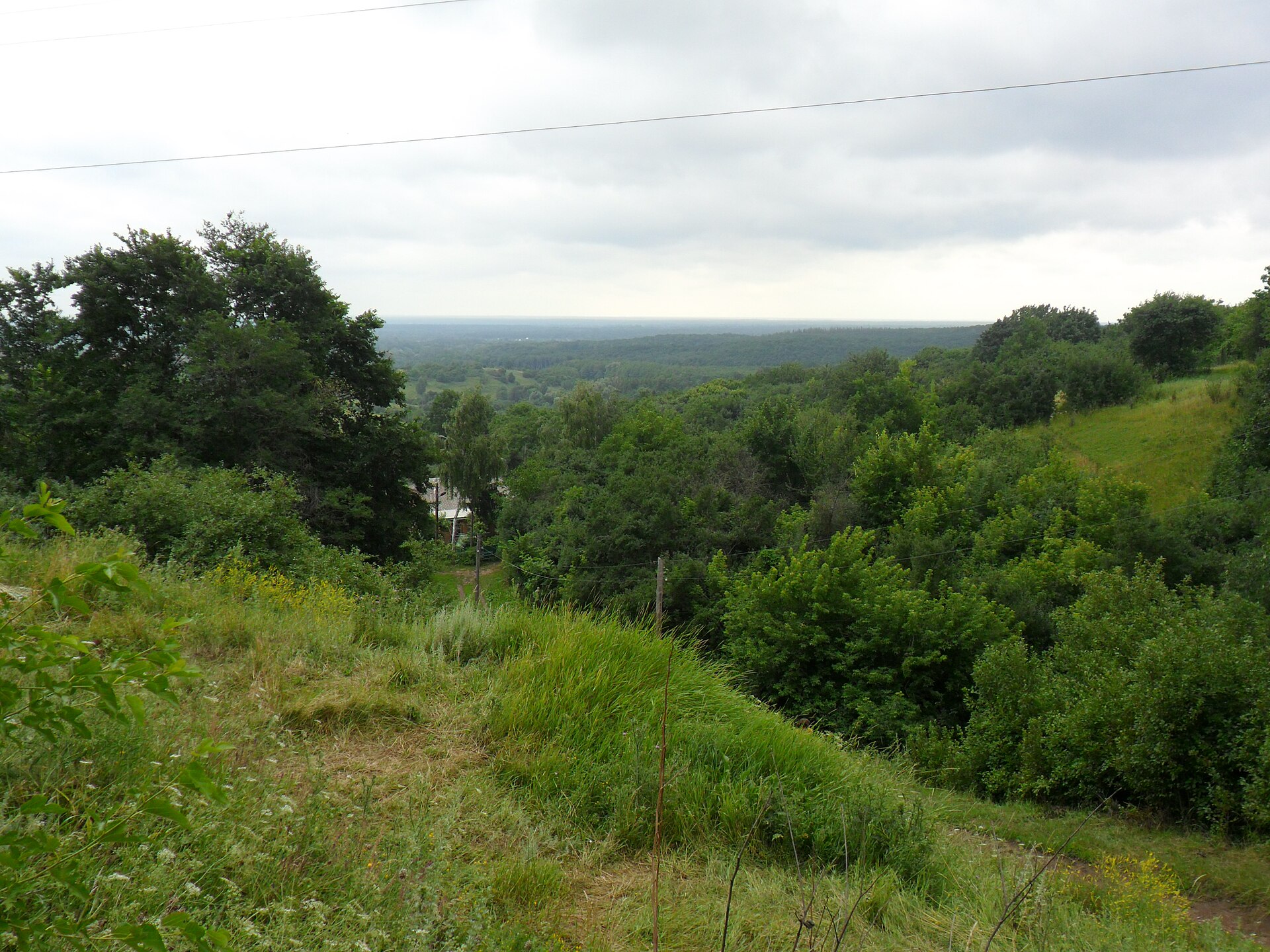
- The Lower City (Podol/Podil) near the Vorskla River and the Pivdenna railway station sits at a low elevation, so walking up to the station can be very tiring.
Trolleybuses
Trolleybuses are the cheapest form of public transport in the city, but they are also slow, often crowded, and sometimes delayed. You pay a single fixed fare per trip to a conductor, who will come around shortly after you board — the price is the same no matter how far you travel within the city limits.
Two routes are especially useful for visitors:
- Route 1 runs directly between the city's two railway stations, Kyivsky and Pivdenny vokzal.
- Route 15 (the "Kiltsevyi," or ring route) circles the city, connecting the downtown with the main residential districts and the Avtovokzal bus station.
Trolleybuses are also one of the options connecting the Pivdenny railway station with the centre.
Buses and Marshrutkas
Buses and marshrutkas (small minivans) fill in the rest of the network. Buses are the larger vehicles, and you pay a conductor; marshrutkas are minivans where you pay the driver directly. As with trolleybuses, fares are a single fixed price per trip regardless of distance within the city limits. Larger buses (MAN, Volvo and similar) generally offer the best level of service.
Ring routes — numbered 19, 20 and 21 and known as "Kiltsevyi" — run clockwise and counterclockwise around the city, linking the downtown, the main residential districts and the Avtovokzal bus station. Entering or leaving a marshrutka outside official stops is sometimes possible but is prohibited by law.
Be aware of timing. Rush hours are roughly 06:00–09:00 and 17:00–18:00, and on suburban routes vehicles may be full throughout the day. On crowded routes you can lose up to an hour, and serious delays are likely on suburban routes and around holidays or celebrations. Schedules are available on rozklad.in.ua (in Ukrainian), and you can also check public transport information on EasyWay and Google Maps.
Taxis and Ride-Hailing
Taxis are the easiest way to get around the city, and they're the recommended option outside public transport hours. Ordering by phone or app is preferable to hailing on the street — it's safer, the service is better, and it may be cheaper. When your car arrives, verify the phone number and car number displayed on the vehicle to distinguish a licensed taxi from an unlicensed driver.
Popular services include:
- Bolt
- Uklon
- OnTaxi
- Opti
- Shark
Getting In: Rail, Bus and Car
Train and bus are the only reasonable ways to reach Poltava unless you have your own car, and ticket prices for the two are roughly equal.
By train. Four railway lines leave the city — to the west, east, south and southeast — and there are usually a few trains per day to any given destination. Check the Ukrzaliznytsia (Ukrainian railways) website for timetables and ticket prices. Poltava has two stations: Kyivsky vokzal (Poltava-Kyivska) on Stepana Kondratenka Street, and Pivdenny vokzal (Poltava-Pivdenna, also called the Southern Station) on Slavy Square. Watch your timetable and ticket carefully, because a train may stop at only one of the two stations, or at both. It's a good idea to buy tickets for your onward train immediately on arrival if you haven't bought them in advance. Both stations are well connected to city transport (bus and trolleybus), but between 22:00 and 06:00 a taxi is the only option.
By bus. The city bus station (Avtostantsiya) on Shevchenka Street is connected to municipal bus and trolleybus routes; between 22:00 and 06:00 you'd need a taxi. The inter-city bus station (Avtovokzal) on Velikotirnivska Street lies east of the centre. Buy your ticket at the bus station and keep it with you, as ticket control is possible. Bus connections with other cities are good, especially along the E40 road, since Poltava sits midway between Kyiv and Kharkiv; buses on these routes usually run every hour or so. Several carriers operate, ranging from more comfortable services to cheaper, less comfortable buses, plus shuttle minibuses (Mercedes Sprinter or similar) that are faster but mid-range in comfort. You can find these minibuses at the railway stations, or better, reserve a place by phone using advertisements at the bus or train station, optionally a day or more in advance. Arrive at least 10–15 minutes before departure, because your reservation may be cancelled; you then pay the driver directly, and he writes down your surname, as tickets are usually not provided.
By car. Poltava has good road connections in most directions: west and east along the E40 (to Kyiv and Kharkiv), southwest along the E577 to Kremenchuk, north to Hadyach, northeast to Kotel'va and the Russian boundary, and southeast to Krasnograd, where you connect with the E105. Roads vary in quality, so stick to the main routes and be careful not to exceed speed limits, as some sections are hazardous. Avoid minor roads unless you know they're in good condition, or you may hit bad road quality or get lost in a rural area.
Getting In: By Air
Due to the Russia–Ukraine war, Ukraine's airspace is closed to civil aviation, so there is currently no airport option for reaching Poltava. Plan to arrive by train or bus instead.
Practical Tips
- Have an acquaintance with a bilingual local person if you can — they can advise on how and where to get around. If you don't, you can ask for help at the local English-speaking message board en.poltavaforum.com.
- On crowded routes you may not get a seat, and during rush hours or on suburban routes you can lose significant time to full vehicles.
- In trolleybuses, buses and marshrutkas you pay one fixed price per trip per vehicle, no matter how far you go within the city limits.