Getting Around Donetsk: A Practical Guide
Donetsk is a large industrial city in eastern Ukraine, sitting on the Kalmius River and forming part of a wider urban sprawl with neighbouring Makiivka and other surrounding towns. Before planning any travel here, visitors should understand the current situation: since 2014 the city and its surrounding areas have been one of the major sites of fighting in the ongoing Russo-Ukrainian War, and the city has been administered by pro-Russian separatist forces as the centre of the self-proclaimed Donetsk People's Republic. As of June 2026, Russia has full control of the city, with Ukrainian and Russian forces still in combat near it. Travel to Donetsk is therefore not comparable to ordinary tourism in a stable peacetime city, and conditions on the ground can change quickly.
How Visitors Move Around the City
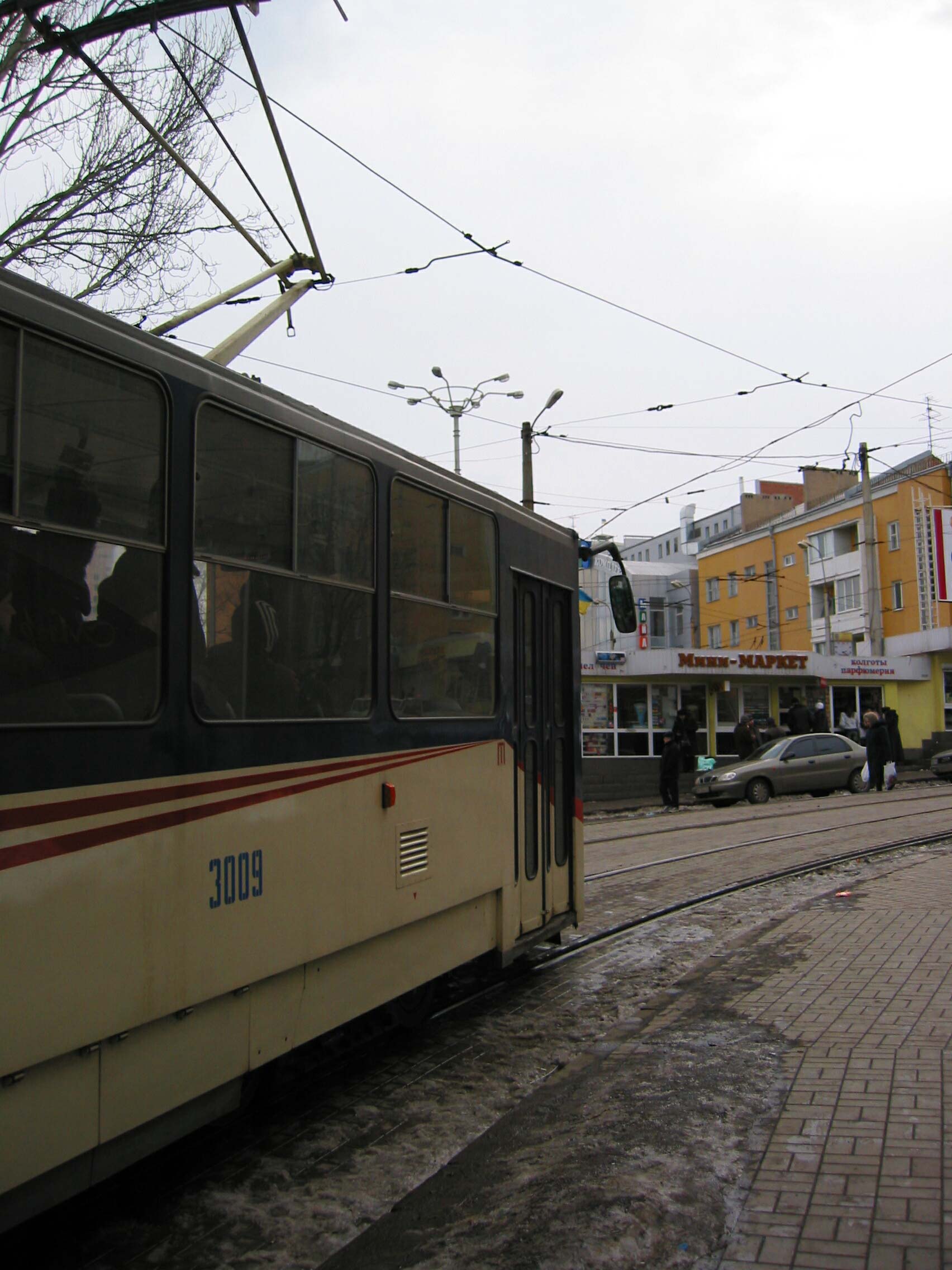
For getting around Donetsk itself, public transport is the cheapest option, though it can be crowded. Be prepared to stand for much of your journey, and expect that you may have to push your way toward the doors when you want to get out. The network is made up of four main types of vehicle: the trolleybus, the bus, the tram, and the minibuses known as marshrutki.
Trams and buses are the workhorses of the system. They will get you just about anywhere in the city for a fixed price, no matter how long you stay on board, and they stop at every stop along their route. Tickets are bought from the conductor, who is on board every tram and bus. One of the many depots is located at the central market.
Trams, Trolleybuses and the Rail Station
The tram and trolleybus lines are useful for reaching key destinations, including the main railway station. Trams and trolleybuses serve the stop at the railway station, and the station itself sits on Pryvokzalna Square. If you need the commuter train station, go out to the first platform and turn right; it is a short walk from there.
On the rail side, Donetsk has also been served by long-distance trains, including a direct service running once or twice a week from Almaty in Kazakhstan via Atyrau and Volgograd. Be aware that this route requires at least a Russian transit visa, which is generally quite expensive. Note that Donetsk International Airport was destroyed in the war in 2014, so it is not an arrival option.
Buses and Bus Stations
The city has a large number of bus stations serving both local and suburban routes, and knowing which one you need matters. The main one is Pivdennyi (Main) Bus Station on Kommunarov Square, which is also reachable by bus, minibus, trolleybus and tram. A short distance south of it — roughly a few minutes on foot — is Tsentr Bus Station on Pervomaiskaya Street, which handles local transport.
Other stations are spread around the city and its edges. Zaliznychnyi vokzal Bus Station sits at the railway station, north of the centre, and also serves local transport. Zakhidnyi (North) Bus Station lies to the northwest and acts as a secondary main station. Krytyi rynok Bus Station is in the centre and handles suburban buses, while Velyka Mahistralna, Motel, Pintera, Shyrokyi and Shchetinina stations mostly serve suburban or local routes in various parts of the city. If you are heading out of the city, check which station your route departs from before setting off.
Minibuses (Marshrutki)
Minibuses, called marshrutka in the singular and marshrutki in the plural, are operated by non-municipal companies and can be found throughout the city. Think of them as faster, smaller versions of the buses. The key difference for a visitor is that they stop on request: if you are on board, you must call out to the driver that you want to get off at the next stop, and if you are waiting for one, you must flag it down. Depending on the driver, these can get very crowded.
Taxis and Ride-Hailing
Most tourists find the taxi to be their best option. Cabs are on every corner and are relatively cheap. There are numerous dispatch taxi services — for example, numbers such as 381-0000 or 0-67 — and you can keep an eye out for more, since they are usually printed in large font on the side of the cab.
A useful tip: on your first ride, ask the driver whether he would be willing to drive you around on a regular basis. Drivers are usually delighted to do so, and will give you either their dispatch ID number (pozivnoi) or their mobile phone number so you can call them directly. That way you can effectively have a chauffeur for the duration of your stay.
Walkability
Donetsk is a substantial city with a dense core, and its central districts — including the area around the main bus stations and the central market — are laid out in a way that makes walking between nearby points practical. The city's British origins are reflected in its layout and architecture, and the main district of the old settlement is still named English Colony. That said, the city is large and spread out, and the wider conurbation with Makiivka and other surrounding cities means that many destinations are simply too far to cover on foot. For anything beyond the immediate centre, plan on using public transport or a taxi.
Buying Tickets and Passes
On trams and buses, tickets are purchased from the conductor on board, and the fare covers you for as long as you remain on the vehicle. For longer-distance or intercity travel, there are also dedicated ticket desks and travel agencies around the city where you can buy transport tickets, including Pilot Travel Agency on Shevchenko Boulevard, Halopom po Yevropakh on Cheliuskintsev Street, Poehali s nami on Oreshkova Lane, Roial Voiazh (Royal Voyage) on Artema Street, and TASS Travel on Artema Street in the centre.
Getting Into the City from the Airport
Donetsk International Airport was destroyed in the war in 2014, and it became the epicentre of the conflict that year during an almost year-long battle. It is therefore not a functioning arrival point, and there is no airport transfer to describe. Visitors should expect to reach the city by other means — overland by car, bus or rail — and should plan their onward local transport from the relevant bus station or the railway station once they arrive.