Getting Around Mtwara
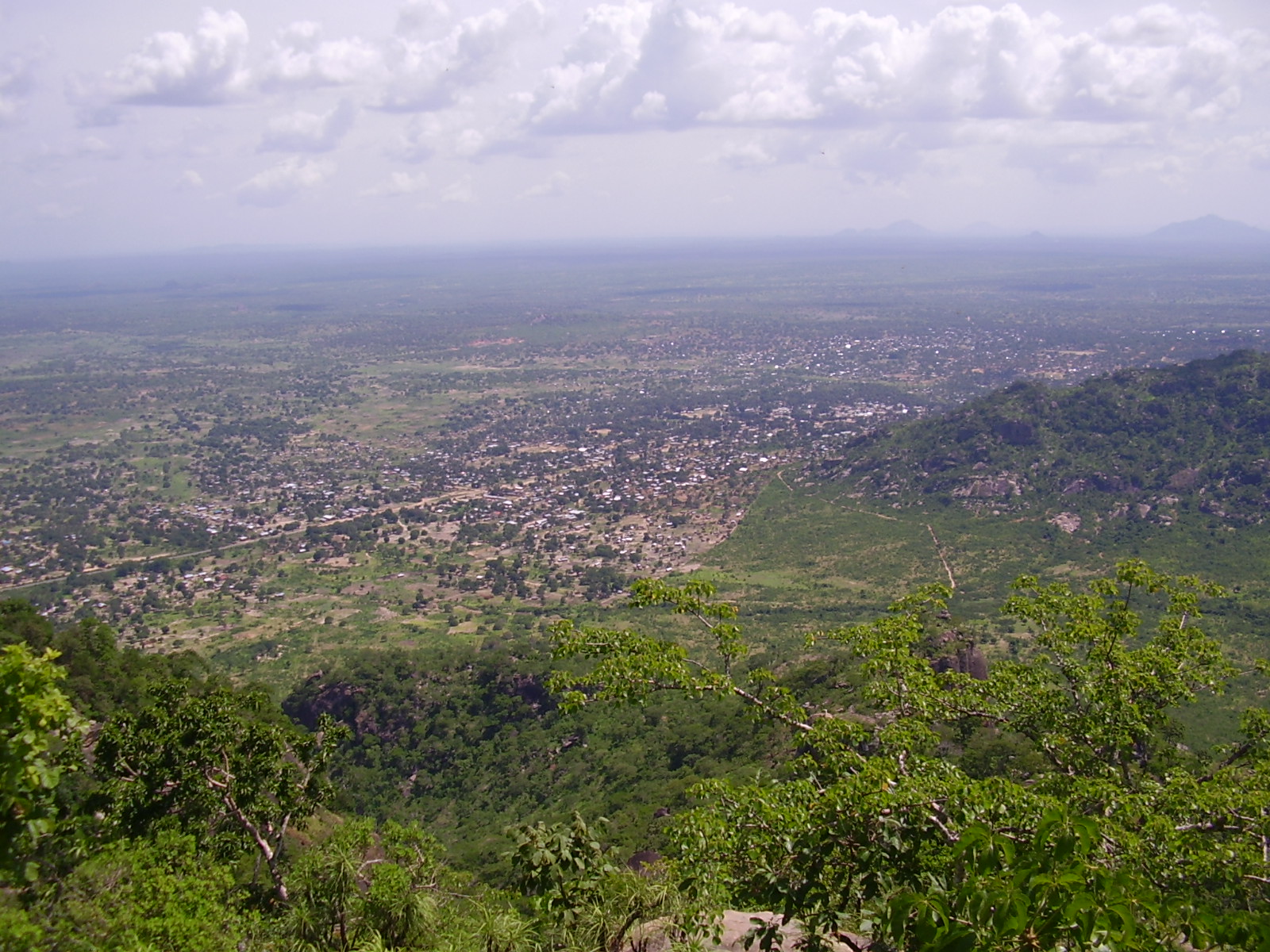
Mtwara was planned in the 1940s as a major town and export hub for the Tanganyika groundnut scheme, but when the scheme collapsed the town was never fully finished. The result is a city spread out over a large area, which means getting between places can involve a fair amount of walking. Fortunately, a mix of bicycles, taxis, three-wheelers and motorbike taxis fills the gaps.
Rail, Metro and Trams
Mtwara has no rail, metro or tram network for visitors to use. A railway linking Mtwara with Lindi and the mines at Mchuchuma and Liganga via Songea has been proposed, and proposals for transporting coal by rail to the port date back to the early 2000s as part of the Mtwara Development Corridor project, but these remain plans rather than operating services. For practical purposes, you should plan your movements around road transport.
Buses and Public Transport
Mtwara has reasonable transport links for its remote location in southern Tanzania. It is connected by paved roads with Dar es Salaam and Lindi to the north, and with Masasi inland, plus partially paved roads to Newala to the west. Beyond Masasi the road is newly paved towards Songea via Tunduru and Namtumbo, and on to the Unity Bridge crossing into Mozambique.
For longer journeys, several bus companies run daily services between Mtwara and Dar es Salaam, and regular buses connect with Masasi, the biggest town inland. Regional connections work like this:
- From Lindi: buses run throughout the morning. In the afternoon you can make the journey by first taking a bus to Mnazi Mmoja (Mingoyo), then catching an onward bus from there.
- From Masasi: buses run throughout the day, with the last one leaving around mid-afternoon.
- From Newala: there is a bus in the morning; after that, pickups run throughout the day, though they can be packed and the dirt road makes for a rough ride.
- From Mozambique: pickups meet the public transport arriving on the other side of the border.
If you are arriving by long-distance bus, a few practical tips help. Bus companies operating the Dar es Salaam route change regularly, so ask locally before you commit. Choose a bus with four seats in a row rather than five, which can be pretty cramped, and avoid sitting in the back half of the bus during unpaved sections of the journey. During the rainy season parts of the road can flood; it is usually still passable, but this can add significantly to your travel time.
Taxis, Bajajis and Pikipikis
Around town you have three main options beyond walking: taxis, tuk-tuks (three-wheeled vehicles known as bajaji in Swahili), and motorbike taxis (pikipiki in Swahili). All are available around town. As a rough guide to fares, expect to pay a few thousand Tanzanian shillings for a taxi journey about town, less for a bajaji, and around a thousand shillings for a motorbike taxi. Agree your fare before you set off.
Walking and Bicycles
Because Mtwara was laid out on a generous plan that was never completed, the town is spread out and you may find yourself with a bit of a walk between places. Many of the roads within the city have never been sealed, though new roads of a good standard were being built within the city in 2013. Bicycles are a great way to get around town and can be hired from the market for a modest daily rate.
Getting from the Airport into the City
Mtwara has an airport with a new paved runway that can accommodate medium-sized passenger jets up to Boeing 737 and Airbus aircraft, and current improvements make landing possible in the day, at night, or in mist. Precision Air runs a daily morning flight between Mtwara Airport and Dar es Salaam, and Air Tanzania offers a flight in the afternoon; the flight time is around an hour. Note that Precision Air's timetable has been described as erratic, so confirm your flight before relying on it. Charter and private flights to remote airstrips can also be arranged through lodges.
Once you land, the same local transport that serves the town — taxis, bajajis and motorbike taxis — is your means of reaching the city centre. Arrange your onward transport on arrival and agree the fare in advance.
Arriving by Sea
Mtwara's deep-water port, built as part of the groundnut scheme, can accommodate ocean-going vessels, and recent improvements have made it possible for big container ships to berth there. The port is primarily a cargo facility rather than a visitor gateway, so most travellers will arrive by road or air.
Practical Notes
- Mtwara serves as the access point for the small but growing tourism industry based in nearby Mikindani, so local transport links are useful for day trips there.
- Tanzania is generally peaceful, but take the usual precautions against pickpockets and handbag snatchers, and keep valuables in your hotel safe.
- The climate is hot and humid for much of the year, with a rainy season roughly from November to April/May — worth factoring into any plans that involve unpaved roads.