Orientation
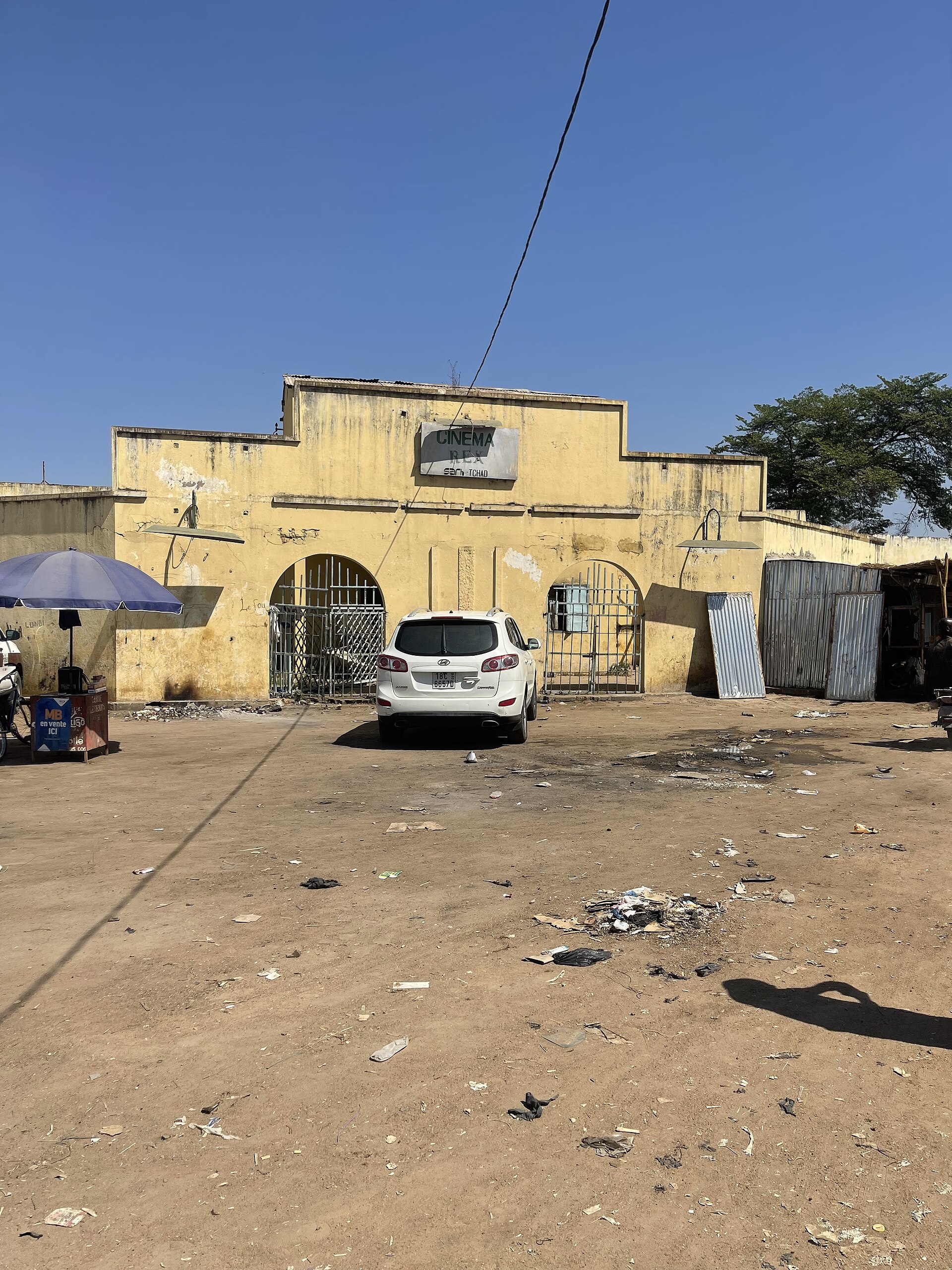
Sarh is Chad's third-largest city, the capital of the Moyen-Chari Region, and sits on the Chari River in the country's south. It functions as a regional transport hub and is served by Sarh Airport (airport code SRH). The city centre is anchored by the open-air Marché central de Sarh, which sells fresh fish, cotton, fruit and textiles, and the city is also home to a cathedral, the Grande Mosquée de Sarh and the Sarh National Museum.
How visitors get around the city
Sarh has no formal urban transit system of the kind you would find in a large capital. As across Chad generally, day-to-day movement in cities relies on informal transport: shared taxis, motorcycle taxis (often called "clando") and minibuses. For a visitor, this means getting around is a matter of flagging down vehicles or picking them up at recognised stopping points rather than consulting a route map or timetable.
Practical points that apply to informal transport in Chad:
- Fares are cash-only. Drivers rarely carry change, so keep small denominations on hand.
- There are no contactless payment options and no standard transit passes sold to visitors.
- Shared taxis and minibuses generally wait until full before departing, so journey times can be unpredictable.
Rail, metro and tram
Sarh has no rail, metro or tram network for visitors to use. The city's rail connection is historical only: it was founded as Fort Archambault for returnees from the labour camps associated with construction of the Congo-Ocean Railway, but no passenger rail service is described as serving the city today. Plan on road-based transport for all local movement.
Buses and other public transport
Within Sarh, minibuses form part of the informal transport mix alongside shared taxis and motorcycle taxis. There is no formal urban bus network with published routes, stops or tickets.
For travel between cities, coach-style intercity buses have expanded in Chad in recent years; some services are air-conditioned and are considered more reliable than shared taxis. As an indication of cost, a widely used francophone Chad transport guide cites a fare of around 15,000 XAF (roughly US$24) for the N'Djamena–Sarh route, reflecting prices reported in recent years. Buses are generally more comfortable and predictable than shared taxis and minibuses, and booking ahead and travelling by day are recommended.
Shared taxis and minibuses for intercity trips depart from "parcs-voitures" on the outskirts of cities, positioned in the direction of their destination. They fill up and leave faster than buses but are crowded and keep no strict timetables. Road conditions outside the major corridors are rough, especially in the rainy season, and night driving is discouraged.
Taxis and ride-hailing
Taxis in Chad operate informally and on a cash basis. Global ride-hailing apps such as Uber, Bolt and Grab are not widely available in the country.
Walkability
What it does indicate is a compact, market-centred city: the Marché central is an open-air market in the city centre, and small workshops specialising in wood carving, weaving and arts and crafts can be found around the city. Central areas are therefore plausibly navigable on foot for short errands, but visitors should be prepared for heat year-round — average highs are around 35 °C (95 °F) annually, and March, just before the wet season, is the hottest period — and for heavy rain between roughly November and March being absent but August being very wet, with humidity far higher in the wet season than the dry season.
Getting from Sarh Airport into the city
Sarh Airport (SRH) serves the city, and the city is described as a major transport hub. As a general guide for Chad, the comparable figure cited for N'Djamena's airport–city taxi run is roughly 10,000–15,000 XAF (about US$15–25) in recent years, with older sources citing 5,000–12,000 XAF. Expect to pay in cash, to negotiate the fare before departure, and to have small notes ready, since drivers rarely have change. Domestic flights within Chad exist on some routes but are limited, often cost more than US$100, and schedules change frequently — worth bearing in mind if you are connecting onward by air rather than by road.