Getting Around Malakal
Malakal is the capital of Upper Nile State in South Sudan, sitting on the banks of the White Nile just north of its confluence with the Sobat River. It has been a garrison town and, more recently, a battleground during the country's civil war, and it was reported to have been utterly destroyed in the process. That history shapes everything about how a visitor moves around: infrastructure is thin, and the practical options are limited. Plan your movements around a small set of reliable choices rather than expecting a full urban transport network.
Is There a Rail, Metro or Tram Network?
No. There is no rail, metro or tram system serving Malakal. The city has no urban rail of any kind, and none of the sources describing the city's transportation mention trains, trams or underground lines. Any itinerary that assumes you can move around Malakal by rail is not workable.
Buses and Public Transport
There is no described public bus network, scheduled city bus service, or formal public transport system in Malakal. The sources on transportation focus instead on roads, air and river links. In practice this means you should not count on finding a bus stop, a route map, a timetable or a transit pass. If you need to move around, arrange your transport in advance through whoever is hosting you rather than turning up and expecting to flag down a service.
Taxis and Ride-Hailing
You should not assume that app-based ride-hailing works here, and you should not expect a conventional taxi rank. The realistic approach is to arrange any vehicle through a trusted local contact, an organisation, or your accommodation, and to agree the arrangement before you travel rather than on arrival.
Walkability
Walking is the one mode you can generally rely on for short distances, but conditions are difficult. Malakal has a hot semi-arid climate with a wet season and a dry season and hot temperatures year-round. The hottest stretch runs from February to May, just before the wet season, with April the hottest month; the wet season brings high humidity, peaking in August. Rain is concentrated in the wet months, with almost no rain from November to March. Between the heat, the humidity and the mud of the rainy season, walking is best kept to short trips and timed for the cooler parts of the day.
Getting In from Malakal Airport
Malakal is served by Malakal International Airport, one of South Sudan's two international airports, the other being Juba International Airport. Historically it handled international flights from Addis Ababa and Khartoum, along with a domestic route from Juba that was often fully booked, so early reservations were advised. Later, the airport became inaccessible for long periods because of fighting; as of 2016 the airfield was functional and reachable by United Nations charter flights and military supply planes.
Because the airport's commercial service has been disrupted and at times limited to UN and military operations, do not assume you can simply land and pick up a taxi into town. Confirm in advance how you will be met, and treat your arrival transfer as something to be arranged ahead of time through your host, employer or organisation rather than something to sort out on the tarmac.
Other Ways In and Out
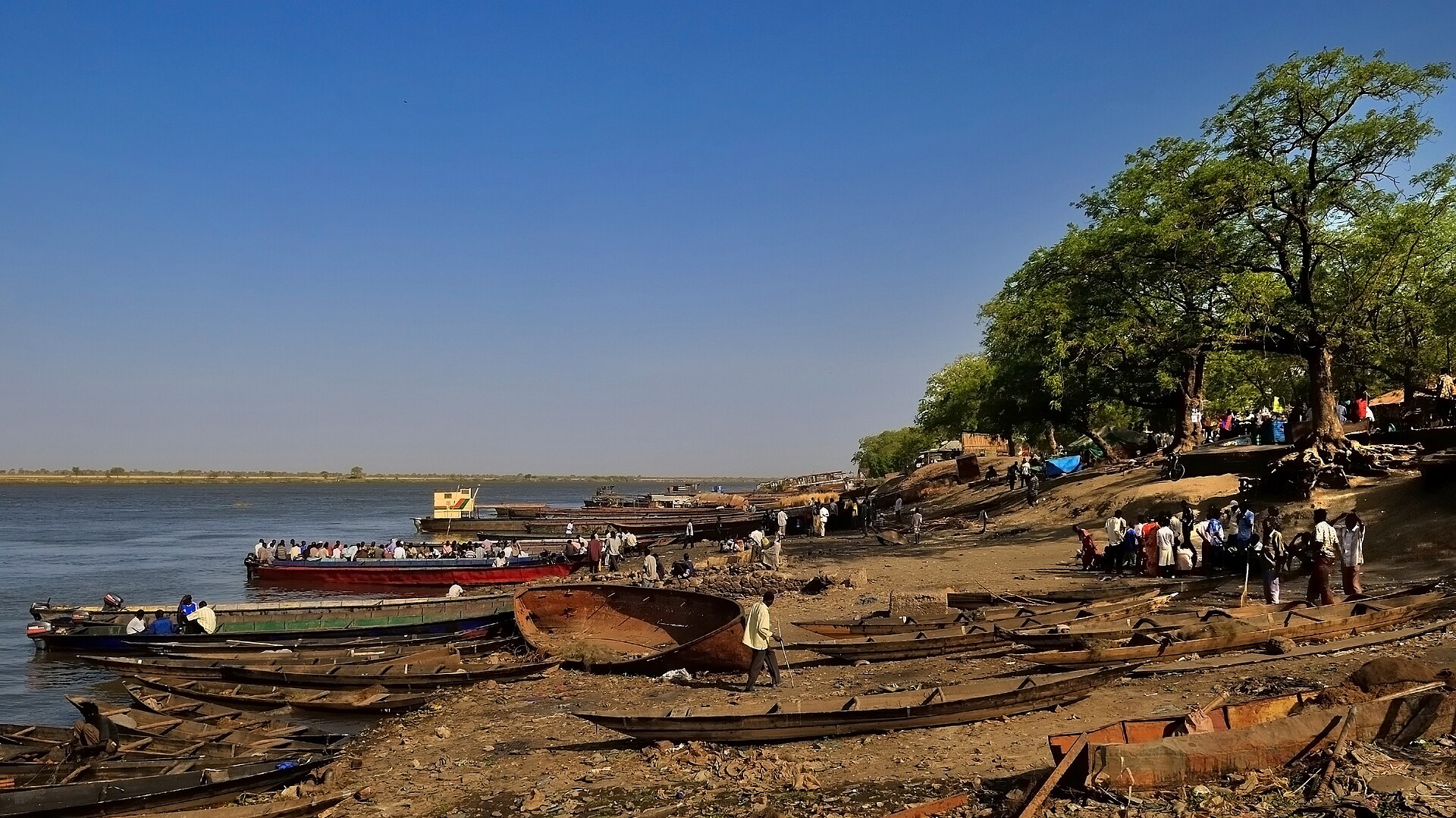
- By boat: Barges have long travelled the White Nile, and boats were a primary means of transportation, carrying passengers with travel times that varied widely. Water traffic on the White Nile can reach as far north as Khartoum in Sudan and as far south as Adok in Lakes State.
- By road: Before the conflict, roads in South Sudan ranged from bad to non-existent, and during the rainy season all roads into Malakal became unusable for ordinary vehicles. A major road linking Malakal with Kurmuk on the Ethiopian border was under repair and renovation to an asphalt surface. The situation has since worsened after the conflict, and little usable infrastructure remains.
Practical Takeaways
- Do not plan on rail, metro, tram, city buses or ride-hailing apps. None are described as operating in Malakal.
- Arrange every vehicle through a trusted local contact or organisation, and confirm it before you need it.
- Walk only for short trips, and avoid the hottest hours and the worst of the wet season.
- Treat your airport transfer as pre-arranged, given that commercial service has been disrupted and the airfield has at times been limited to UN and military flights.
- Expect road travel to be severely constrained, especially in the rainy season, and consider river transport as an alternative where it is running.