Getting Around Baidoa: A Practical Guide
Baidoa is the largest city of the South West State of Somalia and the main hub of the country's inter-riverine region. It sits at the centre of one of the most densely populated areas in the nation and is an ethnically and culturally diverse town, with many residents who have come from other parts of the country. For a visitor, that diversity is useful context: the city is a busy regional centre rather than a purpose-built tourist destination, and getting around reflects that.
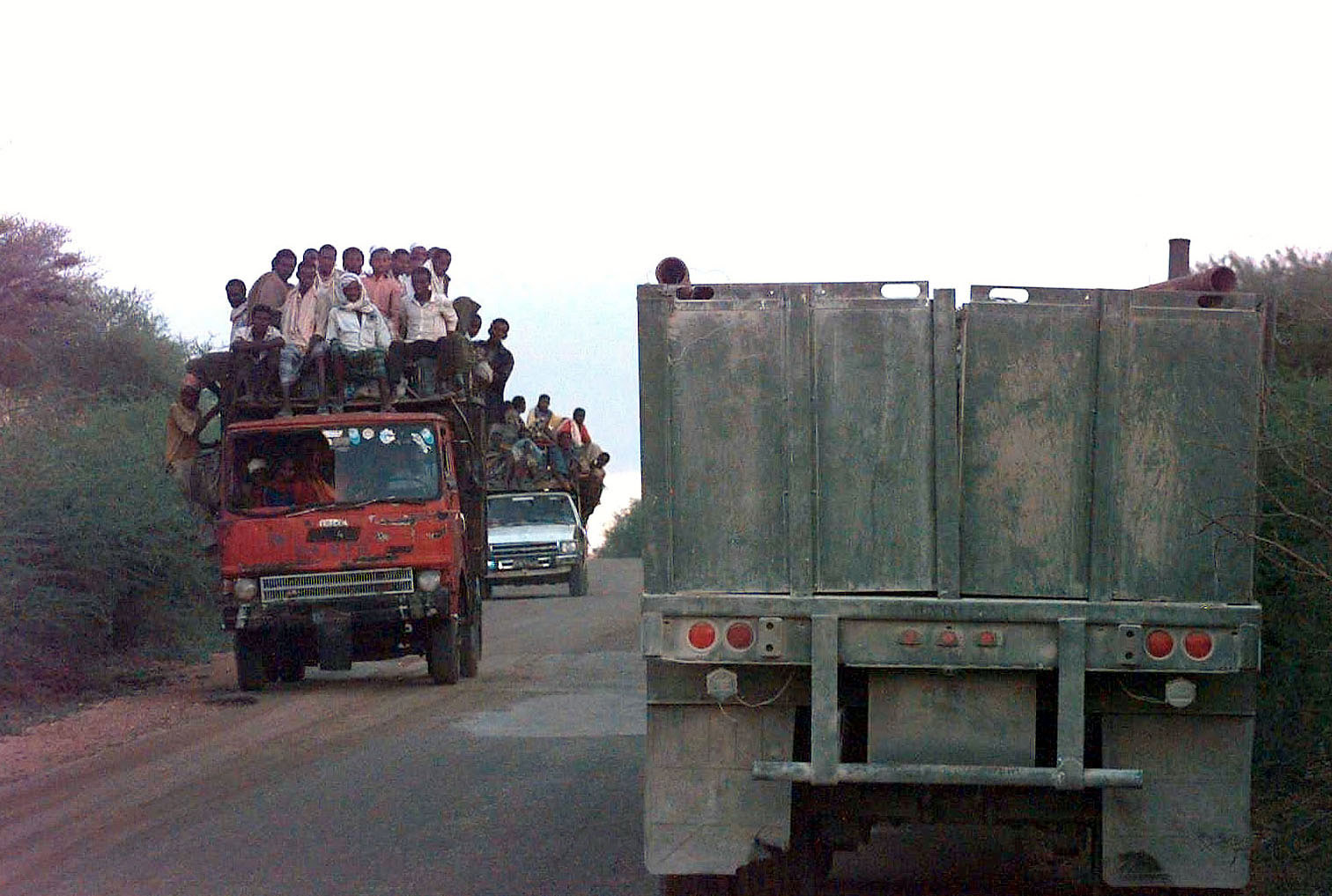
One practical point to settle before you plan any movement at all: as of 2022, the roads into Baidoa were blocked by Al-Shabaab militants. That means the practical question for most visitors is not how to travel between cities, but how to move around once you are already in Baidoa, and how to reach the city by air.
How Tourists Move Around the City
Baidoa has no dedicated tourist transport infrastructure. There is no visitor-oriented network of sightseeing buses, shuttle routes or organised transfers described for the city, and the practical assumption is that you will arrange your own movement locally, most likely with the help of whoever is hosting or accompanying you. Because road access to the city has been blocked, the flow of outside visitors is limited, and transport services are geared to residents rather than to tourists.
Given that, the most useful thing a visitor can do is treat local movement as something to organise in advance through a trusted local contact, rather than something to improvise on arrival.
Rail, Metro and Tram
There is no rail, metro or tram network in Baidoa. No such services are described for the city, and none should be expected. Any itinerary that assumes train, metro or tram travel within Baidoa is not workable.
Buses and Other Public Transport
No formal bus network, route system, ticket scheme or travel pass is described for Baidoa. There is no published information on scheduled public transport within the city, and no fare structure or pass that a visitor could buy in advance.
In practice this means you should not plan around catching a scheduled bus or purchasing a transit pass. If you need to move around the city, arrange it directly rather than relying on a public transport system that is not documented.
Taxis and Ride-Hailing
No taxi service, ride-hailing app or comparable on-demand transport option is described for Baidoa. There is no information on metered fares, app-based booking or designated taxi ranks. Visitors should therefore not assume that a taxi can be flagged on the street or summoned by phone in the way it might be in a larger city elsewhere.
The realistic approach is to have your transport arranged by a local host, guide or organisation before you need it, rather than expecting to find a vehicle on demand.
Walkability
No specific information is available on the walkability of Baidoa, and the source material does not describe pedestrian infrastructure, footpaths or safe walking routes. What can be said is that the city is a large and spread-out regional centre at the heart of a densely populated area, so distances within it are not trivial.
Walking may be feasible for short local movements depending on where you are staying and what you need to reach, but you should confirm conditions locally rather than assuming a walkable layout. Given the security situation that has blocked road access to the city, movement on foot should be planned with local advice.
Getting from the Airport into the City
Baidoa is served by Shatigadud International Airport (IATA code BIB). This is the practical gateway to the city, and it is the one transport link a visitor can genuinely plan around.
- Who flies there: Jubba Airways operates flights from Mogadishu to Baidoa.
- Why it matters: With the roads to Baidoa blocked as of 2022, flying is the realistic way in. Arriving by air from Mogadishu is the option to build your trip around.
- Onward transfer: The source material does not describe any airport shuttle, bus link or taxi rank at the airport. You should arrange your onward transport into the city in advance through your host or local contact rather than expecting to find a service waiting on arrival.
Because no ground transport from the airport is documented, the safest plan is to treat the airport-to-city leg as something to pre-arrange, exactly as you would the rest of your local movement in Baidoa.
Putting It Together
Baidoa is reachable by air from Mogadishu via Jubba Airways into Shatigadud International Airport, and that air link is the backbone of any visit. Once you are in the city, there is no rail, metro, tram, documented bus network, or described taxi and ride-hailing service to fall back on. Movement is arranged locally, and the sensible visitor plans every leg in advance with a trusted local contact rather than relying on public transport that is not there.