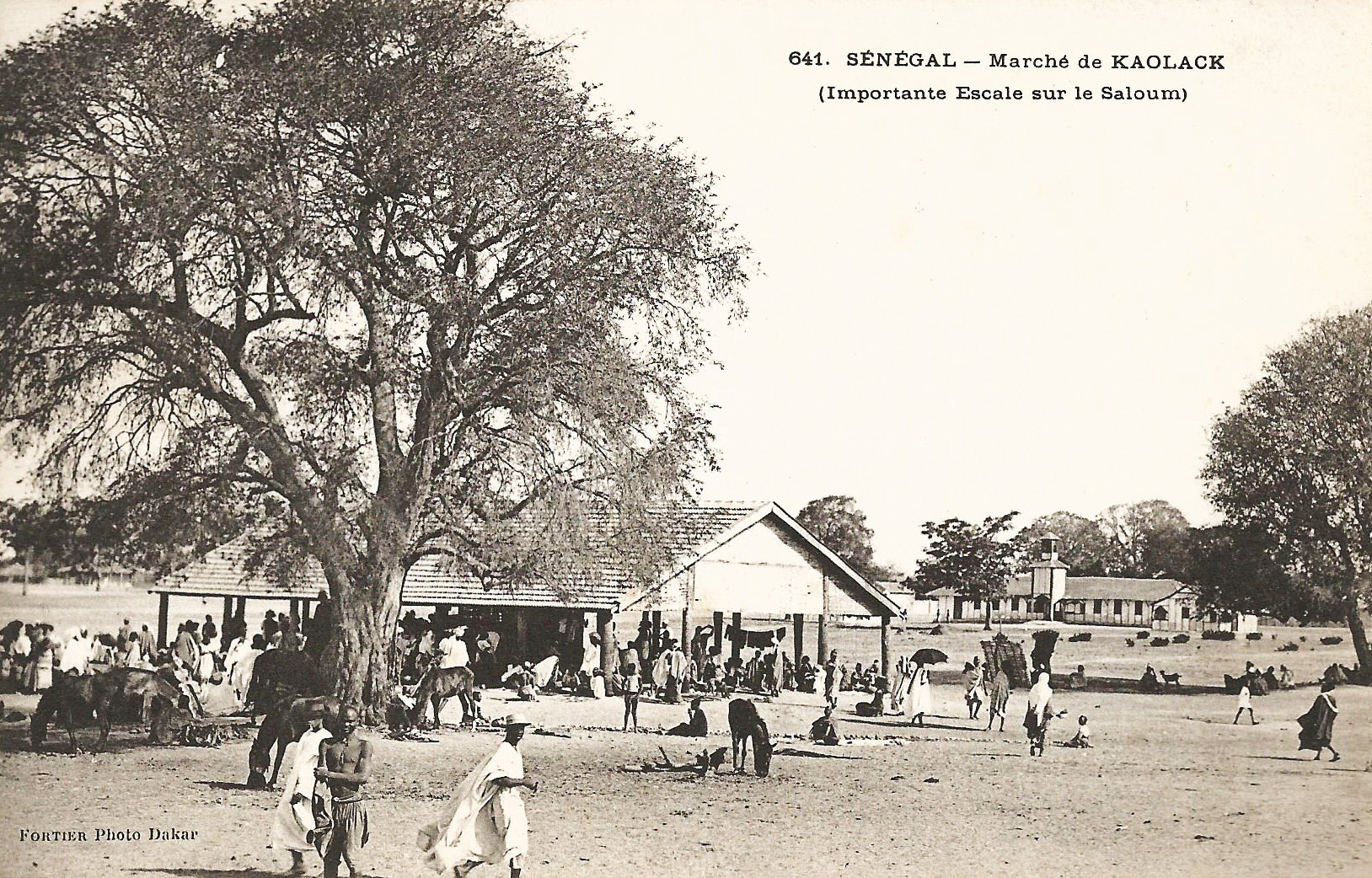
Getting Around Kaolack
Kaolack is a regional market town and transport hub on the north bank of the Saloum River, and it is well connected to the rest of Senegal. Within the city itself, however, options are simple: taxis and motos are the main ways visitors move around, and most of the city is best reached by road rather than on foot over long distances.
Rail, Metro and Tram
Kaolack has no metro or tram network. Rail does have a place in the city's history: a rail spur was built from the port to the Dakar-Niger line in 1911, which helped the town boom as a peanut processing and export center. Beyond that historical link, the source material does not describe a passenger rail service that a visitor can use to get around Kaolack, so plan on road-based transport for practical travel.
Buses and Other Public Transport
Most people get around Senegal by sept-places, and buses pass through Kaolack heading between Bamako and Dakar in both directions. There are also minicars, which tend to leave only when full but are a cheaper option.
For longer journeys, the main intercity options are:
- Sept-place: a station wagon seating seven people, described as the safest and most common option with moderate comfort. Seating is first-come, first-served, and passengers in the back seats get the most cramped spots.
- Mini-bus ("Alhum"): large vans with brightly painted exteriors, best for shorter distances. They are cheaper and more characterful but slower, crowded, and more prone to breakdowns. On an Alhum, aim for a window seat for airflow.
- Bus ("beez"): a cross-country option that is cheaper than a sept-place and roomier, departing at night and arriving by morning. It is described as hot, smelly, and more dangerous.
Kaolack's intercity departures are organized around two transport stations, known locally as garages:
- Garage Dakar: serves areas to the west and north, such as Dakar, Thiès and St. Louis.
- Garage Nioro: serves the south and east, including Tamba, Kolda and the Casamance.
Garages are the transport hubs and departure points, and on arrival men will rush and shout at travelers — this is the normal system. Stay calm, make eye contact with one person, and state your destination and preferred transport type. Before entering a garage, know three things: your destination, the type of transport you want, and the ticket price in advance. Small bags should be free, while large bags may incur a negotiable charge; bicycles always cost extra. Travel is unpredictable, and waiting for a vehicle to fill or depart, or dealing with breakdowns and flat tires en route, is common — allow a full day of travel per journey.
Taxis and Ride-Hailing
Taxis are the main way to get around Kaolack, or you can take a moto if you are brave enough. In Senegalese cities other than Dakar, a taxi anywhere within city limits costs 500 CFA; the source material notes fares of between 700 and 800 FCFA for getting around Kaolack. The reference material does not describe ride-hailing services operating in Kaolack, so plan on traditional taxis and motos.
Walking
Kaolack is made up of distinct neighborhoods, including Lewna (Léona), which includes much of the city center, as well as Jaleñ, Medina Mbàbba, Medina Baay, Saam, Ndoorong and Coofog. The city center or "Escale" neighborhood was laid out on a grid, which makes parts of the center reasonably navigable on foot. Given the hot semi-arid climate, with a short rainy season and a lengthy dry season, walking is best kept to shorter hops within a neighborhood rather than as a way to cross the whole city.
Getting from the Airport into the City
The source material does not provide details on Kaolack's airport or on transfers from an airport into the city. What it does make clear is that Kaolack is the transport hub of the country and that you can get to any point in Senegal in a day's travel, with intercity connections organized through Garage Dakar and Garage Nioro. If you are arriving by air, plan to arrange your onward road transport in advance and confirm locally which garage or service serves your route.