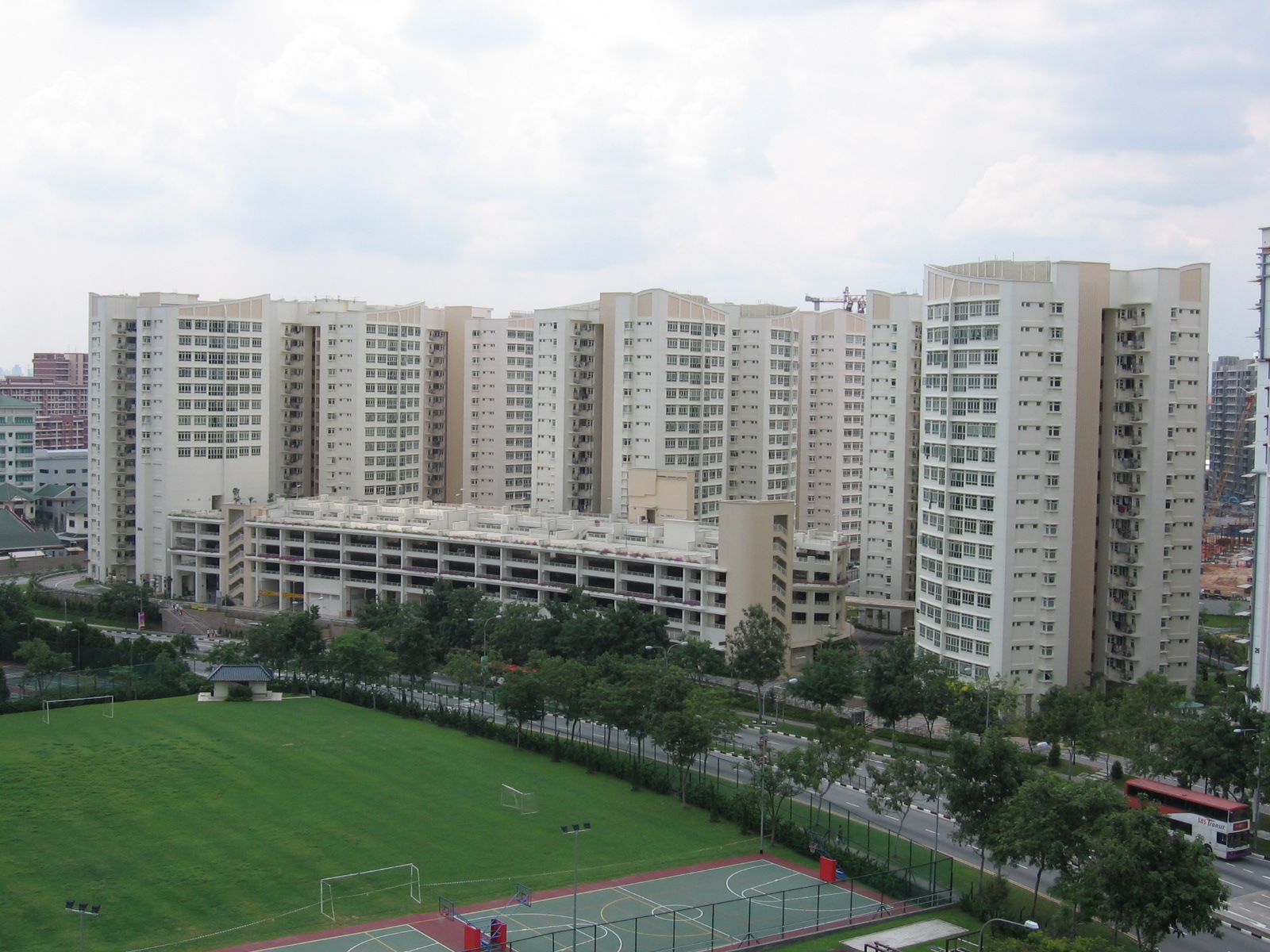
Getting Around Sengkang New Town
Sengkang is a residential town in Singapore's North-East Region, built by the Housing and Development Board and divided into neighbourhoods such as Rivervale, Compassvale, Anchorvale and Fernvale, with the town centre in Compassvale. For a visitor, it works best as a place to stay or explore rather than a standalone sightseeing district, and getting around is straightforward once you understand the local mix of rail, bus and on-demand transport.
How Visitors Move Around Singapore
Singapore's public transport is the default way to travel for both residents and tourists. The network is dense, safe and easy to use, and it links the airport, the downtown core and the outlying new towns such as Sengkang. Most journeys combine a rail leg with a short bus ride or a walk, and fares are paid electronically rather than in cash on buses.
Rail, Metro and Trams
Sengkang is served by Singapore's metro system, known locally as the MRT, and by the automated light-rail system, the LRT. The LRT functions as a feeder network: it loops through the town's neighbourhoods and connects them to the town centre and the MRT, so residents and visitors can reach the metro without a long walk. Sengkang Town Centre is the natural interchange point where these modes meet.
In practice, this means you can arrive by MRT, transfer to the LRT to reach a specific neighbourhood such as Rivervale or Fernvale, and then walk the last stretch to your destination. The network is operated by SBS Transit, the single transit operator covering the town.
Buses and Other Public Transport
Buses fill in the gaps between the rail lines and the residential streets. Sengkang's bus and metro network runs along a handful of main corridors, with Sengkang East Road acting as the primary road through the town and Compassvale Road serving as a key local route; smaller residential streets such as Sengkang Square and Anchorvale Link are also served. Because the town is primarily residential, buses are the most practical way to reach pockets that sit away from the rail stations.
To pay, use a stored-value transit card or a contactless bank card tapped on the reader when you board and alight; cash is not the norm on Singapore buses. Fares are distance-based, so you are charged according to how far you travel rather than a flat rate.
Taxis and Ride-Hailing
Taxis and ride-hailing apps are widely available and are the simplest option when you are carrying luggage, travelling late, or heading somewhere not directly on a bus or rail line. They are also the most convenient way to move between Sengkang and other parts of Singapore when you would rather not make a transfer. Pick-up points are typically at the town centre, at malls and along the main roads.
Walkability
Sengkang was designed as a pedestrian-friendly new town, with the neighbourhoods laid out around the town centre and connected by covered walkways and paths. The town's design even echoes its history: the pilotis, or stilt effect, used in some housing blocks recalls the stilts of the fishing villages and the trunks of the plantations that once covered the area. Walking is realistic within a neighbourhood and around the town centre, but the town is spread out, so for crossing between neighbourhoods the LRT or a bus is usually faster than walking.
Getting from the Airport into the City
Singapore's main international airport, Changi, is the arrival point for most visitors. From there you can reach the city and onward to Sengkang by MRT, by taxi or by ride-hailing app. The MRT is the cheapest option and connects the airport to the wider rail network, from which you can continue toward the North-East Region and Sengkang. Taxis and ride-hailing are the most direct, particularly if you have luggage or are arriving late at night, and will take you straight to your accommodation in Sengkang without transfers.
Practical Tips
- Use a stored-value transit card or a contactless bank card for both buses and rail; tap in and tap out on every journey.
- Treat the LRT as a feeder to the MRT rather than a long-distance line, and use it to reach individual neighbourhoods.
- Plan on a bus for the final leg to residential streets away from the rail stations.
- Keep a ride-hailing app handy for late nights, heavy bags or destinations off the main routes.
- Singapore observes no daylight saving, so timetables and opening hours stay consistent year-round.