Getting Around Atbara
Atbara is a compact city in Sudan's River Nile State, built around its historic role as the country's railway hub. For a visitor, that history matters practically: the railway station is a genuine gateway, and the city's districts — including the railway district, Almurabaat, Alsawdana, Almatar, and Umbukole — are spread across a fairly walkable area. Note that Atbara has a hot desert climate, with average highs above 40 °C for much of the year, so plan your movement around the heat rather than the clock.
Rail
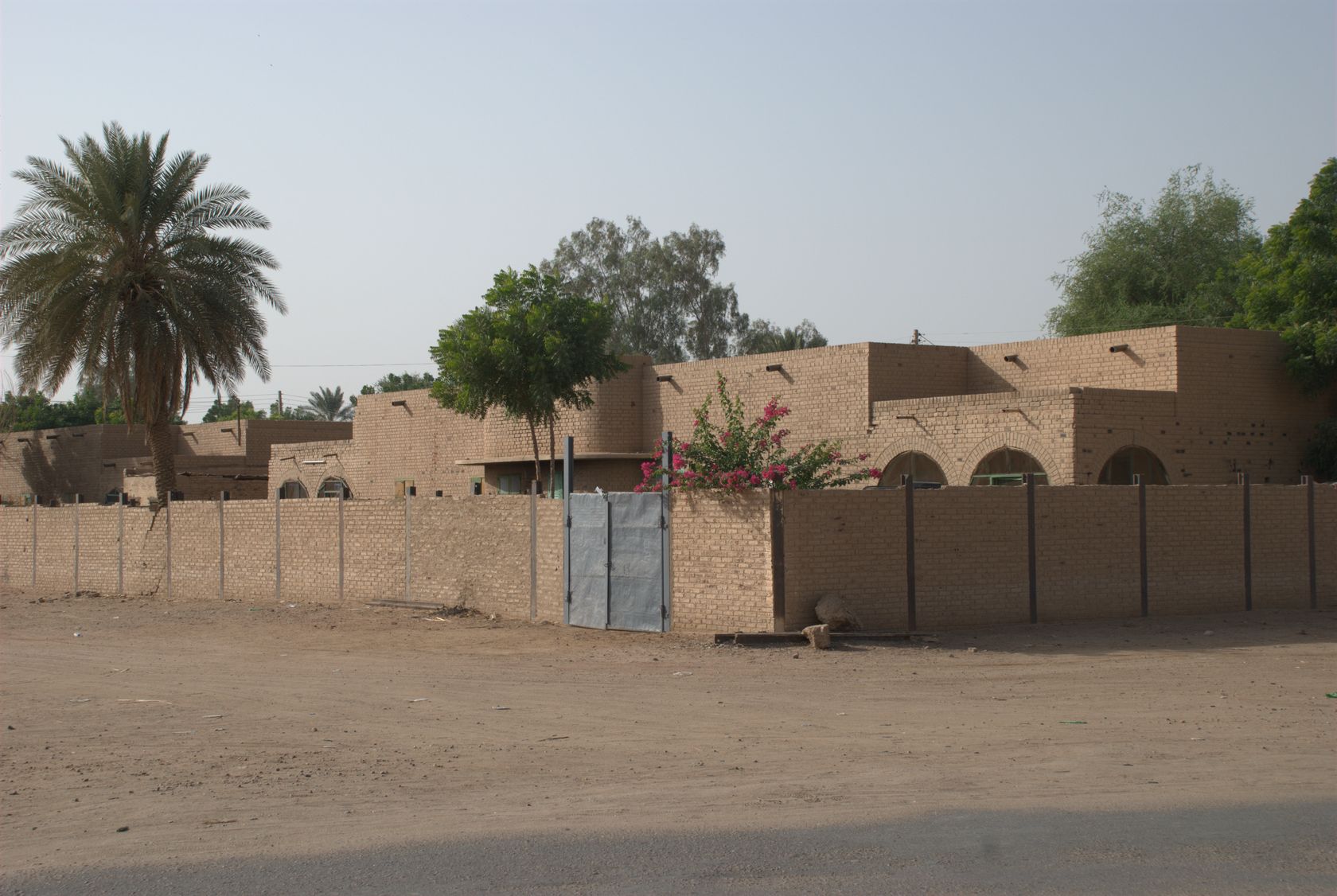
Atbara is a major hub for passenger trains in Sudan and remains the headquarters of the Sudanese National Railway Company. The city's identity as the "Railway City" is still visible in the original station and the unusual dome-shaped houses built for railway workers.
For practical travel, however, the network is much reduced. The only reliable passenger link is with Khartoum, served by the daily Nile Express. Trains from Wadi Halfa — which connect with the ferry from Egypt — are supposed to run once weekly, but cancellations are frequent. The same is true of trains from Port Sudan, which run on an irregular schedule. If you plan to arrive or leave by rail, treat anything other than the Khartoum service as uncertain and confirm locally before committing.
Buses and Minibuses
Buses are the mainstay of long-distance travel into and out of Atbara. The city sits on the main bus corridor north of Khartoum, and buses linking Sudan's larger cities are generally described as manageably comfortable. Atbara has a new, spacious bus station with a quiet waiting room; facilities include tea and mobile phone charging.
From Atbara, minibuses cross the flat Bayuda Desert toward Merowe and Karima. Expect a journey with stops for driver smoking, passenger breaks, and prayer. Merowe is a small town where most passengers disembark, with Karima about twenty minutes further on.
Atbara is also the nearest town to the Pyramids of Meroe, roughly two hours away by road. The main road near Meroe carries buses and trucks, and travellers have flagged down a bus heading to Atbara from there. Be aware that police checkpoints operate on the road to Atbara, and that buses can be overcrowded and may not stop for waiting passengers — lifts by truck or private pickup are sometimes the fallback.
Taxis and Ride-Hailing
Taxis are a normal part of urban transport in Sudanese cities, and tuk-tuks also operate, though they are not much cheaper than taxis. In Khartoum, the ride-hailing app Tirhal works on an Uber-like model with cash payment and an upfront price; it is worth checking whether it functions in Atbara before relying on it, as the source material only documents it for the capital.
Walking
Atbara's districts are close enough together that walking is a realistic option for getting between them, and the riverside setting — where the Atbarah River meets the Nile — is an important geographical feature worth seeing on foot. The main constraint is the climate: with a hot desert climate and long stretches of extreme heat, walking is best confined to the cooler hours of early morning and evening.
Getting from the Airport
Atbara Airport is located east of the city. It does not have scheduled flights, so arriving by air is not a dependable option. If you do arrive there, the airport lies outside the built-up area and you should arrange ground transport in advance rather than expect to find taxis waiting.
Practical Notes for Visitors
- Bring hard currency (USD or Euros) in cash. ATMs have been unusable due to sanctions, so exchange with locals instead.
- Police registration is required for stays over three days.
- If you are continuing to Egypt, proof of yellow fever vaccination is required for arrivals from Sudan.
- Visas generally require a letter of invitation for visa-on-arrival at Khartoum airport, or an embassy application in Cairo.
- Confirm rail schedules locally: apart from the daily Nile Express to Khartoum, services are irregular or frequently cancelled.