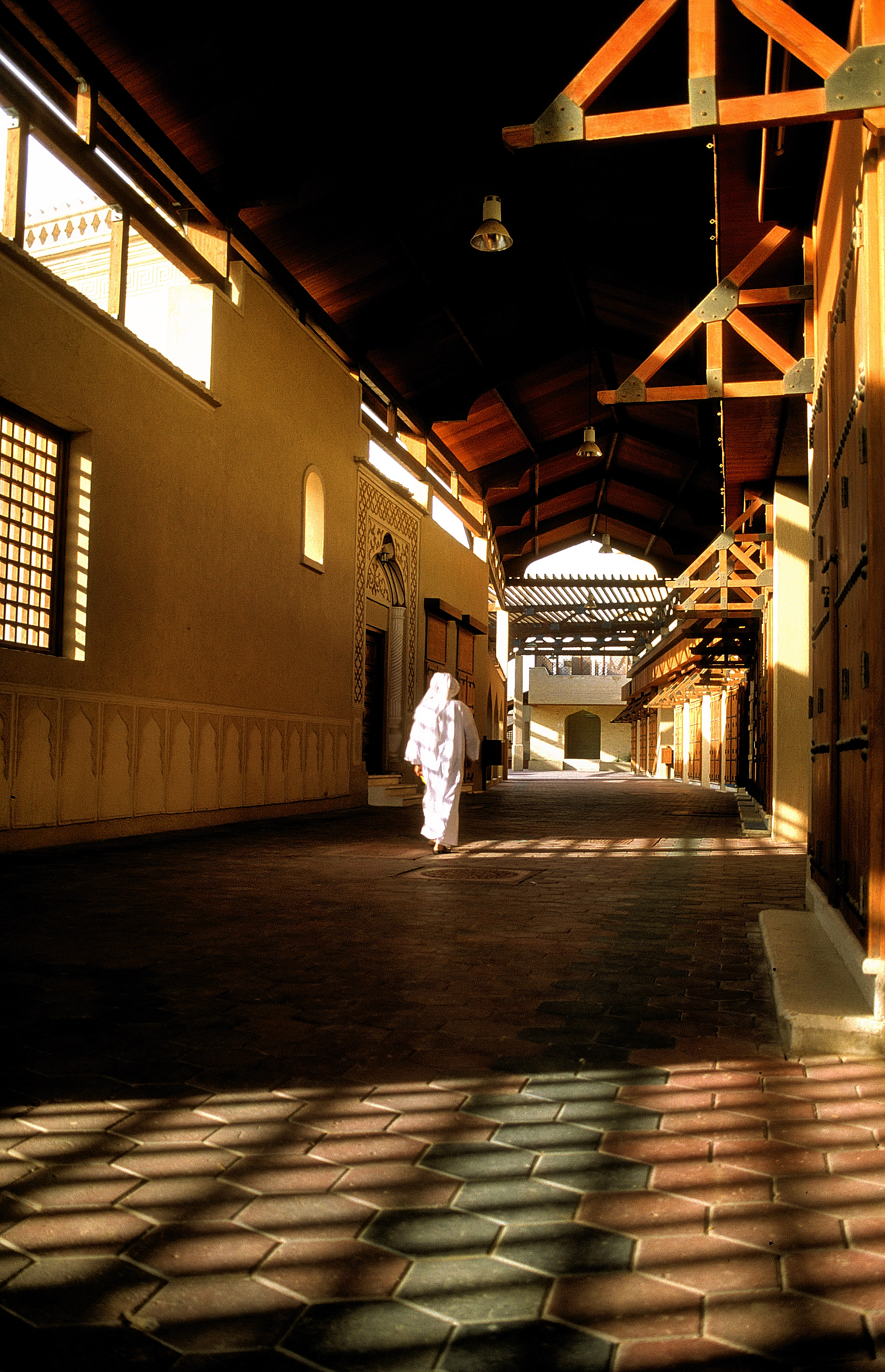
Getting Around Dammam
Dammam is the main transport hub of the Dammam–Dhahran–Khobar cluster, and the wider metropolitan area spreads across these neighbouring cities. For a visitor, the practical reality is that public transport is limited, and most journeys are made by car, taxi, or ride-hailing app. Plan your movements around that, and the city is manageable.
Rail Connections
Dammam has a railway station, located a short drive from the city centre on Fatema Al Zahra Street. The rail network is oriented toward longer intercity journeys rather than local commuting: trains connect Dammam with Abqaiq, Hofuf, and Riyadh. If your visit includes other parts of the Eastern Province or the capital, the train is a comfortable option, but it is not a way to move around within Dammam itself.
Metro and Tram
There is no metro or tram network in Dammam. Visitors should not expect a rail-based urban transit system; getting around the city relies on road transport.
Buses and Public Transport
Public transport within Dammam is poor, and buses are not a practical way for most visitors to move around the city. That said, buses do serve two useful roles:
- Intercity travel: The SAPTCO bus station sits on 11th Street, roughly a short walk north of the city centre. From here there are regular services throughout the country, as well as SAPTCO buses direct to Bahrain several times a day.
- Airport transfers: SAPTCO runs comfortable shuttle buses between the airport and the bus station, departing roughly hourly. Tickets are inexpensive, and the trip takes around 45 minutes.
For getting around town day to day, buses are best treated as a fallback rather than a primary option.
Taxis and Ride-Hailing
Taxis and "dubbabs" dominate the local transport market and are commonly used. Fares within the city proper are modest, and a typical cross-city trip between Dammam and neighbouring Khobar costs somewhat more. Agree on the fare or confirm the meter before setting off, as pricing practices can vary.
Modern ride-hailing services, notably Uber and Careem, have become very popular and are generally the easiest option for a visitor. They let you book and pay through an app, avoid haggling, and are well suited to trips between the city's spread-out districts and to Khobar or Dhahran.
Walkability
Dammam was planned from the outset on contemporary urban planning principles, with residential areas clearly separated from commercial ones and broad, straight roads. That layout, combined with the hot desert climate, means the city is not especially walkable for visitors. Summer temperatures are extremely hot and humid, and even in the milder winter months the distances between districts make walking impractical for most journeys. Expect to rely on vehicles for almost everything.
Renting a Car
Given the limited public transport and the dispersed layout of the metropolitan area, renting a car is often the best deal for visitors who want flexibility. Dammam is well linked by the kingdom's modern highway network and the GCC road, so driving is straightforward for reaching Khobar, Dhahran, and beyond. Nearby Khobar is a short drive away, and from there the King Fahd Causeway leads on to Bahrain.
Getting from the Airport into the City
King Fahd International Airport (DMM) serves the city and the rest of the Eastern Province. It is the largest airport in the world by land area and sits in the desert well outside the city, so allow time for the transfer. All domestic and international flights leave from the same terminal. If you have time to spare before a departure, the fourth floor above check-in has an observation deck and a cafeteria serving a simple buffet; once through security, facilities are minimal.
Two main options connect the airport with the city:
- SAPTCO shuttle bus: Runs between the airport and the SAPTCO bus station roughly hourly. The trip takes around 45 minutes and is the cheapest option.
- Taxi: Covers the same distance in roughly half an hour and costs considerably more than the bus. Ride-hailing apps are also worth checking, though availability at the airport can vary.
Whichever you choose, build in buffer time: the airport's remote location means the transfer is a significant part of any arrival or departure.
Practical Summary
- No metro or tram; local public transport is poor.
- Taxis and ride-hailing (Uber, Careem) are the main ways to get around town.
- Renting a car gives the most flexibility for the dispersed metropolitan area.
- Buses are useful mainly for intercity trips and the airport shuttle.
- The airport is far from the centre — use the SAPTCO shuttle or a taxi.
- Walking is limited by heat and by the city's spread-out, car-oriented layout.