Getting Your Bearings
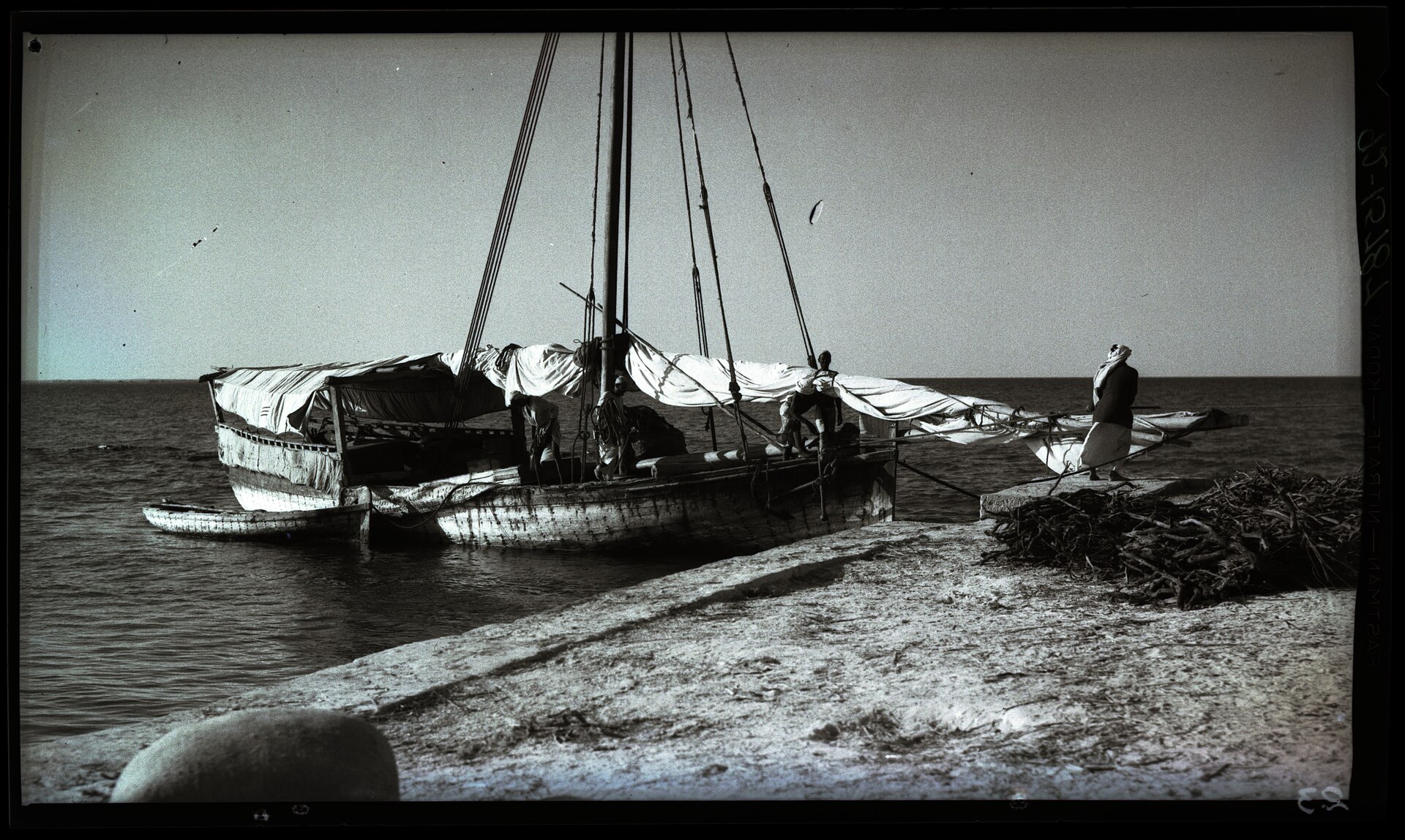
Al Jubail (often written Jubail) is an industrial city on Saudi Arabia's Persian Gulf coast in the Eastern Province. For a visitor, the key thing to understand is that the city has two distinct halves: the Old Town, known as Jubail Balad, which was a small fishing village until the mid-1970s, and the newer Industrial Area, including the planned Jubail Industrial City. The two are separated by a stretch of coast and highway, so where you are staying — old town, the Fanateer beachfront area, or the industrial-city neighbourhoods — will shape how you get around.
How Visitors Move Around
Jubail is a car-oriented city. Its growth was driven by a massive industrial development programme that included new ports, roads, pipelines and an airport, and the road network is the backbone of local movement. In practice, most visitors will rely on taxis, ride-hailing apps and private cars rather than on public transport. The city is directly connected to the rest of the region by two major highways, the Dhahran–Jubail Highway and the Abu Hadriyah Highway, which makes road travel the default way in and out.
Rail, Metro and Tram
There is no metro or tram network in Jubail, and no passenger rail service currently reaches the city. A branch of the Saudi Landbridge Project railway has been proposed to connect Jubail to Dammam, but this is a proposal rather than an operating service. Visitors should not plan on arriving or getting around by train.
Buses and Public Transport
Jubail has no extensive local bus network described in the available information, so you should not count on city buses for sightseeing or daily errands. The useful public-transport option is intercity: SAPTCO operates a direct bus between Dammam and Jubail, departing roughly every four hours through the day, with a journey of about an hour and a quarter. Buses leave from the Dammam station and arrive at the Jubail station. Fares are modest, and tickets can be arranged through SAPTCO — schedules are published on the company's website (saptco.com.sa), and the contact number is +966 920000877. This is a sensible option if you are coming from Dammam or the wider Eastern Province without a car.
Taxis and Ride-Hailing
Taxis are the most practical way to cover the distances between Jubail's old town, its beaches and the industrial districts. For longer trips, taxi services such as ChaCha Taxi run between Dammam and Jubail in roughly the same time as driving yourself, though at a considerably higher cost than the bus. Ride-hailing apps are widely used in Saudi cities and are the easiest way to summon a car for short hops; have your destination written in Arabic as well as English, since place names like Jubail Balad and the Fanateer area are clearer to local drivers in Arabic. Agree on the fare or confirm the app price before setting off, particularly for trips out to the industrial area or the beaches.
Walking
Walking is pleasant in specific spots rather than as a way to cross the city. The waterfront is the highlight: the Al Jubail Corniche and the beaches — including Fanateer Beach, Al Nakheel Beach, Youth Beach, Dareen Beach and Banana Beach — are best enjoyed on foot once you have arrived by car or taxi. The International Market and the city's malls, such as Fanateer Mall, Galleria Mall, Jubail Center Mall and Jubail Mall, are also walkable once you are there. Between districts, however, distances are long and the climate is hot, so treat walking as a way to explore a single area rather than to travel between them.
Getting from the Airport into the City
The city is served by King Fahd International Airport, which lies near Dammam rather than on Jubail's doorstep. The drive from the airport terminal to Jubail is substantial — roughly an hour or more depending on your destination within the city, with the suburbs closer and the city centre and the Royal Commission neighbourhoods farther out. There is no rail link from the airport, so your realistic options are a taxi or pre-booked car transfer, a ride-hailing pickup, or a combination of transport into Dammam followed by the SAPTCO bus to Jubail station. For a smooth arrival, arrange a transfer in advance through your hotel — Jubail has a good stock of hotels, including the Coral Jubail Hotel, Al Reem Village Hotel and Hilton Garden Inn Al Jubail, many of which can organise airport pickups.
Note that Jubail Naval Airport, west of the city near the industrial area, was built with commercial use in mind but was handed to the Ministry of Defence and serves naval aviation; announcements about opening it to private aviation have not been followed through with completed renovations. Do not expect to fly into it. Two smaller airfields, Abu Ali Airport and the airstrip at King Abdulaziz Naval Base, are likewise not for general visitor use.
Practical Tips
- Plan around a car: taxis, ride-hailing or a hired driver will cover most of your movement in Jubail.
- Use the SAPTCO bus for the Dammam–Jubail leg; check schedules on saptco.com.sa or call +966 920000877.
- Allow generous time for the airport run — King Fahd International is a long drive from Jubail.
- Cluster your sightseeing by area — old town and International Market in one outing, the corniche and beaches in another — so you minimise cross-city trips.
- Keep destinations in Arabic for taxi drivers, and confirm fares for longer journeys.