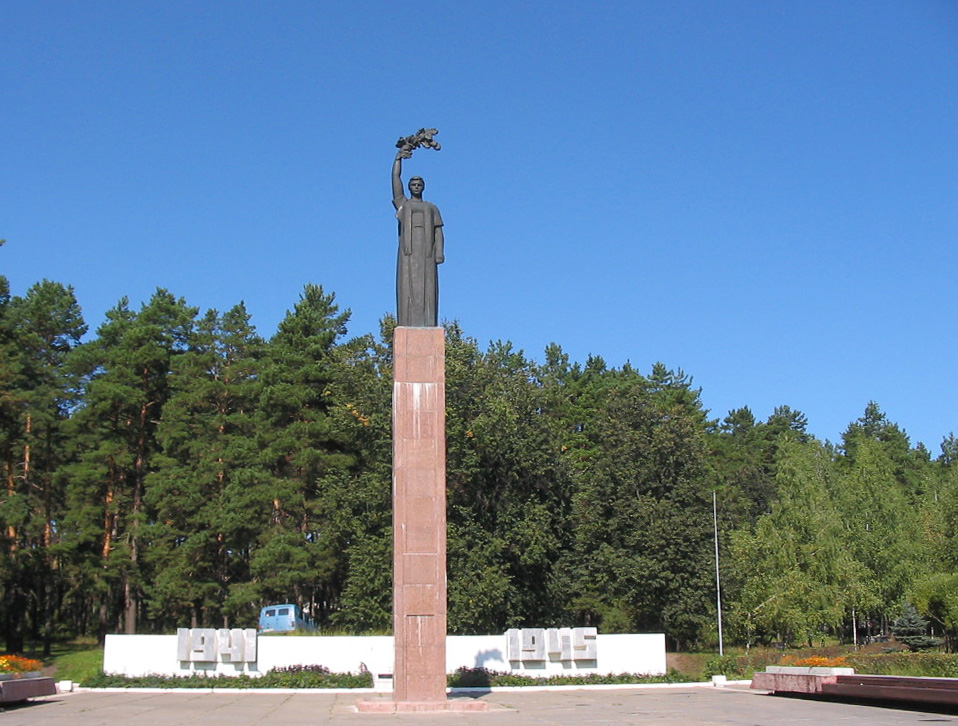
Getting Around Dimitrovgrad
Dimitrovgrad is a mid-sized city in Ulyanovsk Oblast, known as Melekess until 1972 and home to the Research Institute of Atomic Reactors. For a visitor, the good news is that the city is compact and easy to navigate: public transport is built around buses, taxis are plentiful, and much of the center can be covered on foot.
Buses and Public Transport
Buses are the backbone of local public transport in Dimitrovgrad. The route network is described as well developed and covers most areas of the city, so you can generally rely on a bus to get between the center, residential districts, and outlying parts of town.
- Primary mode: Buses are the main form of public transport within the city.
- Coverage: Routes reach most areas of Dimitrovgrad, making buses a practical option for longer cross-city trips.
- Tickets: Fares are typically paid on board; carry small cash in Russian rubles, since foreign-issued Visa and Mastercard may not work due to restrictions.
Rail, Metro and Trams
Dimitrovgrad has no metro and no tram network. Rail in and around the city is oriented toward intercity and suburban travel rather than everyday movement within town.
- Dimitrovgrad Railway Station: The city's main rail station sits roughly a short ride from the city center, making it a convenient arrival and departure point.
- Suburban trains: Suburban rail links Dimitrovgrad with Ulyanovsk, a trip of about one to one and a half hours.
- Nearby stations: Other stations in the wider area include Cherdakly, Ulyanovsk Central, Togliatti, Nurlat, and Zhiguli Sea Station, useful if you are continuing onward through the region.
Taxis and Ride-Hailing
Taxis are widely available, both from local companies and through ride-hailing aggregators such as Yandex Go. This makes taxis a straightforward option for trips that are too long to walk or awkward by bus, and for reaching the railway station with luggage.
- Ride-hailing: Yandex Go and similar aggregators operate in the city.
- Local firms: Traditional taxi companies are also available if you prefer to phone for a car.
- Payment: Carry cash as a backup, as foreign bank cards may be declined.
Car Rental
Renting a car is mainly worthwhile for trips outside Dimitrovgrad rather than for getting around the city itself. Within town, buses, taxis, and walking cover most visitor needs, so a rental car is not necessary for in-city travel.
Walking the City
Dimitrovgrad is a walkable city, and comfortable shoes are recommended. Many of the central sights and amenities — including the Dimitrovgrad Local History Museum, the Drama Theater named after A.N. Ostrovsky, the Praga shopping center, and the Milano restaurant — can be reached on foot from the center, with buses or taxis filling in the gaps for more distant districts.
Getting There from the Airport
Dimitrovgrad has no airport of its own. Visitors fly into one of the surrounding regional hubs and continue by road or rail.
- Kurumoch International Airport (KUF), Samara: The nearest major hub, reached by car or taxi in roughly two and a half hours.
- Baratayevka Airport (ULV), Ulyanovsk: Served mainly by domestic flights, about two and a half to three hours away by road.
- Kazan International Airport (KZN): A longer option, around four to four and a half hours by road.
From Ulyanovsk, you can reach Dimitrovgrad in about one to one and a half hours by bus, taxi, or suburban train — often the most convenient combination if you fly into Baratayevka. The city is also connected by federal and regional highways and by intercity buses linking it with Ulyanovsk, Samara, Kazan, and other settlements in the region.
Practical Tips
- Currency: The Russian ruble (RUB). Exchange money at bank branches; ATMs are widely available.
- Cards: Mir bank cards are accepted almost everywhere, but foreign-issued Visa and Mastercard may not work — carry cash.
- Tipping: Five to ten percent in cafes and restaurants is customary but discretionary.
- Climate: Temperate continental, with warm summers and cold winters, so dress and footwear should match the season.
- Churches: Women should cover their heads and shoulders, and men should wear trousers.