Getting Around Cheboksary
Cheboksary is the capital of Chuvashia and a port on the Volga River, and it spreads across three city districts — Kalininskiy, Leninskiy and Moskovskiy. For a visitor, that means the practical question is usually not whether transport exists, but which mode suits the trip you are making. The city has no metro and no tram system, so surface transport does the work.
Public Transport: Buses, Trolleybuses and Marshrutkas
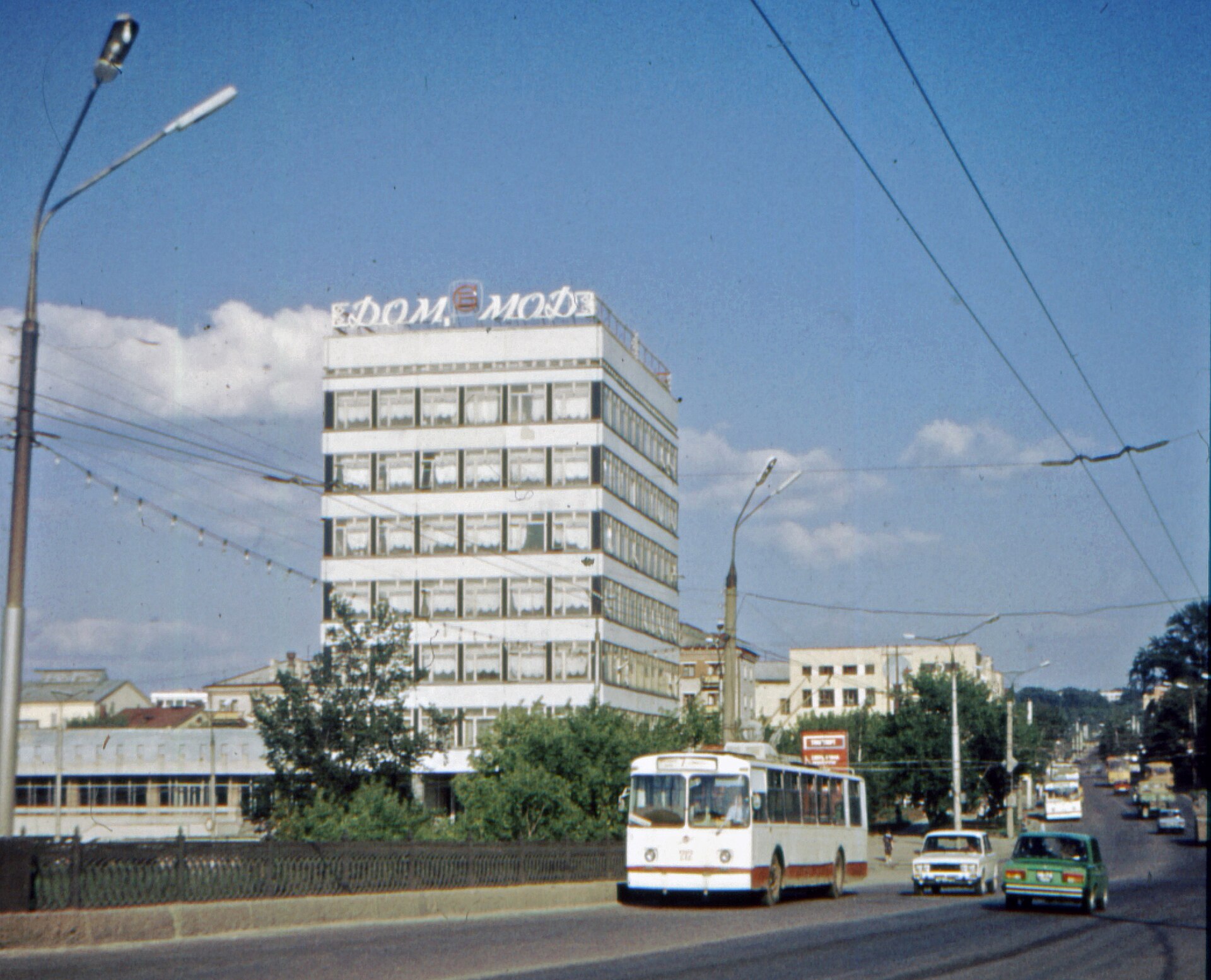
An extensive system of trolleybuses, buses and minibuses covers Cheboksary, providing quick, convenient access to all parts of the city. In practice this is the backbone of local travel.
- Buses cover most of the city, including residential areas, attractions and retail centres.
- Trolleybuses serve routes throughout the city.
- Marshrutkas (private minibuses) often follow routes similar to the buses. They can be faster and more flexible, and passengers can sometimes ask to be let off anywhere along the route.
Fares and payment
Expect a flat fare per single ride across buses, trolleybuses and marshrutkas. Payment is typically made in cash to the driver, so keep small notes and coins on you. Service generally runs from around early morning until late evening, with high frequency at peak hours.
Finding your route
Route maps are posted at major bus stops, are sometimes displayed inside vehicles, and are available online. Yandex.Maps and 2GIS are the most useful tools for real-time routing and schedules, and they are worth installing before you arrive.
Where the network converges
Several places function as natural transfer points where you can change between routes: the area around Ploshchad Respubliki, the Cheboksary Bay, and the Central Bus Station. If you are unsure how to reach a destination, heading for one of these hubs is usually a good first move.
Accessibility
Accessibility is limited on most vehicles, and public infrastructure often lacks ramps or elevators. Newer buildings and some major tourist attractions may be better equipped.
Taxis and Ride-Hailing
Official taxi agencies operate in the city, and licensed taxis are marked with yellow signs or distinctive licence plates. If you hail one on the street, agree on the fare beforehand. Cash is accepted.
Ride-hailing is the lower-risk option. Yandex.Taxi is the dominant app, and Uber operations in Russia are often integrated with it. In-app card payment is available, and the tracking, ratings and electronic payment all reduce the risk of disputes. Verify the driver and the vehicle against the app before you get in.
Be aware that privately owned "gypsy" cabs — informal lifts from anyone who owns a car — are a favourite means of transport among locals. This can be a convenient way to get around, but it is also potentially dangerous and is not recommended for visitors.
Walking and Cycling
Cheboksary rewards walking in the right places. The Cheboksary Bay and the Embankment are pedestrian-friendly, with wide walkways and green spaces, and the bay is a popular gathering place in the middle of the city. The centre around Ploshchad Respubliki and Victory Park (Park Pobedy) are also good on foot. Boardwalks and beaches run along the Volga, where people swim in summer.
Outside those areas, be selective. Industrial zones and major multi-lane highways are unsuitable and unsafe for walking or cycling. Cycling infrastructure is limited: there are few dedicated bike lanes, and cyclists typically share roads with vehicles or use sidewalks. Helmets are advised. Bicycle rental is limited, though some hotels may offer bikes to guests.
Getting In from the Airport
Cheboksary Airport (IATA: CSY) is an international airport and receives both cargo and passenger aircraft of practically all types and sizes, with regularly scheduled flights to Moscow and other destinations. Chuvashia Airlines was based there until its operations ceased in 2009.
For the transfer into the city, a licensed taxi or a ride-hailing car booked through an app is the straightforward option, and an airport transfer is the kind of trip where agreeing the fare in advance matters most. Public transport also reaches the city, but with luggage the taxi or app-based ride is the simpler choice.
Two alternative airports are worth knowing about. Cheboksary is about a four-hour drive from Strigino International Airport near Nizhny Novgorod, which offers more flight connections. Kazan is roughly a two-hour car ride away and also has international connections. Microbuses may be hired to get to Cheboksary from Kazan, but it is strongly recommended to arrange transportation through people you know rather than on the spot.
Arriving by Train, Car or Boat
The railway network is developed and accessible all year. Via the major junction at Kanash in the centre of the republic, the rail system connects Cheboksary with Moscow and the industrial centres of the Urals and Eastern Siberia. Express trains are a low-cost, comfortable way to travel, and express trains to and from Moscow run daily, with an easy overnight journey of roughly fourteen hours each way.
By road, Cheboksary sits on one of the main highways leading from Moscow toward the industrial areas of Tatarstan, the Southern Urals and Siberia, and the republic ranks high in highway density. Autos, trucks and buses carry the majority of transportation.
By water, Cheboksary is a frequent stop on the boat tours that travel along the Volga, and a boat tour to the major cities along the river is highly recommended. In summer, short boat trips of an hour or two depart from the River Port, and hydrofoils seasonally connect Cheboksary to Kazan and Nizhny Novgorod. Note that the river is frozen from December through April, so river travel is a warm-season option only.
Driving Yourself
If you plan to rent a car, an International Driving Permit is legally mandatory, and you should book in advance. Drive on the right; seatbelts are mandatory for all passengers; headlights are required at all times; and the alcohol policy is zero-tolerance.
Main roads and federal highways are generally paved and maintained, but the quality of local and neighbourhood streets varies. Winter driving is challenging, and winter or studded tyres are necessary in the cold months. Street parking is common but scarce in the city centre, with paid parking available in various locations. Speed regulations are strictly enforced, and it is worth knowing that local drivers can be aggressive or reckless, lighting on some rural routes at night is poor, and roads turn slippery in rain.
Practical Tips
- Carry cash in small denominations — it is the usual way to pay on public transport and in street-hailed taxis.
- Install Yandex.Maps and 2GIS for route planning and real-time schedules, and Yandex.Taxi for rides.
- Plan around the service day: public transport generally runs from early morning to late evening rather than overnight.
- Use Ploshchad Respubliki, Cheboksary Bay or the Central Bus Station as your transfer hubs.
- Skip the informal "gypsy" cabs; use licensed taxis or an app instead.
- Do your walking around the bay, the embankment, the central square and Victory Park rather than along industrial roads or multi-lane highways.
- Remember the river is impassable from December through April, so boat excursions and hydrofoils are summer options.