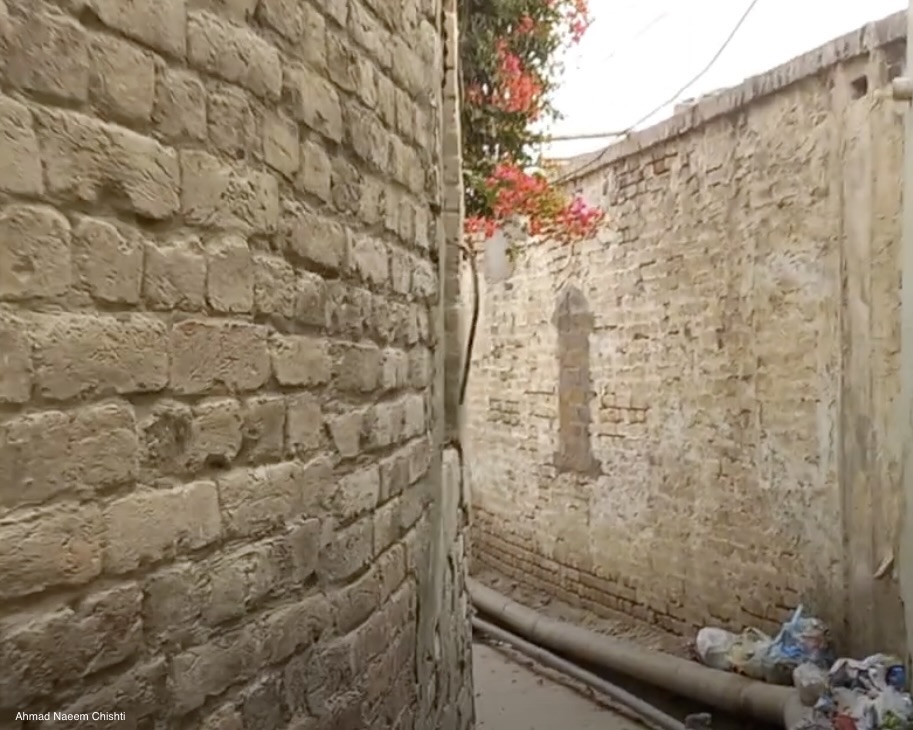
Understanding How Pakpattan Moves
Pakpattan is an ancient, historic city in the Pakistani province of Punjab and the headquarters of Pakpattan District. It sits in the fertile plains of Punjab, roughly 40 kilometres from the border with India and about 184 kilometres by road southwest of Lahore, with Multan around 205 kilometres away. It is the seat of the Sufi Chisti order in Pakistan and a major pilgrimage destination because of the Shrine of Baba Farid, whose annual urs fair draws an estimated two million visitors to the town. That pilgrimage traffic shapes how the city fills up and how visitors tend to move around it.
This guide covers the practical options for getting around Pakpattan and for reaching it from its airport. It deliberately describes the network in plain terms rather than reciting figures, because what matters to a visitor is which modes exist, how they connect, and how to pay for them.
Getting Around the City
Pakpattan is a compact, historic town rather than a sprawling metropolis, and much of what a visitor comes to see clusters around the shrine and the older parts of the city. In practice, most local movement is by road: short-hop vehicles, shared transport, and private cars or taxis. The city's position on the flat plains of Punjab means the terrain itself is not an obstacle to getting around.
Because the shrine is the focal point of the town and the surrounding area, a good approach is to orient yourself relative to it and treat the shrine and its immediate surroundings as your base for exploring on foot, then use road transport for anything further out.
Rail, Metro and Tram
Pakpattan does not have a metro or tram network, and there is no metro or tram system to navigate within the city. Rail is best thought of as a way of reaching the wider region rather than as a way of moving around Pakpattan itself. For getting around inside the city, plan on road-based transport rather than rail, metro, or tram.
Buses and Other Public Transport
Public transport in and around Pakpattan is road-based. Buses and shared vehicles are the mainstay for longer journeys to and from the city and for connecting Pakpattan with larger hubs such as Lahore and Multan. For a visitor, the practical points are:
- Expect to buy tickets directly from the operator or conductor rather than through an online pass system; there is no city transit pass scheme described for Pakpattan.
- Use buses and shared transport mainly for intercity legs and for reaching the city from outside, then switch to local road transport once you are in town.
- Because the annual urs brings very large numbers of pilgrims, demand for seats on buses and shared vehicles rises sharply around that period, so plan your travel dates with that in mind.
Taxis and Ride-Hailing
Taxis and private cars are the most flexible way to move around Pakpattan and to cover the last stretch into the city. Ride-hailing apps are a convenient option where they are available and where you have a working data connection; outside those conditions, arranging a taxi or a private car directly is the more reliable fallback. For a visitor, the sensible approach is:
- Agree the fare or confirm the app price before you set off, especially for trips beyond the centre.
- Keep a local contact or your accommodation's number handy so they can help arrange a car if an app is not available.
- Use taxis or private cars for the airport transfer and for any trips out to secondary sites connected with the shrine, which are spread across the surrounding area.
Walkability
Walking is a genuinely useful way to experience Pakpattan, particularly around the shrine and the older parts of the city, where the historic fabric and the pilgrimage life of the town are concentrated. The city sits on flat plains, so gradients are not a concern. The main caveats are practical rather than topographic: during the urs, the town is extremely busy with pilgrims, and walking conditions will be crowded. Outside that period, walking between nearby points in the centre is a reasonable and rewarding way to get around.
Getting from the Airport into the City
Pakpattan is served by its own airport, and the practical way to cover the final leg into the city is by road. Taxis, private cars, and ride-hailing are the options to plan for, with taxis and pre-arranged cars being the most dependable if an app is not available at the time you arrive. Because Pakpattan is also well connected by road to Lahore and Multan, some visitors will find it simpler to fly into a larger regional airport and complete the journey to Pakpattan by road or bus; either way, the last stretch into the city is a road journey.
- Arrange your transfer in advance if you can, so a car is waiting when you land.
- Confirm the fare or app price before departure, as you would for any taxi journey in the city.
- If you are arriving during the urs period, allow extra time and expect heavier traffic and higher demand for vehicles.
Putting It Together
For most visitors, the pattern is straightforward: arrive by road or air, use a taxi or private car for the transfer into town, walk the shrine area and the historic centre, and rely on buses, shared transport, taxis, and ride-hailing for anything further afield. There is no metro or tram to factor in, and no city transit pass to buy, so budgeting for individual road journeys is the simplest way to plan your movement around Pakpattan.