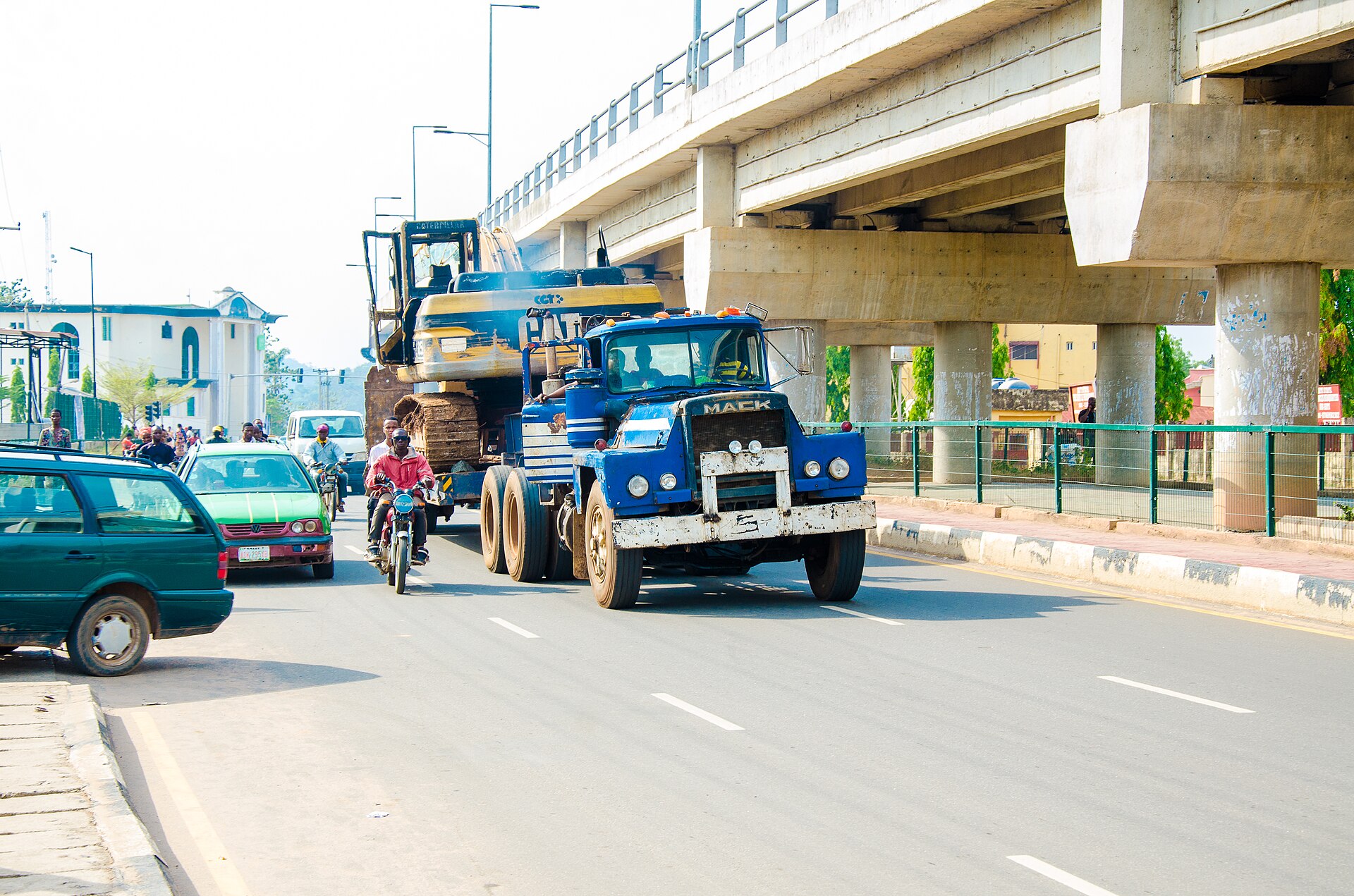
Getting Around Ado-Ekiti
Ado-Ekiti is the capital of Ekiti State in southwestern Nigeria and the headquarters of the Ekiti central senatorial district. The city is home to the Ekiti sub-ethnic group of the Yoruba people, and it functions as a trade centre for farm produce such as yams, cassava, grain, and tobacco. For a visitor, getting around is straightforward in principle: there is no rail, metro, or tram system to navigate, and movement within the city relies on road transport. What follows is practical, qualitative guidance on the options available.
Rail, Metro and Tram
There is no rail, metro, or tram network serving Ado-Ekiti. Visitors should not plan on using trains or light rail to reach or move around the city. All practical journeys, whether arriving from elsewhere in Nigeria or travelling within the city, are made by road.
Buses and Shared Transport
Shared cars and buses are the mainstay of intercity travel into Ado-Ekiti. They are available from multiple bus terminals in Lagos, Ibadan, Osogbo, and Akure. Fares for these shared services typically fall in the range of about ₦2,000–5,000, though you should confirm current prices locally before you travel, as they change.
- Where to catch them: Look for the established bus terminals in the cities listed above rather than hailing along the road; these terminals are where shared cars and buses to Ado-Ekiti depart.
- How to buy: Tickets are generally purchased at the terminal or directly from the driver or conductor at the point of departure. There is no central booking system or travel pass to arrange in advance.
- What to expect: These are shared services, meaning the vehicle departs when it is full or near-full, so build in some flexibility around your departure time.
Taxis and Ride-Hailing
Ride-hailing is available in Ado-Ekiti: Bolt operates in the city, and you can use it to travel to and from destinations within Ado-Ekiti. This is often the most convenient option for a visitor who wants a predictable, app-based way to get around without negotiating fares on the street.
- How to use it: Download the Bolt app, set your pickup and drop-off points, and pay through the app as you would in other cities where the service operates.
- Practical tip: Because app-based rides depend on network coverage and driver availability, it is wise to have a fallback plan if you are travelling at an unusual hour or to a less central location.
Walkability
As a general matter, walking is best suited to short trips within a neighbourhood or between nearby destinations, and visitors should rely on shared transport or ride-hailing for longer journeys across the city.
Getting from the Airport into the City
The reference material does not identify a specific airport serving Ado-Ekiti or describe a dedicated airport-to-city transfer service. In practice, visitors arriving by air should expect to complete the final leg of their journey by road, using the same shared cars, buses, or ride-hailing options described above. If you are flying in, confirm with your airline or travel arranger which airport you will arrive at, then plan a road connection onward to Ado-Ekiti from there.
Practical Summary for Visitors
- No trains or trams: Do not plan around rail, metro, or tram services; they do not exist here.
- Intercity arrival: Shared cars and buses from Lagos, Ibadan, Osogbo, and Akure are the standard way in, with fares in the region of ₦2,000–5,000.
- Within the city: Bolt ride-hailing is available for point-to-point trips.
- Tickets and passes: There is no citywide transit pass; you pay per journey, either at the terminal or through the ride-hailing app.
- Timing: The best period for hot-weather activities, according to the beach/pool score, is from early November to late February, which is also a comfortable time to be out and about in the city.