Getting Around Abakaliki: A Practical Guide
Abakaliki is the capital of Ebonyi State in southeastern Nigeria, and it sits at the crossroads of the Enugu, Afikpo and Ogoja Roads. That road junction shapes almost everything about how visitors move here: the city's transport is overwhelmingly road-based, and the main arrival points for long-distance travellers cluster along those same corridors. If you are planning a trip, expect to do most of your moving by bus, taxi or on foot, and plan your onward journeys around the major motor parks.
How Tourists Move Around the City
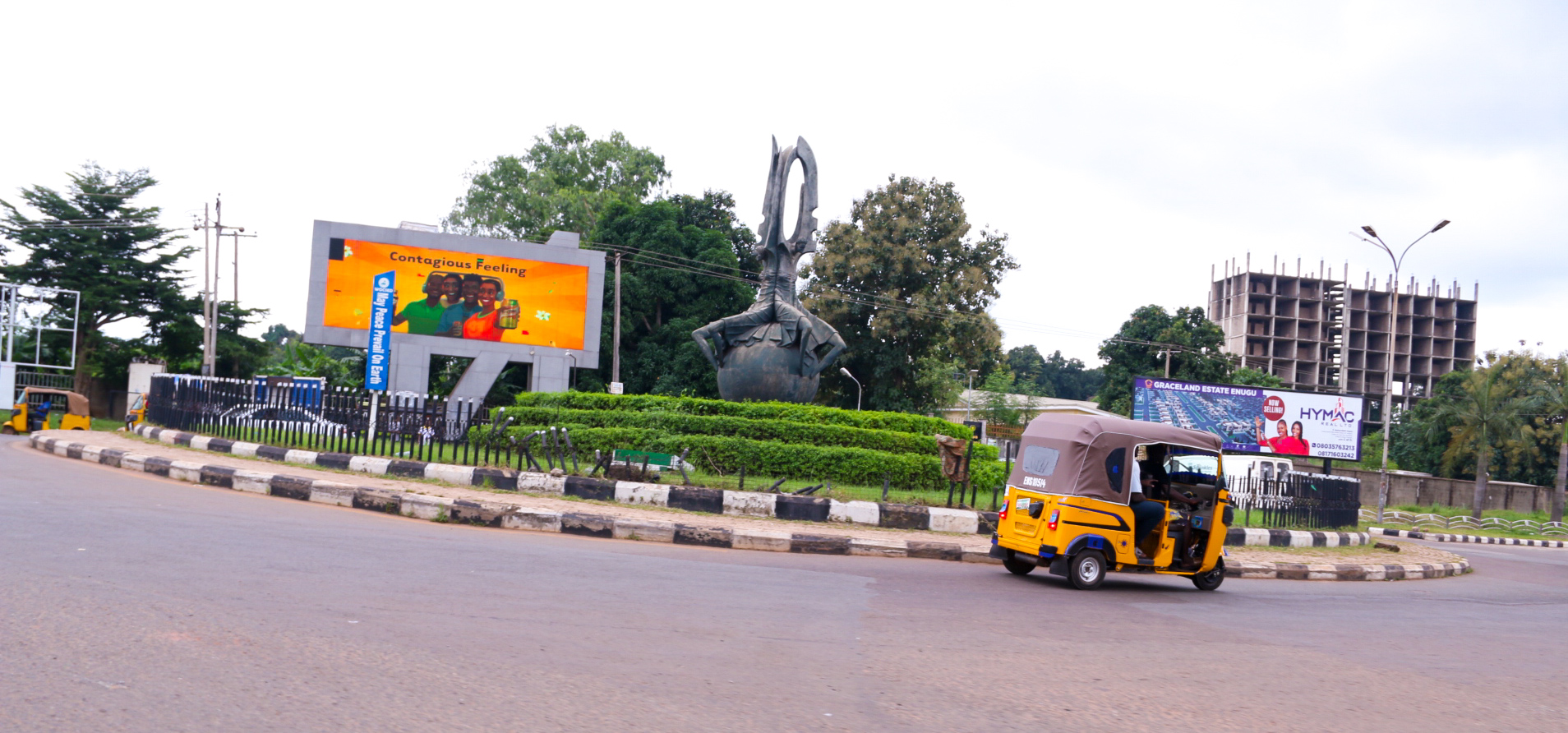
Transportation in and around Abakaliki is basically by road. There is no metro, tram or light-rail system to navigate, so your practical choices come down to buses, taxis and walking. The city has seen substantial infrastructural development in its urban centre in recent years, including road construction, shopping malls and market places, and trans-African Highway fly-over bridges at the Presco and Spera-in-Deo junctions. Those flyovers and improved roads make moving between the centre and the outskirts noticeably smoother than the older street network alone would suggest.
Because the city is a centre of agricultural trade in yams, cassava, rice, palm oil and palm kernels, and also hosts mining and quarrying activity for lead, zinc, salt and limestone, traffic around markets and transport hubs can be busy. Build a little slack into your plans when crossing town during peak trading hours.
Rail, Metro and Tram
There is no rail, metro or tram network serving Abakaliki. Visitors should not plan on trains or urban rail as a way of getting into or around the city. Road transport is the only practical option for both intercity travel and local movement.
Buses and Other Public Transport
Abakaliki is well served by Nigeria's major intercity road transport companies, several of which have terminals in the city. Notable operators with a presence here include GUO, which provides inter-city and interstate services; Nsik Motors (AKTC), which offers prompt, reliable, comfortable and affordable road transport; Peace Mass Transit Limited (PMT), which runs safe and reliable intercity and interstate routes; Tracas Limited (Transport Company of Anambra State), which operates air-conditioned buses to and from cities and states across the country; and Young Shall Grow Transport Limited.
For arrivals, the main interstate bus zones are the Afikpo Road, Ogoja Road, General Motor Park and Azuiyi Udene areas. Specific terminals you may encounter include the Ebotrans Bus Park at Azuiyi Udene, the GUO Transport Terminal, Ifesinachi Transport on Afikpo Road, Okeyson Investment Transport Park at 36 Afikpo Road, GIGM at 1A Ogoja Road, the TRACAS Abakaliki Park on Enugu–Abakaliki Road, Peace Mass Transit Terminal at 25A Afikpo Road, the General Motor Park on Ejiofor Street, the AKTC Park in the General Motor Park area, and the ITC Park. Knowing which park your operator uses will save you a lot of confusion on arrival, since they are spread across different parts of town.
Buses generally come in tiers. Regular buses are affordable, with comfortable seats, a luggage compartment and ventilation. Executive buses add air conditioning, extra legroom, better seats and fewer passengers. Luxury buses go further, with air conditioning, reclining seats, USB charging ports, television and spacious luggage compartments, usually with professional drivers. If you are travelling a long distance, the extra cost of an executive or luxury seat is often worth it.
Buying tickets is straightforward: you can purchase at company terminals, where you get instant booking, seat selection and staff assistance, and many companies also offer online booking through their websites or apps. It is worth booking a few days ahead, especially around Christmas, Easter, New Year and other festive periods, to secure your preferred seat and avoid peak fares. Arrive at the terminal at least 30 minutes before departure, and confirm the current fare with the company before paying, since fares move with fuel costs, road conditions and demand.
Taxis and Ride-Hailing
Taxis and other road transport services fill the gaps that scheduled buses leave, particularly for short trips within the city and for reaching your terminal or hotel. In practice, your hotel or guesthouse is often the best source of a reliable driver, and the city's many hotels are used to arranging local transport for guests.
Whatever you use, the standard travel precautions apply: stick to trusted operators, keep valuables close to you, label your luggage, charge your phone before you set out, carry drinking water, follow the driver's safety instructions, and let family or friends know your travel plans.
Walkability
Walking is a realistic option for short trips in the urban centre, especially around markets, malls and the central streets, and the ongoing road construction has improved the pedestrian experience in parts of town. That said, Abakaliki's climate deserves respect: the dry season is hot, muggy and partially cloudy, while the wet season is warm but overcast. Temperatures rarely fall below 14°C or rise above 33°C, typically fluctuating between 18°C and 32°C, and day length stays close to twelve hours year-round. In practice, that means planning walks for the cooler parts of the day, carrying water, and being ready to switch to a taxi when the heat or rain sets in.
Getting from the Airport into the City
Ebonyi State International Airport sits on the Abakaliki–Afikpo Express road, with flights beginning in July 2025. For international connections, Enugu International Airport (ENU) is one of the country's five international airports, and Abakaliki lies about 64 kilometres southeast of Enugu in the neighbouring state. Many travellers therefore fly into Enugu and complete the journey to Abakaliki by road.
Whichever airport you use, the final leg into the city is by road. Some intercity bus companies run direct services to Abakaliki, while others connect passengers via Enugu or nearby cities, so it is worth asking your operator which applies to your route. On arrival, head for one of the main bus arrival zones — Afikpo Road, Ogoja Road, General Motor Park or Azuiyi Udene — and from there take a taxi to your accommodation. If you are arriving late in the day, arrange your onward transport in advance through your hotel rather than relying on finding a bus at the park.
Practical Tips for Visitors
- Plan around road transport: there is no rail, metro or tram network in Abakaliki.
- Learn which motor park your bus uses before you travel — terminals are spread across Afikpo Road, Ogoja Road, General Motor Park and Azuiyi Udene.
- Book intercity tickets a few days ahead during festive periods, and arrive at the terminal at least 30 minutes before departure.
- Confirm fares directly with the transport company before paying, as prices shift with fuel costs and demand.
- Choose executive or luxury buses for long journeys if you want air conditioning, extra legroom and charging ports.
- Walk in the cooler hours and carry water; the dry season is hot and muggy and the wet season is overcast.
- Ask your hotel to arrange local taxis and airport transfers, especially for late arrivals.
- Keep valuables close, label your luggage, and share your travel plans with someone at home.