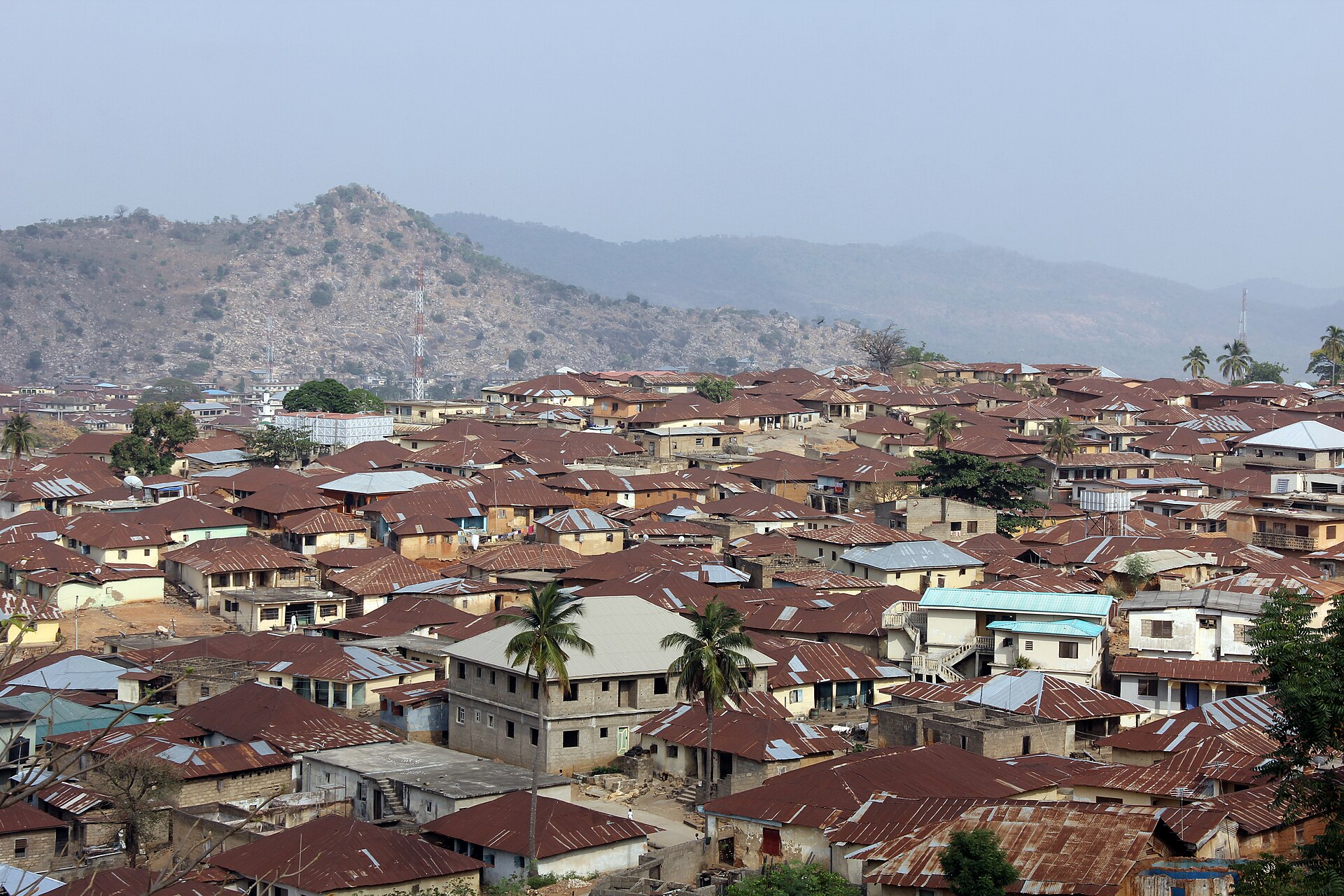
Getting Around Okene
Okene is a town in Kogi State, Nigeria, and the day-to-day transport picture here is the familiar Nigerian mix of shared vehicles, motorcycle taxis and tricycles rather than a formal urban transit network. The town sits along the A2 highway, which makes it easy to reach by road, and the Ebira language is widely spoken alongside English. If you are visiting, plan on arranging each trip as you go rather than relying on timetables or travel cards.
How Visitors Move Around the City
Public and private mass transit is the norm across Nigeria, and Okene is no exception: taxis, buses, motorcycles and tricycles are all part of the everyday mix. For a visitor, the practical approach is to use short-hop vehicles for local errands and to agree your destination and fare before setting off. Traffic in Nigerian cities can look chaotic to a newcomer but generally functions efficiently once you have had a day or two to adjust.
- Motorcycle taxis (okada): Known as okada in most of the country and as achaba in the north, these are found almost everywhere and are based at dedicated spots on neighbourhood streets and main roads. Riders usually wear uniforms that vary by state, most commonly a short-sleeved reflective jacket. Some wait in ranked queues; others compete for passengers, especially at rush hour. To hail one, approach a driver or flag down a rider without a passenger and state your destination. Helmets are mandated by the Federal Road Safety Corps but enforcement is poor.
- Tricycles (keke): These complement okadas in many cities and are generally considered safer. They are best for short rides of under about half an hour, and they are often the only option inside private estates and gated residences where okadas are banned.
- Drop: For short distances, solo travellers or small groups can hail a private cab or keke by waving and saying "drop". Drivers cruising for fares can be flagged down the same way.
- Licensed cabs: All commercial vehicles in Nigeria carry red licence plates. Cab colours vary by state, so don't rely on colour alone to judge whether a vehicle is licensed.
Rail, Metro and Tram Network
Okene itself has no metro or tram system, and there is no urban rail network within the town. The rail option that matters for visitors is inter-city: the Nigerian Railway Corporation runs a line linking Kogi with Abuja and Kaduna, with trains arriving at and departing from Itakpe. From Itakpe station you can easily pick up a taxi or bus onward to Okene.
Nationwide, the federal government has been rebuilding rail after decades of abandonment, and a small number of lines are in daily use, including the Itakpe–Warri route. Trains on these routes are new, air-conditioned and punctual, and journeys take roughly a few hours. Three classes are offered — Economy, First Class and Sleeper — and tickets must be booked in person at the station. Schedules and current fares are published on the Nigeria Railway Corporation website, so check there before you travel.
Buses and Other Public Transport
For reaching Okene from elsewhere in Nigeria, long-distance buses are the mainstay. You can travel to Kogi State by bus from major cities including Abuja, Lagos, Benin, Kano and Port Harcourt. Operators such as ABC Transport (which runs air-conditioned luxury buses), God is Good Motors (GIGM), Big Joe Motors, Chisco Transport (CTN) and Young Shall Grow provide services from other parts of the country into Kogi State.
Within and around Okene, minibuses and shared cars handle daytime local and inter-state journeys, while coaches tend to run overnight for the longest trips. There is no city-wide bus pass or transit card in Okene — the only scheme of that kind in Nigeria is Lagos's Cowry Card, which works on Lagos's BRT corridor, scheduled ferries and light rail, and is not relevant here. In practice you pay per trip, in cash, as you board or as agreed with the driver.
Taxis and Ride-Hailing
Taxis are widely available and are one of the simplest options for a visitor who wants a door-to-door trip without negotiating a shared vehicle. As noted above, licensed commercial vehicles carry red plates, and cab colours differ from state to state.
Ride-hailing apps such as Uber and Bolt operate in many Nigerian states, and fares per mile are generally cheaper than traditional cabs, especially outside Lagos. Availability in a given town can vary, so it is worth opening the app when you arrive to see whether drivers are active in Okene before you count on it. If ride-hailing is not available, fall back on street-hailed taxis, keke or okada.
Walkability
Walking is possible for short local trips, but it is not the primary way people get around Okene, and there is no dedicated pedestrian or cycling infrastructure to speak of. Nationwide, there are no dedicated bicycle lanes anywhere, including in Abuja, and bicycle use is mostly a weekend activity in light traffic. Accessible transport for travellers with disabilities is virtually non-existent across Nigeria; even the closest thing to accessible provision — the BRT in Lagos — has problems with designated seats being occupied and wheelchair ramps falling into disrepair. Visitors with mobility needs should plan on using taxis or private cars rather than relying on public transport or on walking long distances.
Getting from the Airport into the City
Okene has no airport of its own, so the practical air gateway is Nnamdi Azikiwe International Airport (ABV) at Abuja. International flights there are offered by several airlines, notably Lufthansa, KLM and British Airways; travellers arriving from the United States can use Delta Air Lines' direct flight from New York JFK, and many visitors connect through Lagos.
From Abuja, the onward journey to Okene is by road or rail:
- By road: Take a long-distance bus from Abuja to Kogi State with one of the operators listed above, or arrange a taxi or private car. Okene lies along the A2 highway, which makes it straightforward to reach by road.
- By rail: Travel to Itakpe, where the inter-city line serving Kogi, Abuja and Kaduna arrives and departs. Buy your ticket in person at the station, then take a taxi or bus from Itakpe station to Okene.
Whichever option you choose, allow for the fact that domestic flights in Nigeria are relatively cheap but delays are common — the first flights of the day are the ones most likely to depart on schedule, so an early departure is a safer bet if you are connecting onward the same day.
Practical Tips
- Agree your fare and destination before you set off, whether you are in a taxi, keke or okada.
- Carry cash for local transport; there is no transit card system in Okene.
- Book rail tickets in person at the station, and check the Nigeria Railway Corporation website for schedules and fares.
- Use keke rather than okada if you prefer the safer option for short trips, and note that okada may be barred from gated estates.
- Check ride-hailing apps on arrival to see whether drivers are active locally before relying on them.
- If you have mobility needs, arrange taxis or a private car in advance rather than depending on public transport.