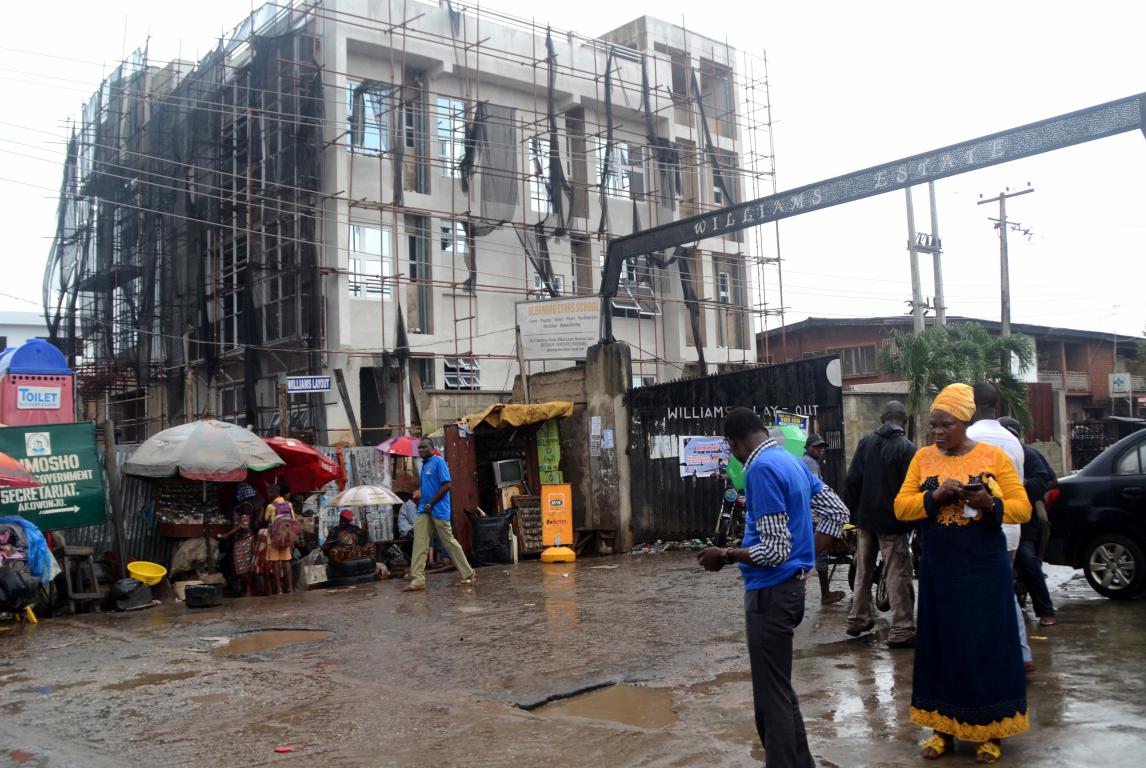
Getting Around Alimosho
Alimosho is a large, densely populated part of Lagos State, made up of several sub-areas including Agbado/Oke-Odo, Ayobo/Ipaja, Egbe/Idimu, Ikotun/Igando, Mosan Okunola and the urban area of Egbeda/Akowonjo. It is a busy, commercial, predominantly Yoruba-speaking area, and the practical reality of moving around it is that road transport dominates. There is no rail, metro or tram network serving Alimosho, so visitors should plan their journeys around buses, cars and ride-hailing apps.
How Visitors Move Around
The common means of transportation within Alimosho is the bus. You can get a bus at any bus-stop easily, and this is how most people move around the area. Roads in the town are generally described as good, so travelling by car is also a straightforward option. Ride-hailing services such as Uber and Bolt can take you anywhere in the town, and they are also a way of getting in from elsewhere in Lagos.
Two important practical caveats apply to the wider Lagos transport picture:
- Lagos public transport is chaotic and inefficient, especially at rush hour, and the city suffers chronic traffic congestion. Avoid travelling during rush hour if you can.
- Bicycles are not allowed in Lagos State, so cycling is not an option for getting in. Within Alimosho you can ride a bike for short journeys, but it is considered very risky.
Rail, Metro and Trams
Nigeria does have long-distance rail routes — for example the Lagos–Kano line via Ibadan, Oyo, Ogbomosho, Kaduna and Zaria, and the Port Harcourt–Maiduguri line via Aba, Enugu, Makurdi and Jos — with daily services on both main routes. These trains are slower and less reliable than buses but cheaper, and they offer three classes, with sleeping cars bookable in advance; some trains have restaurant cars and air conditioning. None of this, however, is a way of getting around Alimosho itself.
Buses and Other Public Transport
Buses are the backbone of movement in and around Alimosho.
- Getting in by bus: You can get in from any part of Lagos, and several public transport services ply the route. The closest place you can get a bus to the area is from Iyana-Ipaja.
- Longer-distance buses: GIGM Buses operate from the Ikotun Terminal at 29 Ikotun Road, Ikotun (opposite Ikotun LG, Ikotun Bus Stop), offering longer-distance air-conditioned bus services.
- Getting around by bus: Within Alimosho, you can get a bus at any bus-stop easily, and this is the common means of transportation.
- Wider Lagos: Lagos has many private bus companies and several thousand private minibuses. "Bush taxis" (Ford Transit vans) and buses run between main towns.
- Ferries: Metro Ferry runs daily services around Lagos, including a service to Lagos Island. These are useful for other parts of Lagos, not for Alimosho itself.
Taxis and Ride-Hailing
Ride-hailing is the simplest option for visitors who want a predictable door-to-door trip. You can get Uber or Bolt to take you to Alimosho from anywhere in Lagos, and you can also take Uber or Bolt to anywhere in the town.
If you use conventional taxis, keep the following in mind:
- Lagos taxis are yellow.
- Fares and tips should be agreed in advance; metered fares can be extremely high.
- Easy Taxi operates in Lagos. Taxis can be hailed in the street, but calling ahead is advised in major urban areas.
Walkability
Walking is viable only for short distances in Alimosho. You can walk short distances in the area, but it is not a practical way to cover the ground between the different sub-areas, and it is not a substitute for buses or cars for anything beyond a local errand.
Getting from the Airport into the City
What it does establish is the general pattern for reaching Lagos and then continuing onward:
- You can get into Alimosho from any part of Lagos by bus, with several public transport services on the route; the closest place to pick up a bus to the area is Iyana-Ipaja.
- You can take Uber or Bolt to Alimosho from anywhere in Lagos, which is the most direct option for a visitor arriving with luggage.
- GIGM Buses at the Ikotun Terminal provide longer-distance air-conditioned services if you are continuing beyond Lagos.
On domestic flying within Nigeria more generally, note that domestic aviation is unreliable, with delays common and cancellations at short notice; Arik Air is among the more reliable internal airlines, and charter flights are available from Aero in Lagos. Domestic flights are expensive. Long-distance coach services such as ABC Transport and Greener Line are much cheaper than flying, though comfort varies.
Practical Tips for Drivers
If you plan to drive yourself or hire a car:
- Hiring a car with a driver is best for safety, insurance and bureaucracy. Avis operates in Lagos, and hotel-recommended local firms are another option.
- Drive on the right side of the road; an International Driving Permit is required.
- Seat belts are compulsory for the driver and front-seat passengers, though not all vehicles have rear belts.
- Speed limits are 50kph in built-up areas, 80kph on highways and 100kph on expressways.
- There is no national breakdown service; use independent services.
- Traffic police regularly ask for bribes.
- Roads are extensive but poor outside major cities, and secondary roads can be impassable during the rains. Traffic is a serious problem in Lagos, and road safety is a major cause of loss of life.