Getting Around Nacala
Nacala is a port city on Mozambique's northern coast, and it functions as a working town as much as a tourist destination. The practical upshot: plan on taxis, negotiated fares, and your own two feet for most local movement, and treat rail and ferry as ways of reaching Nacala or exploring beyond it rather than as city transit.
Rail: A Corridor, Not a Metro
Nacala is the terminal of the Nacala railway, which runs inland to landlocked Malawi and links up with the Central East African Railway there. The line is part of the broader Nacala Corridor, a development corridor connecting Malawi, Zambia and Mozambique to the port. Mozambique's rail network as a whole consists of east–west routes serving the ports, with no north–south rail route, so the railway is not a way to move around the city or along the coast.
For visitors, rail is relevant in two ways. First, it explains the freight traffic and port activity you will see. Second, passenger services on northern routes are described in travel sources as including trains from Nacala via the Monapo rail junction toward Lichinga and Nampula. Treat these as long-distance, infrequent connections rather than commuter services, and confirm schedules locally before relying on them.
- There is no metro or tram network in Nacala; the railway is a freight-oriented corridor to the interior.
- Passenger rail, where it runs, is a long-distance option toward Nampula and beyond, not urban transit.
- Verify any train times and ticketing in person, since published information is sparse and services can change.
Buses and Other Public Transport
Mozambique's bus network covers major cities and towns, with at least one service daily on many routes. Buses are generally described as cheap and reasonably punctual but uncomfortable, with breakdowns common, and long-distance departures often leave very early in the morning. Buses operate mainly between major towns where roads are in good condition; in rural areas, people rely on converted passenger trucks, chapas (chapa-cems) and trucks (camions).
For getting around Nacala itself, expect informal minibus-style transport and shared vehicles rather than a formal city bus network with published routes and passes. There is no documented ticket or pass system for Nacala, so pay the conductor or driver directly, in cash, and ask locals or your accommodation about current routes and going rates before you set out.
- Intercity buses connect Nacala with other major towns; book or arrive early, as departures can be at dawn.
- Within town and to nearby settlements, chapas and shared trucks are the common fallback where buses do not run.
- Buy tickets on board or at the departure point; there is no citywide pass to purchase.
Ferries Along the Coast
Ferry services run along the Mozambican coast and are more frequent in the north, with regular services documented between Quelimane, Nacala and Pemba. This makes the ferry a genuine option for coastal travel to and from Nacala, though it is a regional connection rather than a way of crossing the bay locally. If you plan to use it, confirm departure days and times locally, as northern ferry schedules are not reliably published.
Taxis and Ride-Hailing
Taxis operate in many Mozambican cities, including the larger centres. Meters are generally not used: fares are negotiated before departure and paid at the destination. In Maputo, cabs charge a flat rate around the city centre with higher fares by distance, which gives a sense of how pricing works elsewhere.
- Negotiate the fare before you get in, and pay at the end of the trip.
- Carry cash in small notes; meters and card payments should not be assumed.
- Ask your accommodation to arrange a trusted driver for airport runs and late trips.
Walking and Driving
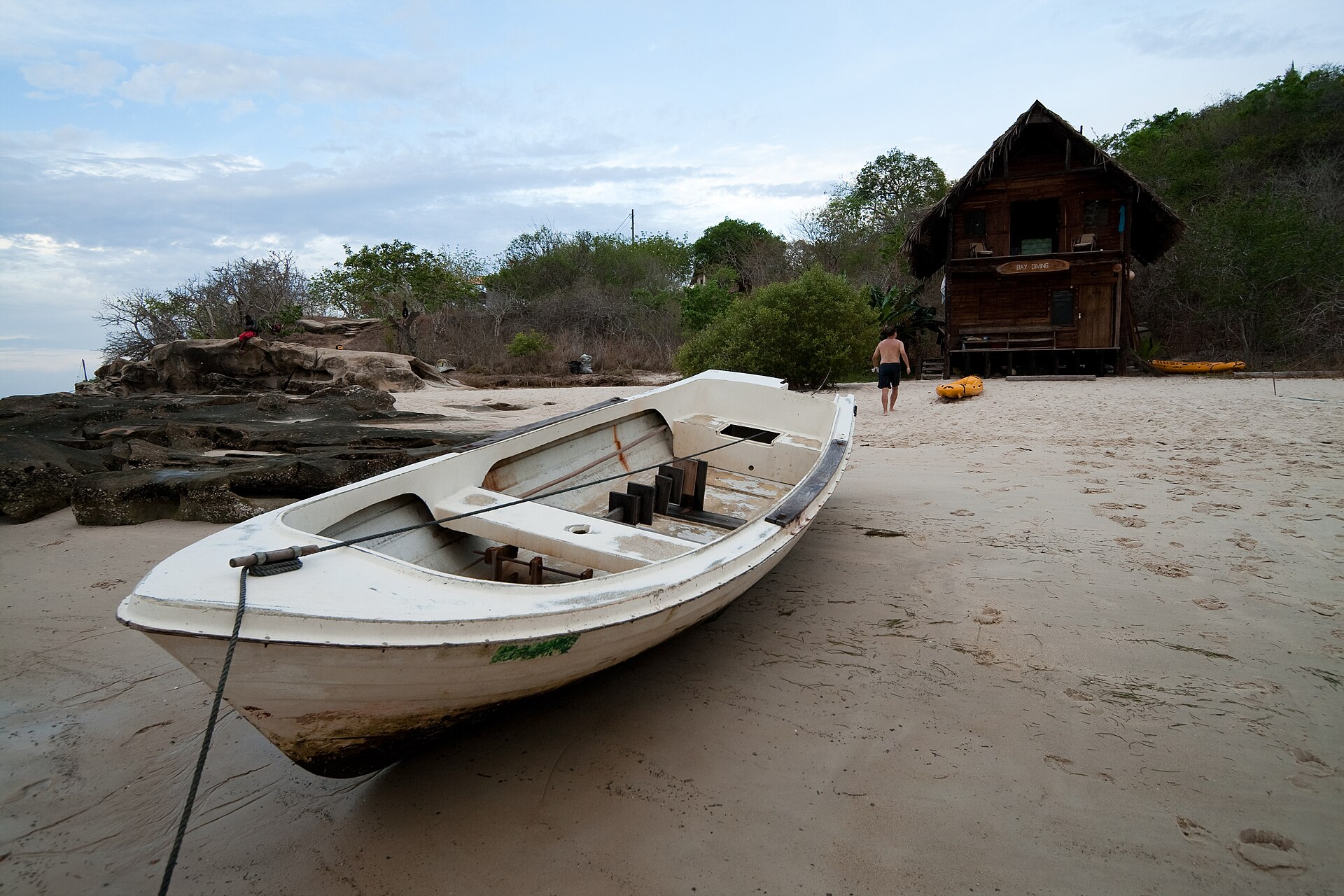
Nacala is known for its beaches and scuba diving, and walking is a sensible way to cover short distances in the central areas and along the waterfront. Beyond the centre, distances stretch out and pavements may be limited, so combine walking with taxis. If you plan to drive yourself, note that traffic keeps left, a 4×4 is essential in many parts of the country, and potholes are the main road hazard alongside roadblocks, unlit vehicles at night and livestock. Carry your licence, vehicle registration, temporary import papers and warning triangles, and wear seatbelts. Car hire is available in most major towns but should be booked in advance, and the petrol station network is generally good outside game reserves.
Getting From Nacala Airport Into the City
Nacala Airport is a former airbase that has been converted into an international airport. Agree the fare before departure, as meters are not the norm, and consider asking your hotel to send a driver if you are arriving late or for the first time. Because the airport began life as a military airbase, do not assume a dense layer of public transport at the terminal; have a plan in place before you land.
- Arrange a hotel transfer or pre-book a car where possible.
- If you take a taxi from the terminal, settle the price before leaving.
- Keep local currency on hand for the fare.
Practical Tips
- Cash is king for chapas, taxis and informal transport; do not count on card readers.
- Confirm long-distance bus, train and ferry times locally, since published schedules are unreliable.
- Allow extra time for any journey: breakdowns and road conditions are common features of travel in Mozambique.
- If you want to explore beyond Nacala, Mozambique Island to the south is a World Heritage Site and former capital, and Nacala-a-Velha lies across the bay; both are best reached by road with a arranged vehicle.