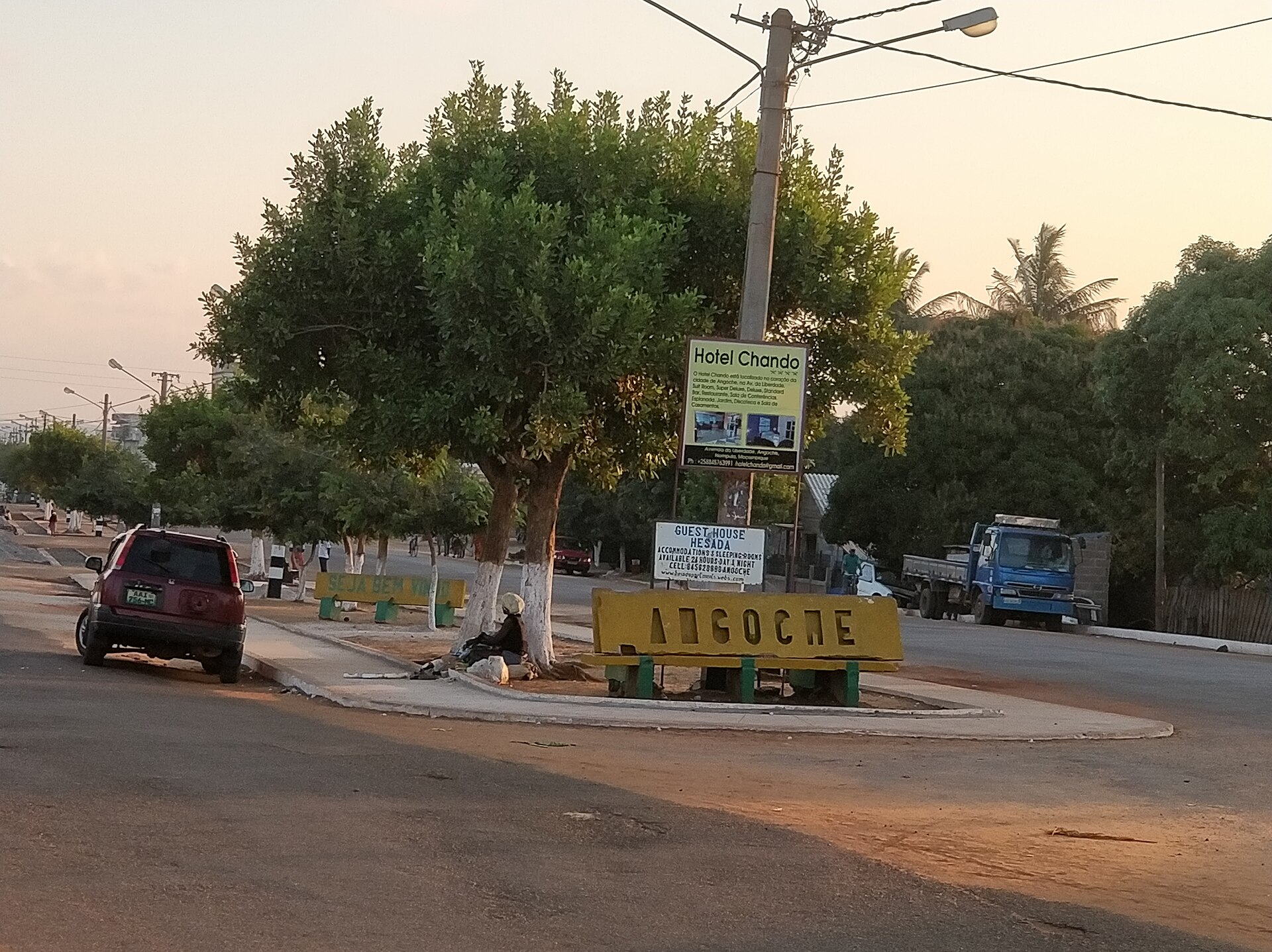
Getting Around Angoche
Angoche is a coastal city and municipality in Nampula Province, in north-eastern Mozambique, sitting on the Indian Ocean with an offshore archipelago. It is a relatively compact place, and much of a visitor's day-to-day movement happens on foot or in small local vehicles. The notes below cover the practical options: walking, motorcycle taxis, chapas and coaches, private transfers, boats, and how to reach the city from the nearest major airport.
Orientation and Walkability
The town centre and the beach areas are walkable, which makes them the easiest parts of Angoche to explore without arranging transport. The central market, the mosque area with its old mosques and coastal architecture, and the waterfront are all within the sort of range you can cover on foot.
Beyond the town itself, the picture changes. Surrounding villages and more distant spots require local transport rather than walking. If you plan to visit communities outside the urban core, expect to arrange a ride.
As with any unfamiliar town, routine caution is advised. Occasional petty crime occurs, and it is best to avoid isolated beaches at night.
Rail, Metro and Tram
There is no regular passenger rail service to Angoche. Mozambique's rail network serves other corridors, and what passenger service exists is limited and oriented elsewhere. There is likewise no metro or tram network in the city. For a visitor, rail is simply not a relevant option for reaching or moving around Angoche.
Buses, Chapas and Other Public Transport
Road is the primary public access method for Angoche, and minibuses known as chapas are the mainstay of local and intercity public transport.
- Chapas: Low-cost and frequent, but often crowded, with variable schedules and a basic level of service. They connect Angoche with Nampula and neighbouring towns.
- Coaches and private shuttles: More expensive than chapas but offer better seating and luggage handling. These are booked through local operators.
- Journey times: The run between Nampula and Angoche typically takes several hours, varying with the route taken and road conditions.
Because schedules are variable, it pays to confirm departure times locally rather than relying on a fixed timetable. For longer intercity legs, the coach or shuttle option is worth the extra cost if you are carrying luggage.
Taxis, Motorcycle Taxis and Private Transfers
Taxis and private 4x4 transfers offer door-to-door service and are faster than buses, but significantly more expensive. Negotiate the rate in advance before setting off.
Motorcycle taxis are common within Angoche and in nearby communities, and are a good choice for short trips. They are inexpensive, but offer limited luggage capacity and little protection from the weather.
For visitors arriving with bags or heading to a specific guesthouse, a private transfer arranged in advance removes much of the uncertainty of arrival-day transport.
Boats and Coastal Transport
Local boats are used for coastal transport and for reaching fishing communities, and they are also the way to get out to Angoche Island and to explore the mangrove trails and river estuary. Boat availability is seasonal and depends on tides and weather, so plans should stay flexible.
Before committing to a boat trip, confirm safety arrangements and prices locally. During the rainy season, storms disrupt marine activities and coastal road travel, so build slack into any itinerary that depends on the water.
Getting There from the Airport
Angoche has no regular scheduled flights. The nearest major airport is Nampula Airport (APL), and most visitors fly there and continue overland.
- By chapa: The cheapest option, connecting Nampula with Angoche by road. Expect crowding and variable departure times.
- By coach or private shuttle: Booked through local operators, with better seating and luggage handling than chapas.
- By taxi or private 4x4 transfer: Door-to-door and faster, at a significantly higher cost. Agree the fare in advance.
The overland leg typically takes several hours depending on route and road conditions. If you want upscale accommodation, note that Angoche itself has no luxury options; the practical approach is to base yourself in Nampula for that, and treat Angoche as a trip out.
Timing Your Visit
Travel around Angoche is easier in the dry season, from May to October, when conditions are calmer and coastal road travel is more straightforward. The rainy season, from November to April, brings storms that disrupt both marine activities and coastal roads. If your plans involve boats or the more outlying villages, the dry months are the safer bet.