Getting Around Xai-Xai
Xai-Xai is a compact provincial capital on the Limpopo River, close to the Indian Ocean, and most of what a visitor wants to see sits within the built-up town or a short trip out to the coast. The town itself is busy and well supplied with the things travellers need day to day: markets, shops, restaurants, bars, petrol stations, banks and a post office. Getting around is mostly a matter of walking in the centre and arranging road transport for the beach and anything further afield.
On Foot
Walking is the natural way to cover the central part of Xai-Xai. The town centre is where the market, shops, banks, restaurants and bars are clustered, and the central market area is easy to explore on foot — a few blocks away you can even find an open-air furniture factory set up beneath several cashew trees. Distances within the town are short enough that most visitors will not need a vehicle for everyday errands.
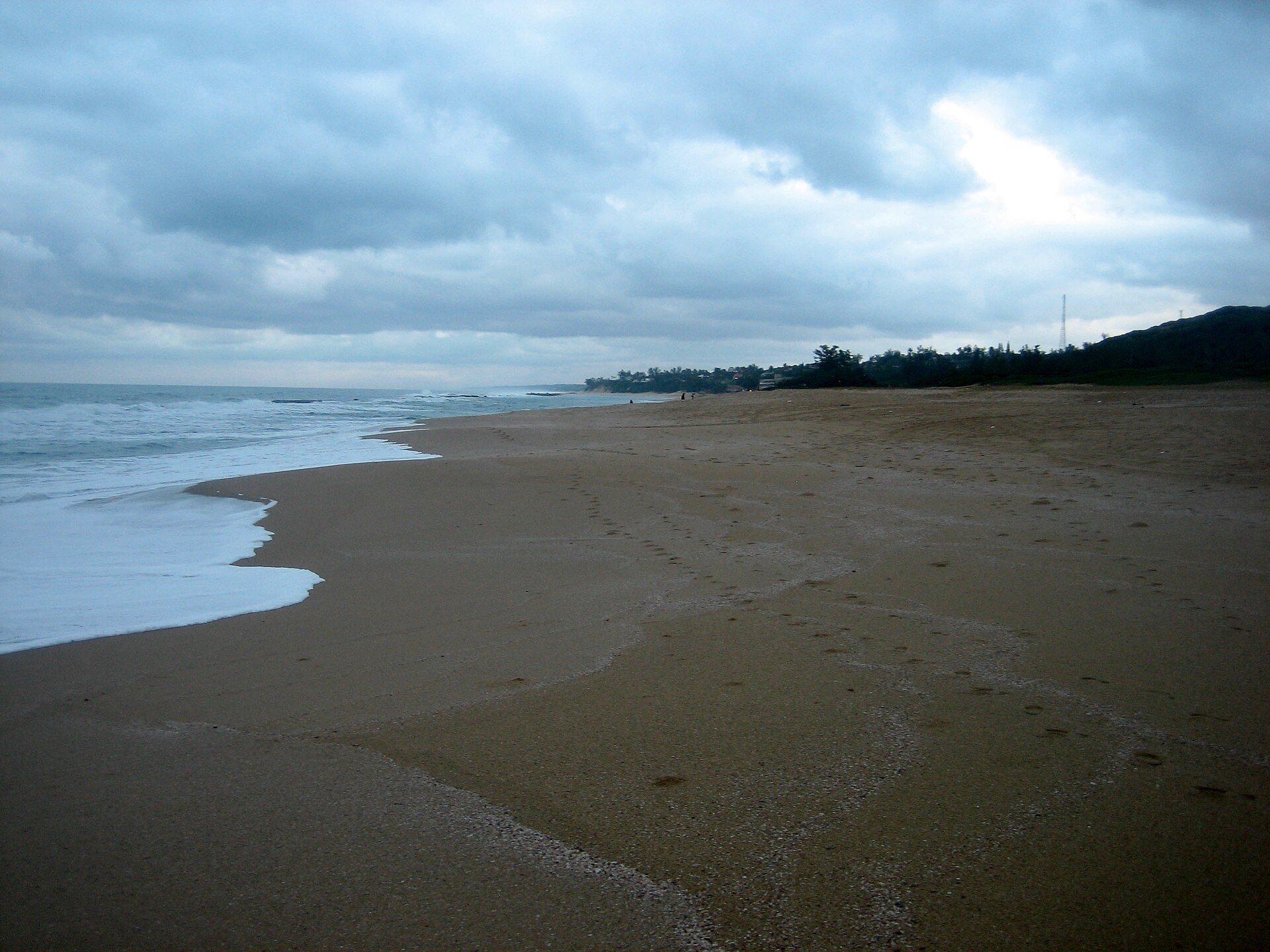
The main exception is the beach. Xai-Xai Beach lies outside the town proper, so you should plan on a vehicle to reach it rather than walking. Once there, the beach itself rewards a slow wander: a coral reef runs parallel to the shore, sheltering it from strong waves, and a giant rock pool forms at medium and low tides, creating a large, safe pool that is good for families and swimmers. Further south, the Wenela Tidal Pool is another spot worth seeking out, with a natural tunnel and blow hole connecting it to the Indian Ocean.
Rail, Metro and Trams
There is no metro or tram network in Xai-Xai, and no passenger rail service for visitors to use. Historically the city was served by the narrow-gauge Gaza Railway, which ran to Manjacaze and beyond, but this is a matter of past infrastructure rather than a current option for getting around. Plan your movements around road transport instead.
Buses and Other Public Transport
Xai-Xai sits on the EN1, the main road running along the northern side of the Limpopo river, and this is the artery that connects the city with the rest of southern Mozambique. The EN1 links up with the roads from the Namaacha and Ressano Garcia border crossings, which is how most overland travellers arrive from South Africa and Eswatini.
For practical purposes, the road network — rather than any formal urban bus or metro system — is what moves people around the region. If you are travelling between towns, the EN1 is the route you will use, and the city is an easy drive from Maputo. Note that there is a toll gate just before entering the town at the bridge; the toll is a small charge for cars, so keep some local currency handy if you are arriving by road.
Taxis and Ride-Hailing
The most reliable approach for a visitor is to organise transport through your accommodation or a local contact, particularly for trips out to Xai-Xai Beach and the Wenela Tidal Pool, which sit away from the town centre. Agree on the fare and the return arrangement before you set off, since you will not want to be stranded at the coast.
Getting There from the Airport
Xai-Xai Chongoene Airport was inaugurated in 2021 and is served by a single airline, LAM Mozambique. If you are flying in, LAM is the carrier to look at for scheduled service.
There is also a long-standing alternative for reaching the city by air: it is possible to travel to Xai-Xai by charter flight from Maputo. This can suit travellers who want more flexibility than the scheduled service offers, or who are combining a stay in the capital with a trip north.
Practical Tips
- Base yourself in the town centre if you want to walk to markets, shops, banks and restaurants.
- Plan a vehicle for Xai-Xai Beach and the Wenela Tidal Pool — they are not within walking distance of the centre.
- Carry small amounts of local currency for the toll gate on the EN1 just before the bridge into town.
- If arriving by air, LAM Mozambique serves Chongoene Airport; arrange your transfer into the city ahead of time.
- Charter flights from Maputo are another option if scheduled service does not fit your plans.
- Check tide times before heading to the beach if you want to enjoy the giant rock pool, which forms at medium and low tides.