Orientation
Seri Manjung is the district capital of Manjung District in Perak, Malaysia, and sits close to Lumut and next to Sitiawan to the north. Because it is a small administrative and commercial town rather than a tourist hub, the practical picture for a visitor is simple: local public transport is limited, most people get around by private car or with the help of friends and family, and the main transport node is a small combined bus and taxi station in the town centre.
How Visitors Get Around Town
There is no light rail, metro or tram network in Seri Manjung, and no train station serving the town. Getting around is done on foot for short trips, by taxi, or by private vehicle. Locals typically rely on family or friends for drop-off and pickup, so if you are visiting independently, plan your days around a small number of clustered stops rather than expecting frequent local services.
- On foot: Practical for the town centre, where the bus and taxi station, shops and eateries are close together.
- Taxi: Taxis may be available, and there is a small taxi service counter building at the bus station.
- Private car or lift from a local: The most common way residents and visitors cover longer trips, including links to Lumut and Sitiawan.
Rail, Metro and Trams
None of these modes serve Seri Manjung. There is no rail, metro or tram network in the town, so do not plan an itinerary that depends on catching a train locally. For longer journeys within Malaysia, you will need to arrange road transport to a larger town or city first.
Buses and Public Transport
The town's bus provision centres on Seri Manjung Bus Station, locally known as Stesen Bas dan Teksi Seri Manjung. It sits in the centre of town, in front of the Seri Manjung Post Office and near Manjung Stadium. It is a small station handling express bus departures and arrivals, and tickets can be booked online through BusOnlineTicket as well as arranged at the station.
Facilities at the station are modest but useful while you wait:
- Small shops selling drinks and snacks
- Passenger seating in front of the bus platform
- Toilets, possibly for a small fee
- A surau (prayer room) for Muslim travellers
- A small taxi service counter building
Beyond the express buses, public transport within the town is limited. If your goal is Pangkor Island, note that tourists typically travel via Lumut, where the ferries depart, rather than treating Seri Manjung as the jumping-off point.
Taxis and Ride-Hailing
Taxis may be available in town, and the taxi counter at the bus station is the most obvious place to enquire. Ride-hailing is not described in the available information, so treat it as uncertain and have a taxi or a pre-arranged lift as your fallback, especially for early departures or late arrivals.
Walkability
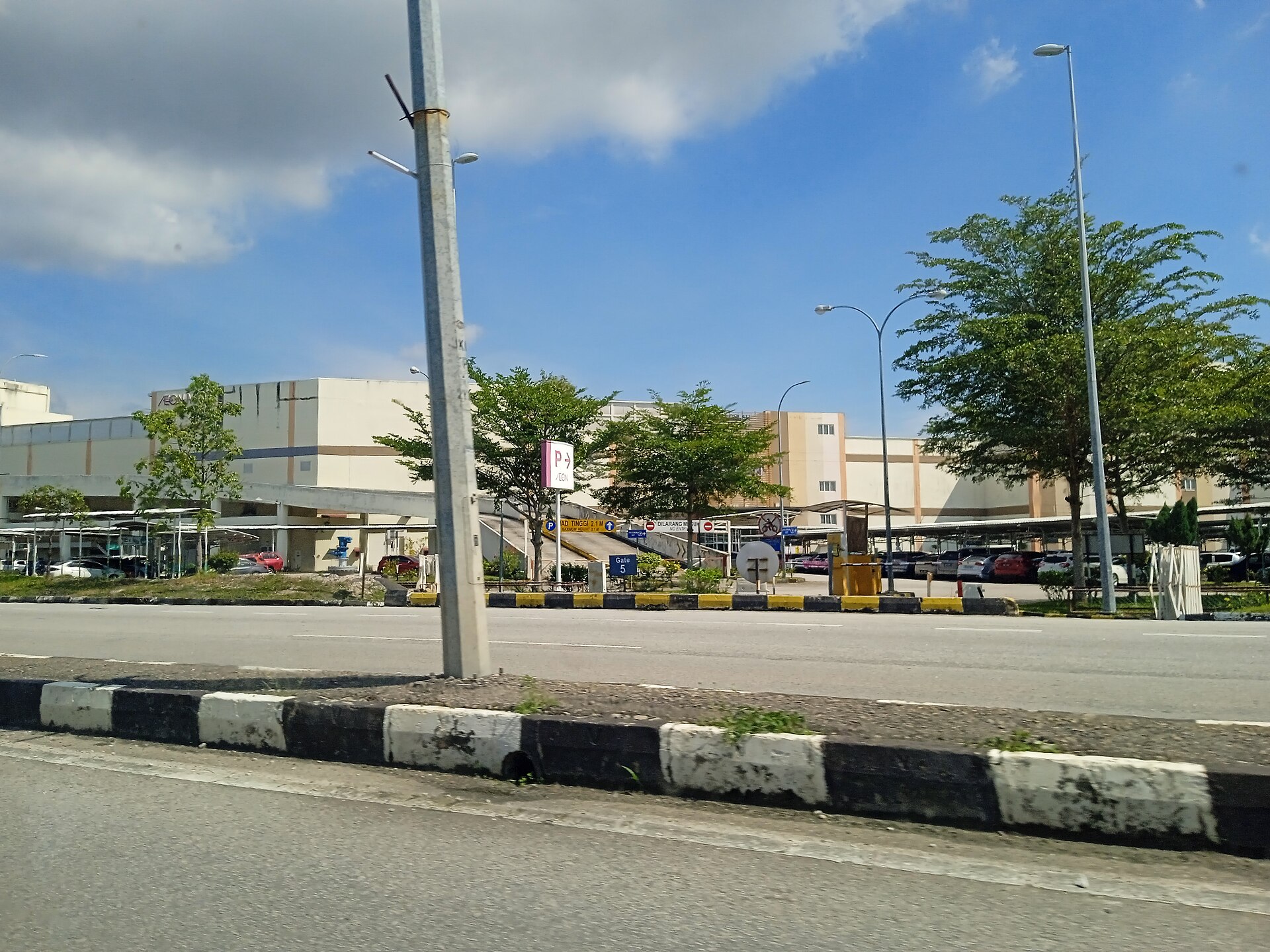
The compact centre makes walking the sensible choice for short errands: the bus and taxi station, the post office, Manjung Stadium and nearby shops are all within easy reach of one another. Outside the centre, the town spreads out and the practical facilities — including Hospital Seri Manjung, ÆON Seri Manjung, Lotus's and TF Value Mart — are better reached by car or taxi than on foot.
Getting In from the Airport
The available information does not identify an airport serving Seri Manjung or describe any airport-to-town transfer service, so no specific airport route can be recommended here. What can be said is that the town's main arrival point for long-distance public transport is the central bus station, which handles express buses and can be booked online in advance. If you are flying in, arrange your onward road transfer — taxi, pre-booked car or a lift from a local contact — before you travel, since local public transport options are limited and locals themselves usually depend on family or friends for pickups.
Practical Tips
- Book express bus tickets online ahead of time, particularly around holidays.
- Carry small change for toilets and snacks at the bus station.
- Use Lumut, not Seri Manjung, as your base for Pangkor Island ferry connections.
- Keep taxi contact details handy, as on-demand options are thin on the ground.