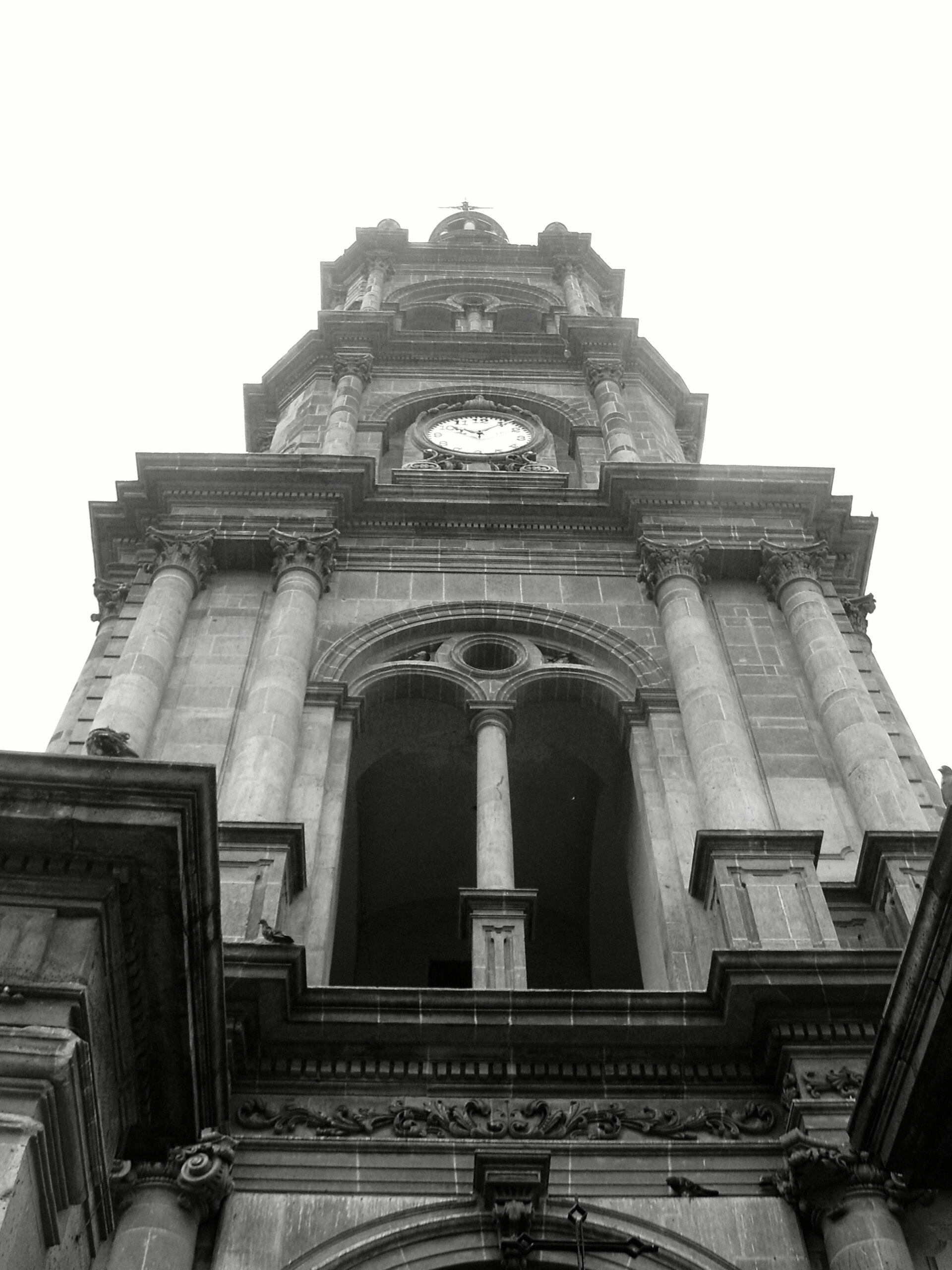
Understanding Salamanca, Mexico
Salamanca is a city in the state of Guanajuato, Mexico, known in the Otomi language as Xidoo, meaning "Place of Tepetate." It sits roughly midway between Mexico City and the Bajío region, which makes it a practical stop for travelers moving through central Mexico. The city is compact enough that most visitors rely on a mix of walking, local buses, and taxis to get around.
Getting Around the City
Salamanca is not too big to see on foot, especially the main attractions, which are all quite close to one another. For slightly longer journeys, taxis and numerous bus routes are available. Bus tickets are cheap, and you can buy them directly from the driver on board.
Rail, Metro, and Tram
Salamanca, Mexico does not have a metro, tram, or passenger rail network that visitors can use to move around the city. Intercity travel to and from Salamanca is handled by long-distance buses and by road, not by train. If you are arriving from another city, plan on using a bus or a car rather than rail.
Buses and Public Transport
Local city buses are the main form of public transport within Salamanca. Tickets are inexpensive and can be purchased directly from the driver when you board, so you do not need to hunt for a ticket office or a reloadable card before your first ride.
For longer journeys into and out of Salamanca, intercity buses are the primary option:
- From Mexico City: Direct buses depart from the Terminal Central de Autobuses del Norte (Mexico City's northern bus terminal) to Salamanca station. The trip takes about 3 hours 40 minutes, with fares roughly in the $27–60 USD range. Services run about once daily to every three hours depending on the operator, with roughly 119 weekly buses. Primera Plus runs the direct route, and three other operators also serve it.
- Via Querétaro: A cheaper option is to travel from the northern terminal to the Terminal de Autobuses de Querétaro (Acceso 3) and then onward to Salamanca. This route takes about 5 hours 55 minutes and costs roughly $27–60 USD.
Primera Plus can be reached at +52 477 710 0060 or via primeraplus.com.mx.
Taxis and Ride-Hailing
Taxis are a convenient option for slightly longer journeys within Salamanca, and you can find a few taxi ranks around the city. You can also use the app called Pide Taxi to call a cab. Passengers pay with cash at the conclusion of the ride, so keep some pesos on hand.
For long-distance taxi travel, including from Mexico City, expect a trip of roughly 3 hours 23 minutes and costs in the $130–160 USD range. Operators serving this kind of route include:
- Seguritaxi Londres Sitio 166 — +52 55 5207 5910
- Servitaxis Sitio 152 — +52 55 5516 6020
- Taxi Mex — +52 55 6250 7457
- Taxi Seguro Murano — +52 55 8256 5544
Walkability
Salamanca is a walkable city for the main attractions, which are clustered close together. If your plans are centered on the town itself, you can cover most of what you want to see on foot. For anything farther out, the local bus network and taxis fill the gap.
Getting from the Airport into the City
Salamanca does not have a major international airport of its own serving regular visitor traffic. The practical approach is to fly into a larger regional or national hub and continue overland:
- From Mexico City: Fly into Mexico City, then take a direct Primera Plus bus from the Terminal Central de Autobuses del Norte to Salamanca (about 3 hours 40 minutes), or connect via Querétaro (about 5 hours 55 minutes). Five buses per day start from Mexico City Airport terminals T4 and T1, which lets you connect straight from your arrival without crossing town to the northern bus terminal.
- By road: Driving from Mexico City takes about 3 hours 23 minutes, with costs of roughly $31–44 USD.
Because Salamanca sits on well-connected highways, the overland leg from a major airport is straightforward by bus, taxi, or rental car.
Practical Tips
- Carry cash for local buses and taxis — bus fares are paid to the driver, and taxi fares are settled in cash at the end of the ride.
- Use the Pide Taxi app if you prefer to summon a cab rather than find a rank.
- Book intercity buses in advance during busy periods, since some routes run only about once daily.
- If you are coming from Mexico City Airport, look for the buses departing from T4 and T1 to avoid an extra transfer.