Getting Your Bearings
Kalay (also spelled Kalemyo and known locally as Kale) is a town in the Sagaing Region of Myanmar, set on the Myittha River with the Chin Hills to the west and Laytha Hill to the east. It has grown quickly as a cross-border trade hub with India, and it is a working regional town rather than a polished tourist destination. That shapes how you get around: expect a compact, walkable core, a limited choice of transport modes, and a strong reliance on cash and on negotiating fares in advance.
How Visitors Get Around
Local transport in Kalemyo is not well developed. In practice, visitors rely on two things: motorcycle taxis and three-wheeled trishaws. These are the main way around town. There are no meters, so agree on the fare with the driver before you board. This single habit will save you the most trouble.
- Motorcycle taxis — quick and widely available for short hops around town.
- Three-wheeled trishaws — a good option for carrying a bit of luggage or travelling with a companion.
- Fares — always negotiated up front; there is no metered system.
Carry cash in kyats for all of this. Cards are rarely accepted, and US dollar notes must be in pristine condition or they may be refused or exchanged at a poor rate.
Rail
Kalemyo has a railway station, but rail is not a practical way to get around for a visitor. Service is infrequent and slow, and the line runs via Gangaw and Pakokku through difficult terrain. Think of the train as a way to experience local colour rather than a means of efficient transport, and check schedules well in advance if you plan to use it.
Buses and Other Public Transport
Buses connect Kalemyo to regional points and are popular with locals and budget travellers alike. They are the main intercity option rather than a way to move around within town. Useful reference journeys include:
- Monywa–Kalemyo — a long road journey of roughly six to eight hours by bus.
- From India (Aizawl or Imphal) — allow ten hours or more because of winding mountain roads and border-crossing procedures.
Beyond buses, public transport within the town is poorly developed, so plan on motorcycle taxis and trishaws for local trips.
Taxis and Ride-Hailing
There is no mention of ride-hailing apps serving Kalemyo, so do not count on one. Private cars can be arranged for longer road trips — for example, Monywa is roughly six to seven hours away by private car, with drivers often willing to stop at scenic spots. Journeys from the Indian border (Aizawl or Imphal) by taxi take ten to twelve hours including border formalities, and fares are negotiable and high. As with local trishaws, settle the price before you set off.
Walkability
The town has a tranquil atmosphere and a compact centre, which makes walking a reasonable way to cover short distances, especially in the cooler hours. The climate works against you, though: summers from March to May reach 38–44 °C, so plan walks for early morning or evening. Dress in light natural fabrics, keep shoulders and knees covered for pagodas and temples, and wear footwear that is easy to remove. Carry bottled water — drink only bottled water, even for brushing your teeth — and bring mosquito repellent for the evenings.
Getting In from the Airport
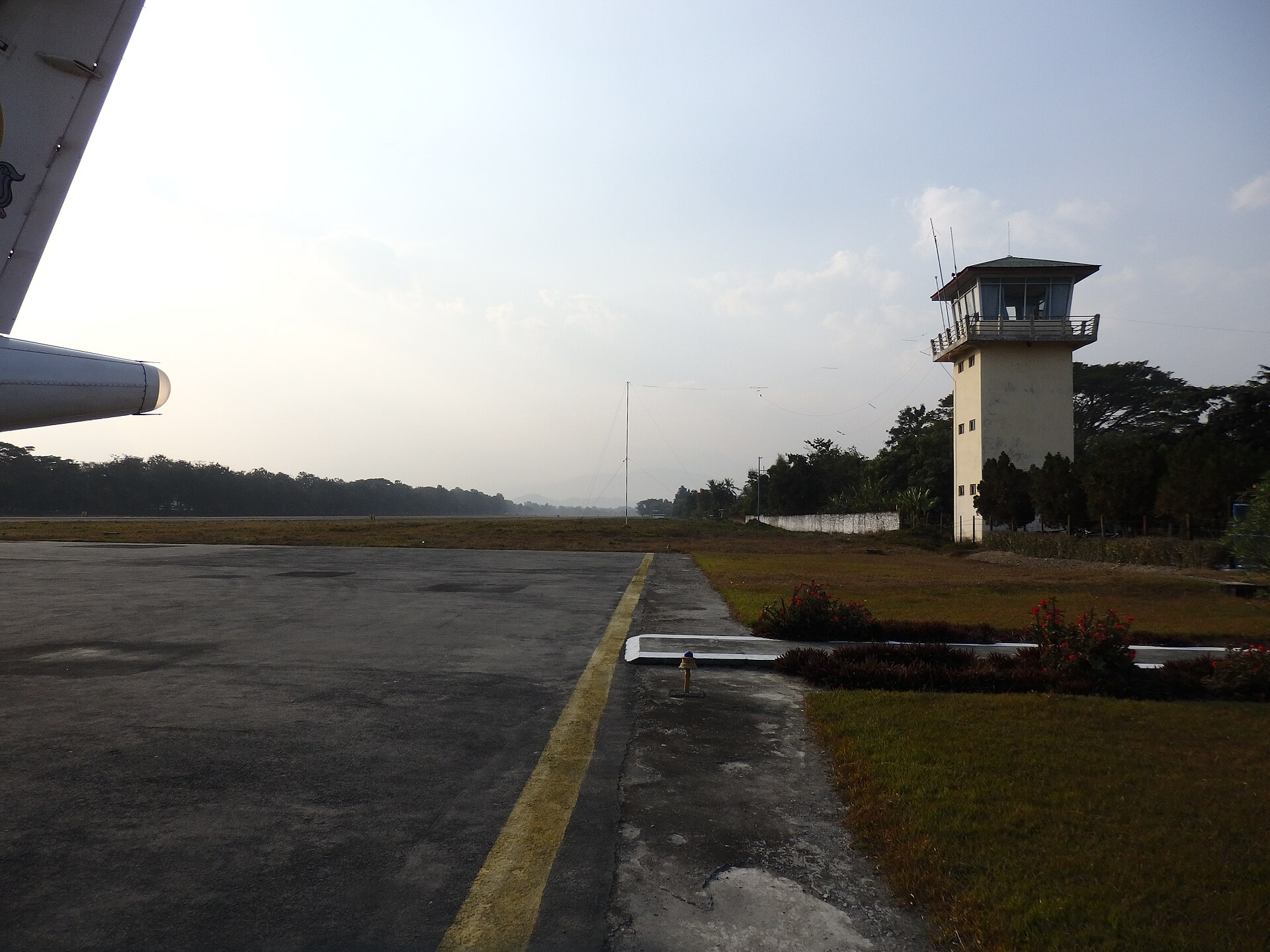
Kalemyo Airport (IATA code KMV) is small and sits close to the city limits, with regular domestic flights to major Myanmar cities. Because it is so near town, the transfer into the city is short. The practical options mirror local transport: arrange a pickup through your hotel where possible, or take a motorcycle taxi or trishaw from the airport and agree the fare before you set off. Cash in kyats will be needed for the fare.
Practical Tips for Getting Around
- Cash first — kyats are standard; cards are rarely accepted.
- Agree fares — no meters on motorcycle taxis or trishaws.
- Language — English is mostly limited to hotel staff, so keep an offline translator or a few words of Burmese handy ("Mingalaba" is the greeting).
- Power — outages occur, so carry a power bank and a torch.
- Etiquette — the head is considered sacred and the feet "dirty": don't touch people's heads or point your feet at people or Buddha images. Ask before photographing people, especially monks, and don't film military or strategic sites, bridges or police posts.