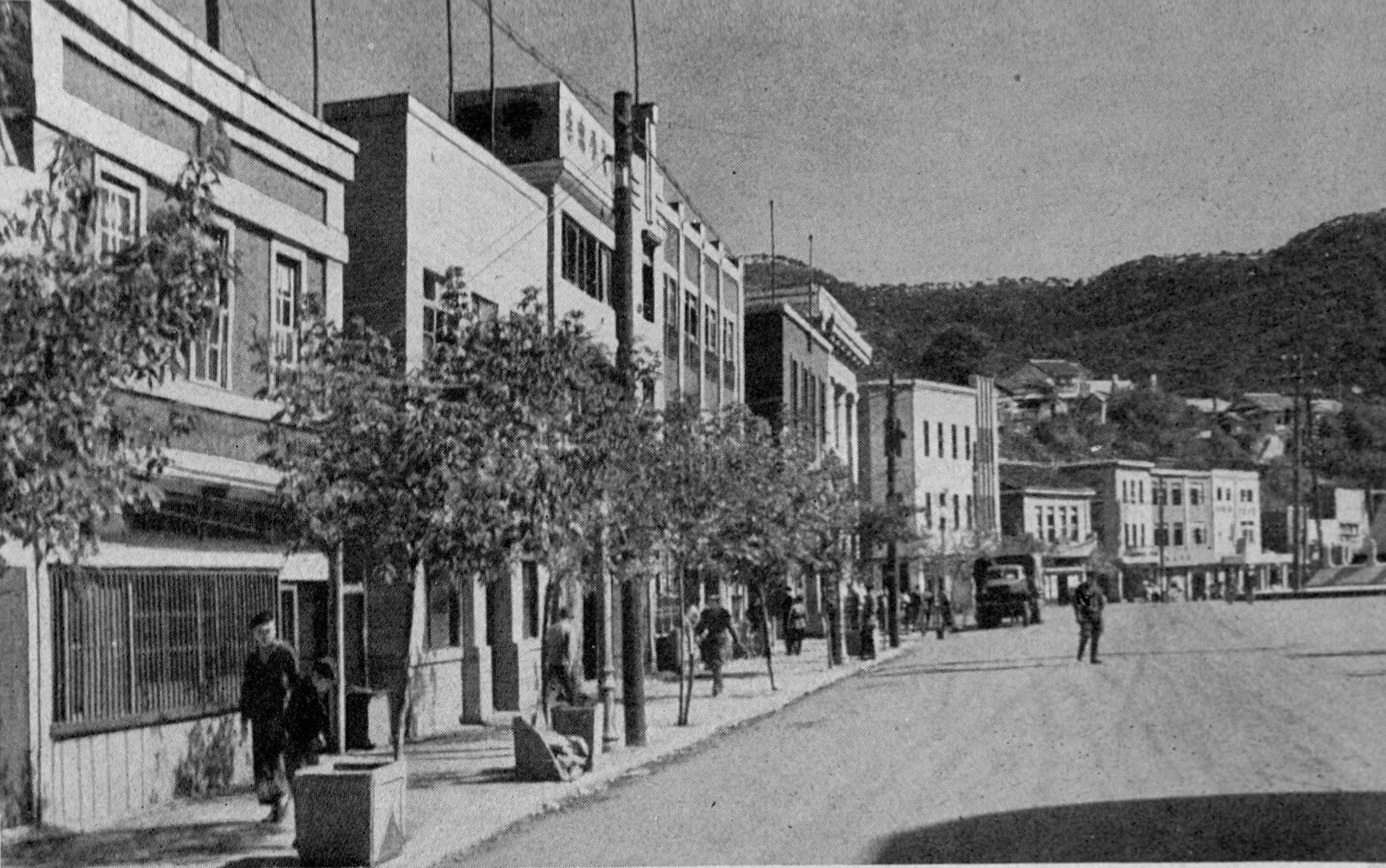
Getting Around Chongjin: The Basics
Chongjin is North Korea's third-largest city and a major industrial and port centre on the northeastern coast, but it is not part of most standard accompanied group itineraries. It can be visited on customised tours, and that fact shapes everything about how you move around once you arrive. Foreign visitors travel with an assigned guide, and practical transport arrangements are typically made for you rather than by you.
As a general rule, expect to get around by organised tour coach or government-arranged private car. These are the most reliable options for foreign visitors, with bookings, timings and costs handled by your tour operator. Independent public transport information is largely unavailable to foreigners, so treat your guide or hotel as the source of truth for anything transport-related.
Arriving by Train
Chongjin Station is the city's main rail hub, served by the Korean State Railway's Pyongra Line. The city sits on the line between Rason and the capital Pyongyang, as well as the southern city of Wonsan, so long-distance trains connect it to both ends of the country.
- Long-distance trains run between Pyongyang and Chongjin, with journeys commonly taking around ten to twelve hours depending on the service and stops.
- Official timetables and fares are not publicly or reliably published for independent travellers, and services are irregular for foreign visitors.
- Most foreign visitors travel on government-arranged trains or use operator-provided car transfers rather than booking independently.
Arriving by Plane
Orang Airport (RGO) serves Chongjin and lies some distance outside the city. Air Koryo flies to the North Korean destinations of Haeju, Pyongyang and Wonsan, and there have been plans to extend the airport and make it North Korea's second international airport.
- There are no regular commercial air services into Chongjin for independent travellers, and the city has no commercial international airport.
- The main international gateway for visitors to the DPRK is Pyongyang Sunan International Airport (FNJ); onward travel to Chongjin is normally by train or government-arranged coach.
- Domestic DPRK flights are infrequent, and schedules and fares are not publicly published.
In practice, getting from the airport into the city will be arranged as part of your tour rather than sorted out on arrival, so confirm the transfer with your operator in advance.
Trams and Trolleybuses
Chongjin has a tram network and a trolleybus network that is slightly more extensive than the tram lines. Both are local, resident-facing systems. Routes, schedules and fares are not published for tourists, and signage may be in Korean only, so visitors typically ride only with a guide or as part of guided arrangements.
The city's own Chongjin Bus Factory supplies a large number of buses and trolleybuses to Chongjin and also builds the trams used within the city, including an articulated tram. In recent years the factory has built more trolleybuses that visually resemble the Chollima-321 model seen in Pyongyang.
Buses and Other Public Transport
Municipal buses serve central districts and industrial areas and are the cheapest option for residents. As with the tram and trolleybus networks, routes, schedules and fares are not published for tourists, and signage may be Korean-only.
- Intercity coach services exist between provincial centres but run on state schedules, with fares not readily available to independent visitors.
- Coach travel is typically arranged by guides or hotel staff rather than booked directly.
- Bicycles are used locally, but rental options for visitors are limited and information is scarce — check with your guide or hotel first.
Taxis and Ride-Hailing
Taxis operate in Chongjin and are usually state-run. Fares and availability are unpredictable for foreigners, and routes and pricing are set by the authorities or your tour operator. Rather than hailing one on the street, taxis are commonly arranged via hotels or guides. There is no indication of any ride-hailing service, so plan on arranging cars through your operator instead.
Walking
Walking is the easiest way to explore Chongjin's central districts and markets; many sights are compact and walkable. Districts such as Songpyong and Namch'on are noted for their shops and markets, and the city also offers waterfront walks and small local parks.
One important caveat: independent exploration of sensitive sites is restricted, so stick to guide-cleared routes. Photography of factories, ports and rail yards is prohibited. Nearby, the Chilbo Mountains offer granite peaks and coastal cliffs for those arranging excursions outside the city.
Practical Notes for Visitors
- Travel is monitored, and visitors travel with an assigned guide.
- Navigation is best done via operator- or hotel-arranged transport; independent public transport information is largely unavailable to foreigners.
- Bring cash — transactions are cash-based, English is limited, and power can be intermittent.
- Tour packages typically run around $200–350 per day, with on-site costs limited and controlled.
- Accommodation is generally booked through tour operators: budget state-run hotels roughly $30–90 per night, mid-range around $50–120, and higher-end around $80–150.
- Chongjin has a hot-summer continental climate with a dry winter; late spring and early autumn are recommended for mild, clearer weather.