Getting oriented
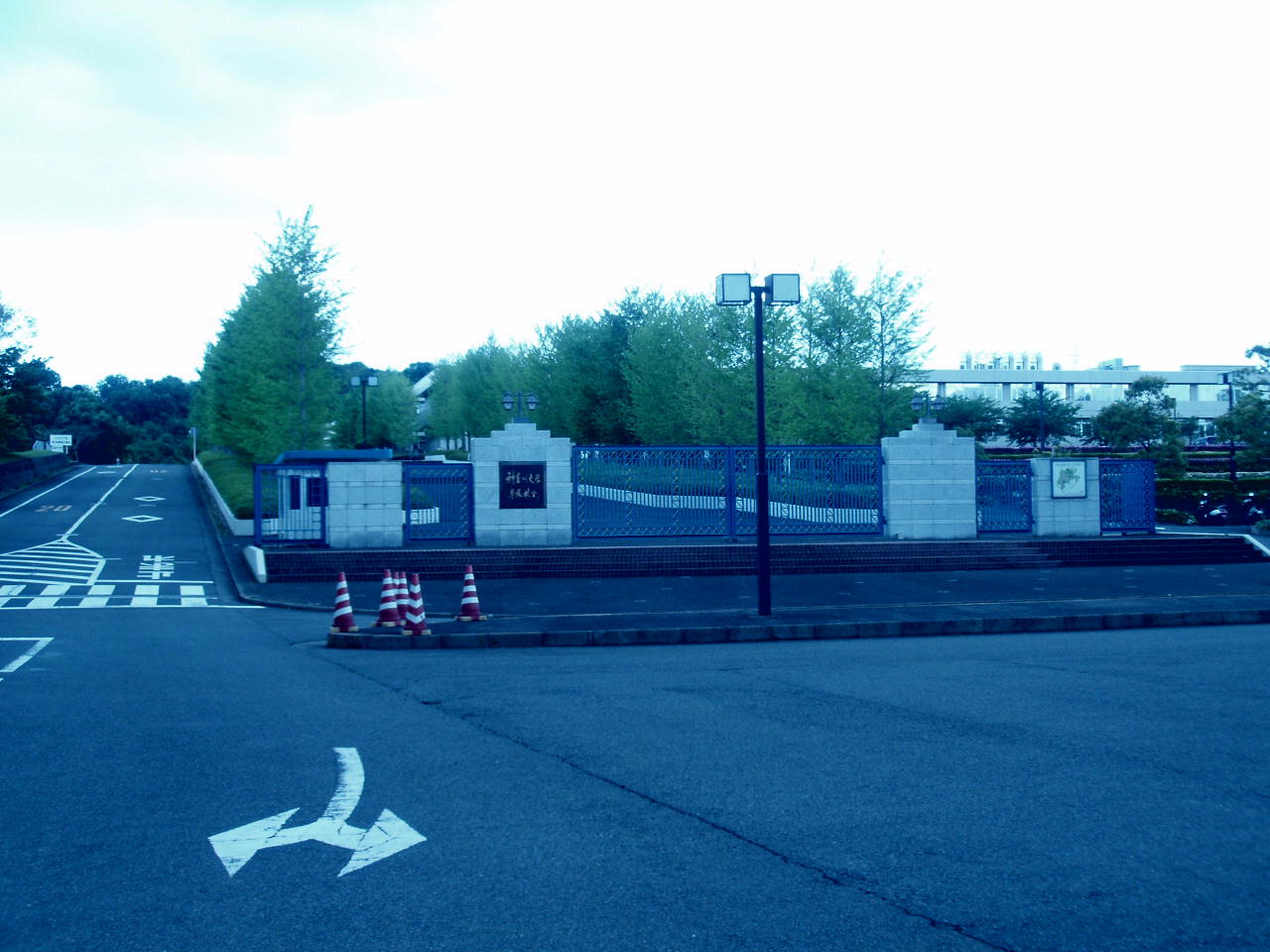
Hiratsuka sits on the Shōnan coast of Kanagawa Prefecture, roughly midway between Tokyo and Mount Fuji, facing Sagami Bay. The city is a mix of flat urban plain stretching inland from the coast and greener hills on its western side. For a visitor, the practical picture is simple: the rail station is the hub, the city is compact and walkable around it, and buses fill in the gaps.
Rail: the backbone of the city
Hiratsuka's rail service is operated by JR East, and the city is served by two lines: the Tōkaidō Main Line and the Shōnan Shinjuku Line. The station, Hiratsuka, is the natural anchor for any visit.
- Tōkaidō Main Line — the classic corridor linking Tokyo with points west, useful for reaching Hiratsuka from the Tokyo direction and for onward travel toward Odawara and beyond.
- Shōnan Shinjuku Line — a JR East line that gives Hiratsuka a direct rail link toward the Shinjuku area of Tokyo, handy if you are basing yourself in central Tokyo.
Because both lines are JR East, tickets and passes follow JR East's usual arrangements: buy at the station or use an IC card.
Metro and trams
Plan on rail, bus, taxi and walking as your modes; do not expect an underground or tram system within the city.
Buses and other public transport
Local bus services connect the station area with the rest of the city, and the station's south exit is the focus of the local bus network.
- Local buses — the practical way to reach parts of the city beyond easy walking distance from the station.
- Cashless payment — a recent autonomous bus trial on the station's south-side route introduced cashless fare payment, a sign that card-based payment is becoming more common on local services. Carry an IC card as a sensible default, but confirm accepted payment methods with the operator.
- Autonomous bus trials — Hiratsuka has hosted demonstration tests of an autonomous bus along the same route as existing bus lines near the station's south exit, run by Isuzu with local partners including the city and Kanagawa Chuo Kotsu. Public test rides have been planned during the driver-on-board phase. These are trials rather than a permanent service, so do not count on them; if you are visiting during a test period, ask locally whether rides are open to the public.
Taxis and ride-hailing
Taxis are a normal option at a Japanese rail station of this size, but since the reference material is silent on specifics, treat taxis as a fallback for late nights or heavy luggage and confirm availability and payment methods locally. Do not assume app-based ride-hailing works the way it does in other countries; check before relying on it.
Walkability
Hiratsuka's urban area extends across a plain from the Sagami River toward the coast, with the city centre and station at its heart. Around the station and central streets, walking is a realistic way to cover shops, restaurants and the main sights. The western side of the city, beyond the Kaname River, rises into the green Oiso Hills, so expect hillier terrain and longer distances there — a bus or taxi makes more sense for those outskirts.
Getting in from the airport
The realistic approach is to arrive at a major gateway such as Tokyo's Haneda or Narita airports and continue by rail: Haneda is the closer of the two to Kanagawa, and the rail network — including the Tōkaidō Main Line and Shōnan Shinjuku Line — is the natural way to reach Hiratsuka station. Because the reference material gives no airport-specific detail, confirm routes, transfers and ticket options on the official airport and railway websites before you set out, and allow generous time for the connection.
Practical tips
- Use Hiratsuka station as your orientation point; both JR East lines and the south-exit bus network converge there.
- Carry an IC card for trains and, increasingly, buses.
- Check JR East's official information for current fares and any passes that cover the Tōkaidō Main Line and Shōnan Shinjuku Line.
- Walk the central area; use buses for the outskirts and the hilly west side.
- If you encounter an autonomous bus trial near the station's south exit, ask locally whether public rides are running — and remember it is a demonstration, not a scheduled service.