Getting Around Birjand
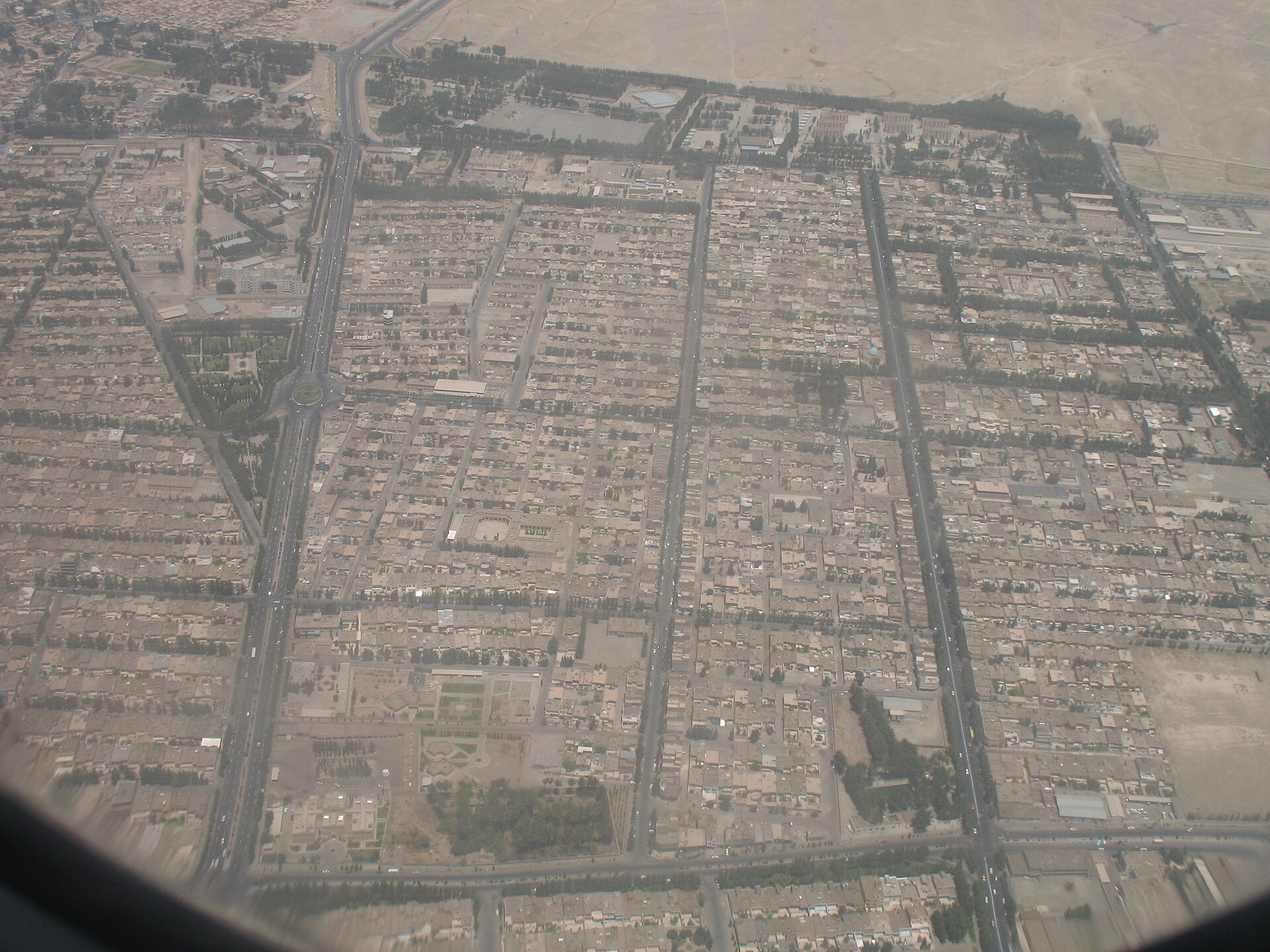
Birjand is the capital of South Khorasan province, a city whose compact core and relatively calm traffic make it a manageable place to explore on foot and by road. The practical guidance below covers the main ways a visitor can move around town and how to reach the city from its airport.
Rail, Metro and Tram
Birjand has no metro or tram network, and there is no urban rail system for getting around the city itself. Visitors should plan on road-based transport — buses, taxis and walking — for all local journeys.
Buses and Public Transport
Public transport in Birjand is road-based. The city is a provincial capital with universities and a hospital that draw people from across the region, so local bus services operate as the main shared-transport option for residents and visitors alike. Because the city is not a major metropolis, the network is modest in scale rather than a dense, high-frequency grid.
- Buses are the principal form of public transport for local travel.
- Fares are typically low and paid per journey; as with most Iranian cities, you can expect to pay on board or with a local rechargeable card rather than buying a paper pass in advance.
- Services are geared toward residents' daily routines, so frequencies and hours are more limited than in Iran's largest cities — plan around daylight hours where possible.
Taxis and Ride-Hailing
Taxis are the most flexible way to get around Birjand, and shared and private taxis are a normal part of daily life in Iranian provincial cities. For a visitor, taxis are the simplest option for reaching a specific address, the university campuses, or the hospital area.
- You can flag a taxi on the street or pick one up at a stand; shared taxis follow common routes and private taxis take you door to door.
- Ride-hailing apps used elsewhere in Iran generally work in provincial capitals, but coverage in a smaller city like Birjand can be thinner than in Tehran, so have a taxi as a backup.
- Agree on the fare or confirm the meter before setting off, especially for longer trips across town.
Walking
Birjand's central area is walkable, and walking is a reasonable way to cover short distances between nearby destinations. The city has a cool arid climate with hot summers and cool winters, plus a significant difference between day and night temperatures, so timing matters.
- In summer, walk in the early morning or evening to avoid the heat of the day.
- Winters are cool, and precipitation falls mostly in winter and spring, so carry a layer and be prepared for wet weather in those seasons.
- Because day–night temperature swings are large, a light jacket is useful even when the daytime is warm.
Getting from the Airport into the City
Birjand International Airport (XBJ) sits in the north of the city, so the transfer into town is short by the standards of most airports. The airport has connections from Tehran and Baghdad, making it the main air gateway for visitors arriving from outside the province.
- Take a taxi from the airport for the most direct and convenient transfer into the city center; this is the standard option for visitors.
- Because the airport lies within the city's northern area, the ride into the center is brief rather than a long intercity haul.
- Arrange your return to the airport in advance or ask your hotel to call a taxi, since the airport is small and on-demand options may be limited at quiet times.
Practical Tips
- Base yourself centrally if you plan to walk; the core is compact enough that many errands and sights are within reach on foot.
- Use taxis for anything time-sensitive, and buses when you are not in a hurry and want to save money.
- Keep small change handy for bus fares and short taxi hops.
- Plan outdoor activity around the climate: hot summers, cool winters, and a wide day–night temperature range.