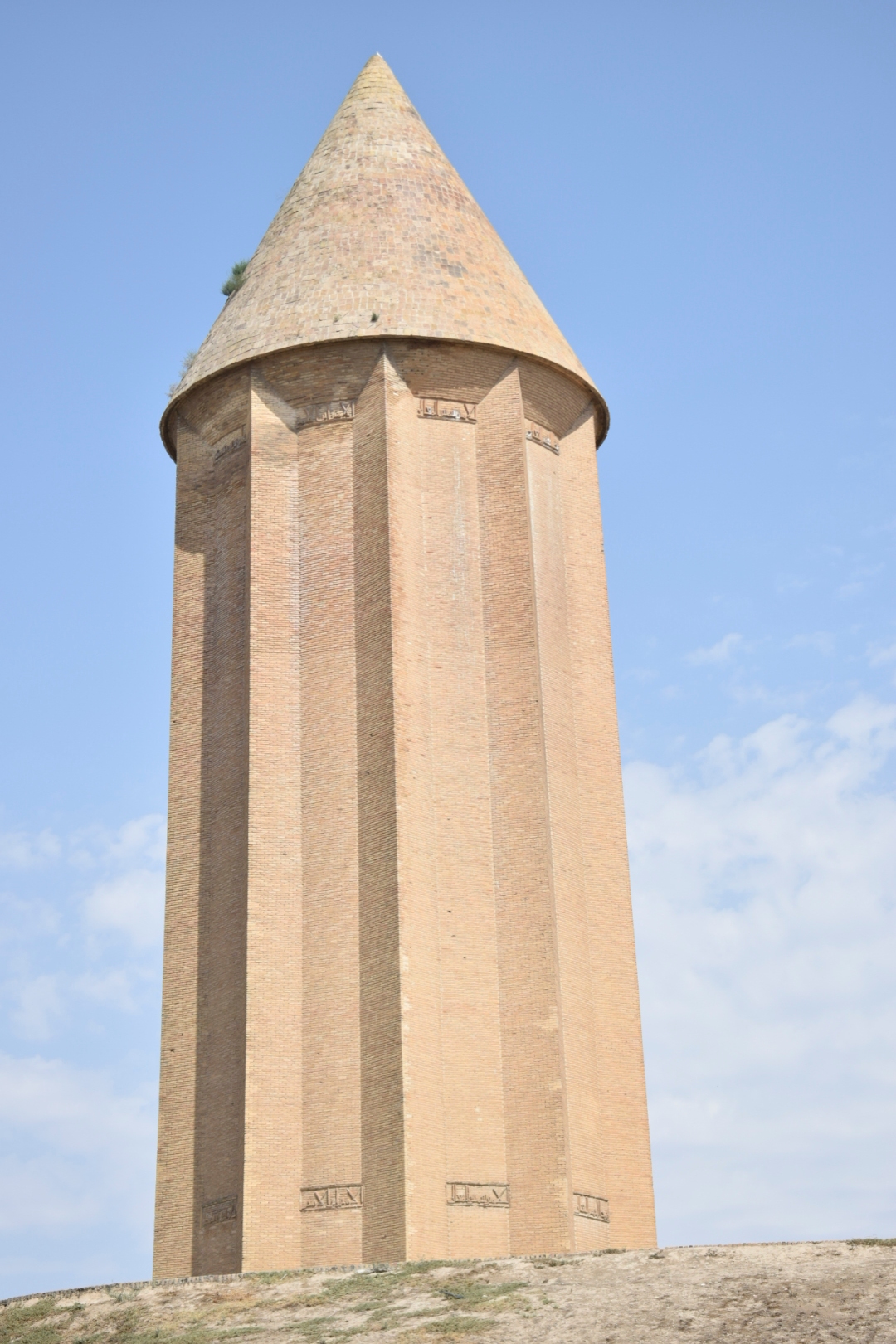
Getting Your Bearings
Gonbad-e Kavus sits on the plains of Golestan province in northeast Iran, a city whose skyline is dominated by the ancient brick Tomb of Qabus. It is a compact, largely low-rise place, and the practical reality for visitors is simple: there is no airport and no railway station in the city itself. Almost everyone arrives by road, and once you are here you get around by taxi, shared taxi, or on foot.
Arriving by Air
Gonbad-e Kavus has no airport of its own. The nearest aviation hub is Gorgan Airport (GBT), which receives regular flights from Tehran and lies roughly an hour and a half away by road. Two further options exist if Gorgan does not suit your schedule: Bojnurd Airport (BJB) and Sari Airport (SRY), both considerably farther out and each involving a road journey of around three hours.
From any of these airports, the onward leg into Gonbad-e Kavus is by road — a taxi, a shared taxi, or a bus connection via Gorgan. There is no rail or metro link from the airports.
Arriving by Rail
There is no direct rail link to Gonbad-e Kavus. The nearest passenger stations are at Gorgan and Sari, which serve as terminals of the scenic railway line that climbs through the Alborz Mountains. If you arrive by train, you will need to transfer at Gorgan station and continue by local taxi or bus for the final stretch into the city.
Arriving by Bus
Intercity buses are the primary and most affordable way to reach Gonbad-e Kavus. Regular, frequent services run from Gorgan throughout the day, using modern intercity coaches. This is the most straightforward option for a budget-conscious visitor, and the journey from Gorgan takes a little over an hour.
Arriving by Car or Shared Taxi
If you are driving yourself, the main highway from Gorgan is well paved and easy to navigate, and the drive takes just over an hour. Intercity taxis are also available for the same route.
Shared taxis — known locally as savari — are the recommended option for intercity travel. They depart when full rather than on a fixed timetable, and they are inexpensive. For a visitor without a car, this is often the most practical way to cover the ground between Gorgan and Gonbad-e Kavus.
Getting Around the City
Within Gonbad-e Kavus itself, the transport picture is simple and low-tech. There is no metro, no tram, and no urban rail network of any kind. Your options are:
- Taxis — the main motorised way to move around town, readily available for point-to-point trips.
- Shared taxis (savari) — inexpensive, fill up as they go, and useful for common routes across the city.
- Walking — the city is compact and largely flat, so central areas and the main sight are comfortably reachable on foot.
There is no ticketing system, pass, or travel card to worry about. You simply pay the driver in cash for each trip. Fares are quoted in Iranian Rials, though locals often speak in Tomans (1 Toman equals 10 Rials), so it is worth clarifying which unit is meant before you agree a price. Foreign bank cards are not accepted anywhere, so carry enough cash for your journeys.
Practical Notes for Visitors
- Language: Persian is the everyday language, and English is not widely spoken — having your destination written in Persian script will help with drivers.
- Dress: A headscarf is mandatory for women, and shorts are not recommended for men.
- Photography: Taking pictures is prohibited at government buildings, military facilities, and strategic communication sites.
- Local custom: Expect taarof — polite offers that may be repeated several times before they are genuinely meant or accepted.
- Main sight: The Gonbad-e Kavus tower, one of the world's tallest brick towers, is best visited at sunset.