Getting around Saveh
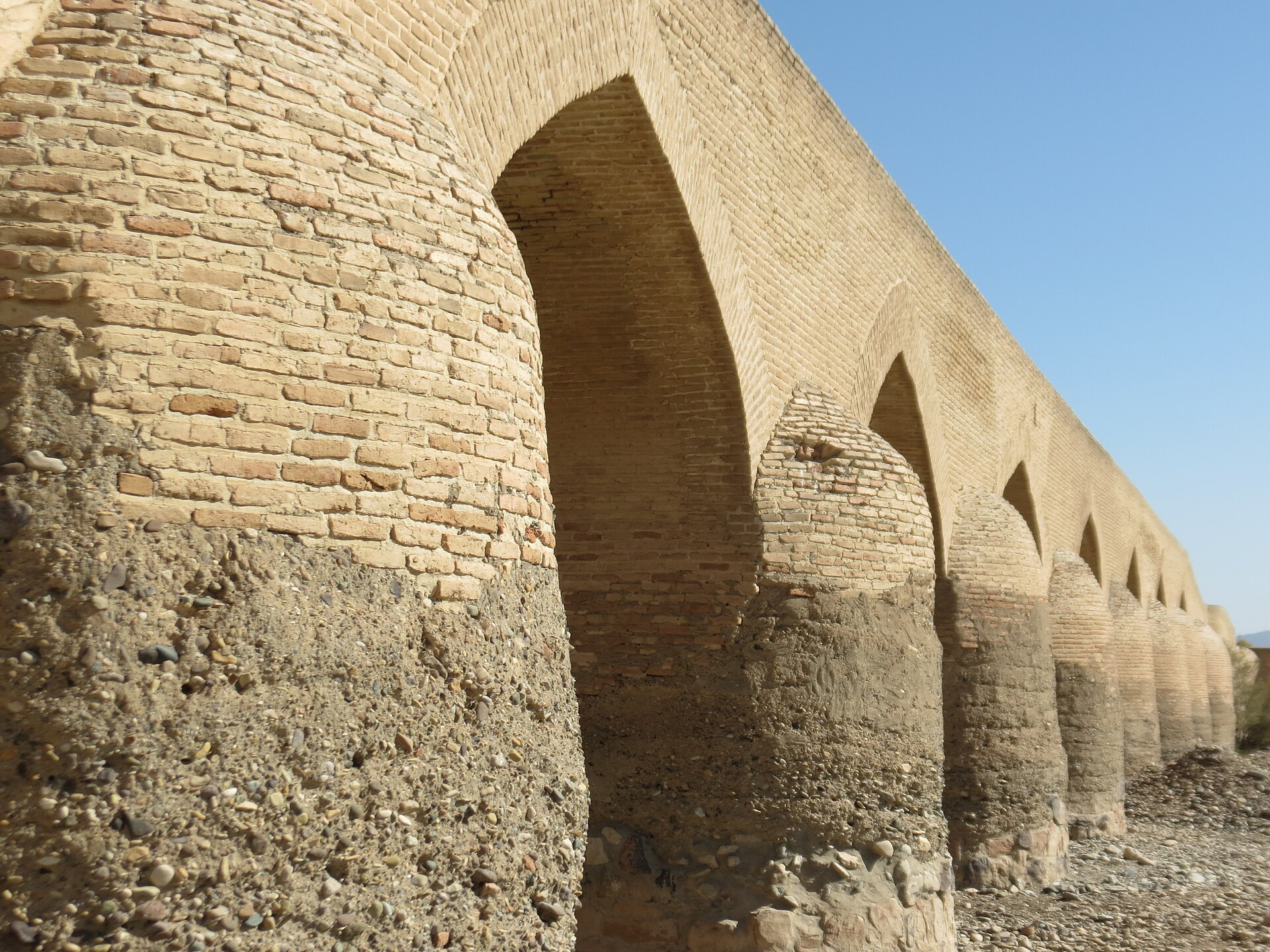
Saveh is a mid-sized city in Markazi province, roughly 120 km southwest of Tehran. It is a compact, historic place with a handful of notable sights—the Jameh Mosque, the Red Mosque, the Imamzadeh Soltan Seyed Eshaq Mausoleum, and the Sorkhdeh Bridge south of town—so most of a visitor's movement happens within a fairly small area. What follows is therefore a practical, honest guide to what you can reasonably expect and how to plan, with the caveat that local arrangements should be confirmed on arrival.
On foot
Walking is the most practical way to see Saveh's central sights. The Jameh Mosque and the Red Mosque (also known as Enqelab Mosque) are both Seljuk-era monuments in the city, and the Imamzadeh Soltan Seyed Eshaq Mausoleum is another central landmark. Because these are close together in the historic core, a visitor can reasonably plan a walking itinerary around them.
- Wear sun protection and carry water: Saveh has a hot semi-arid climate with very hot, dry summers.
- Winters are cool to cold and somewhat rainy, so bring a layer and expect wet days.
- For sights outside the centre—the Sorkhdeh Bridge to the south, and the fortresses of Esmaeilieh and Alvir/Ardemin farther out on the road to Hamadan—you will need motorised transport.
Buses and public transport
In practice, Iranian cities of this size typically have shared taxis and minibuses, but you should treat that as general expectation rather than a documented fact about Saveh. Ask at your accommodation for the current local options and how payment works.
Taxis and ride-hailing
For practical purposes, arrange taxis through your hotel or guesthouse, and agree the fare before setting off. This is especially useful for trips to outlying sites such as the Sorkhdeh Bridge or the caravanserai at Khamseh-Abad.
Rail, metro and tram
Saveh is connected to the wider region by road—it sits about 120 km southwest of Tehran—and the main intercity links are by road, including the Saveh–Hamedan freeway. For longer journeys, plan on intercity buses or private car rather than rail.
Getting from the airport
The most likely practical approach for most visitors is to fly into Tehran and travel onward to Saveh by road, a journey of roughly 120 km. Confirm current transport options—shared taxis, intercity buses, or a pre-booked car—before you travel, as schedules and services change.
Practical tips
- Base yourself centrally so the main mosques and mausoleum are within walking distance.
- Use your accommodation as a source of local transport advice; they can arrange taxis and explain current bus or shared-taxi arrangements.
- Plan outlying sights (the fortresses and archaeological sites) as separate half-day trips by car.
- Check road conditions and travel times before heading out on the freeway, and avoid long road journeys when tired—road safety is a genuine concern in the region.