Getting Your Bearings
Deoghar is a pilgrimage city in Jharkhand, built around the Baidyanath Temple, one of the twelve Jyotirlingas of Shiva. Because the city's economy leans heavily on religious tourism and hospitality, transport here is oriented around moving pilgrims between the temples, the railway stations, the bus stand and the hotels. The good news for a visitor is that the town is compact: most of the significant sites lie within a short radius of each other, so short hops dominate your day rather than long cross-city journeys.
One thing to set expectations straight before you arrive: there is no metro and no tram system in Deoghar. Getting around relies on road transport — auto-rickshaws, e-rickshaws, cycle rickshaws, taxis and buses — plus the railway network for arriving and for reaching outlying sites.
Arriving by Rail
Three railway stations serve Deoghar, and knowing which one you're using shapes the rest of your journey.
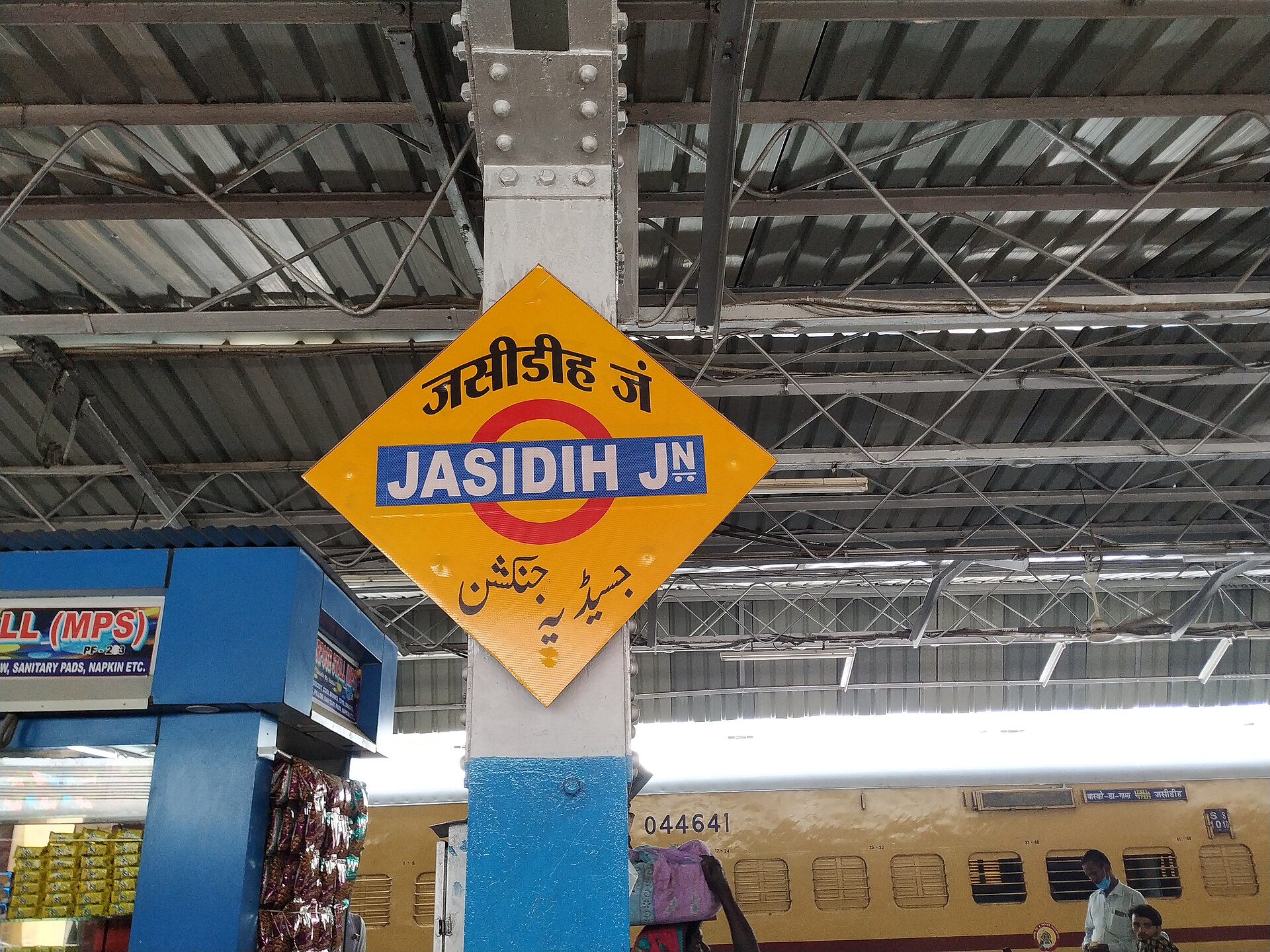
- Jasidih Junction is the nearest major station serving Deoghar and sits on the Howrah–New Delhi main line, which is what connects the city to the rest of the country. Many long-distance express trains stop here, including services from Howrah, New Delhi, Patna, Rampurhat and Ranchi.
- Baidyanathdham Deoghar is a terminal station located in the city centre, connected directly by a branch line from Jasidih Junction. It mostly handles passenger trains, with some express services planned.
- Deoghar Junction is the station within the city, on the Jasidih–Dumka–Rampurhat and Jasidih–Banka–Bhagalpur lines, with trains toward Ranchi, Dumka, Rampurhat, Munger, Bhagalpur, Banka and Agartala.
If you arrive at Jasidih, you have several ways into town. Local up-and-down trains run on the branch line to Baidyanathdham Deoghar every few hours — often the simplest option, and worth checking on the platform rather than assuming. Auto-rickshaws wait frequently just outside Jasidih station; they run both shared (per-person fare) and reserved. Note that the road bridge connecting Jasidih to Deoghar has collapsed, so autos take a longer alternative route — factor in extra time and a slightly higher fare than you might expect. Taxis and buses are also available from the stations into the city.
Buses and Other Public Transport
Deoghar does not have an extensive city bus network, so don't plan on buses for getting around within town. What buses do offer is regional and intercity connections: state and private services run from the main bus stand (Deoghar Bus Stand) to surrounding towns and districts including Jasidih, Madhupur, Dumka, Giridih, Ranchi, Bhagalpur and beyond. Regular buses are available from the surrounding towns, and this is the budget option for reaching Deoghar from elsewhere in the region.
Shared vans also run set routes between Deoghar and the surrounding districts. They are cheaper than private cabs and faster than buses, and are used heavily by daily commuters — a reasonable choice if you're heading to a nearby town and don't mind sharing.
Auto-Rickshaws, E-Rickshaws and Cycle Rickshaws
Auto-rickshaws are the most common way to get around Deoghar. They are unmetered, so fares are either negotiated or charged at fixed local rates. You'll find them clustered near Baidyanath Dham temple, the railway stations, the bus stand, and the larger hotels and lodges. Shared autos run fixed routes with multiple passengers and are the cheapest way to cover short distances; private autos are hired by individuals or families and cost more. As a rule, agree the fare before you set off, and carry small cash — digital payments are limited.
E-rickshaws are battery-operated, quiet and low-speed, and have become increasingly common. They cluster around Baidyanath Dham Chowk, the tower, railway station–hotel routes, local markets and residential neighbourhoods. Fares are generally fixed and cheaper than autos, which makes them a good default for short hops.
Cycle rickshaws still operate near the old marketplaces, the narrow temple lanes and residential areas. They're slow, but they're useful for elderly travellers, for very short distances, and for lanes that cars simply can't enter. Fares are negotiable.
Taxis and Ride-Hailing
There are no app-based ride-hailing services in Deoghar. Taxis and private cabs are booked instead through local drivers, travel agencies or your hotel. They're used mainly for railway station pickups and drops, airport transfers, and full-day sightseeing.
Typical uses include the airport–city run, trips to Basukinath and Trikut Parvat, and excursions to nearby destinations. For a full day of local touring, a hired car is the practical choice if you want to cover several sites comfortably. Unmetered taxis, hired cars, auto-rickshaws, tongas and cycle rickshaws are all part of the local mix, and a hired car for a visit to most of the important places in town is the priciest but most convenient option.
Because nothing is metered, the universal rule applies: settle the price before you start, and ask at your hotel about prevailing rates so you have a benchmark.
Walking
Walking is genuinely practical in Deoghar. The temple area, local markets, dharamshalas and hotels sit close together, so many of your movements on foot are short and straightforward. During peak pilgrimage season, walking can actually be faster than driving, because traffic near Baidyanath Dham becomes congested.
Be aware of the Shravan Mela, the pilgrimage crowds in the month of Shravan. Special transport rules apply: car traffic is restricted near the temple, designated drop points come into force, more e-rickshaws are put on, and traffic police control the routes. Pilgrims are advised to walk short distances, use the designated transit zones and avoid peak hours. If you're visiting during this period, plan your travel early in the day and expect transport to be very crowded.
Getting In from the Airport
Deoghar Airport (IATA: DGH), also known as Baba Baidyanath Airport, serves the city and lies roughly 12 km from the city centre. It was inaugurated in 2022 and primarily serves pilgrims visiting the Baidyanath Temple. IndiGo operates flights connecting Deoghar with Ranchi, Patna, Bengaluru, Mumbai, Kolkata and Delhi.
To get from the airport into the city, your options are taxis and local transport. Airport taxis are the standard choice, and this is one of the main uses for private cabs in Deoghar since there is no app-based booking. Arrange your transfer through your hotel, a local driver or a travel agency, and confirm the fare in advance.
Practical Tips for Visitors
- Agree fares before starting any journey — autos and taxis are unmetered.
- Carry small cash for autos, buses and offerings; digital payments are limited.
- Ask locals or your hotel about prevailing rates so you know what's fair.
- Use autos and e-rickshaws for short distances within the city, and taxis or rental cars for distant sites like Trikut Hills and Basukinath Temple.
- Start temple visits early to avoid queues at Baidyanath Dham Temple.
- Transport availability is limited at night, and traffic jams are common during festivals.
- The best season to visit is October to March.
- During Shravani Mela, expect restricted car access near the temple, designated drop points and heavy crowds — plan travel early and be ready to walk.