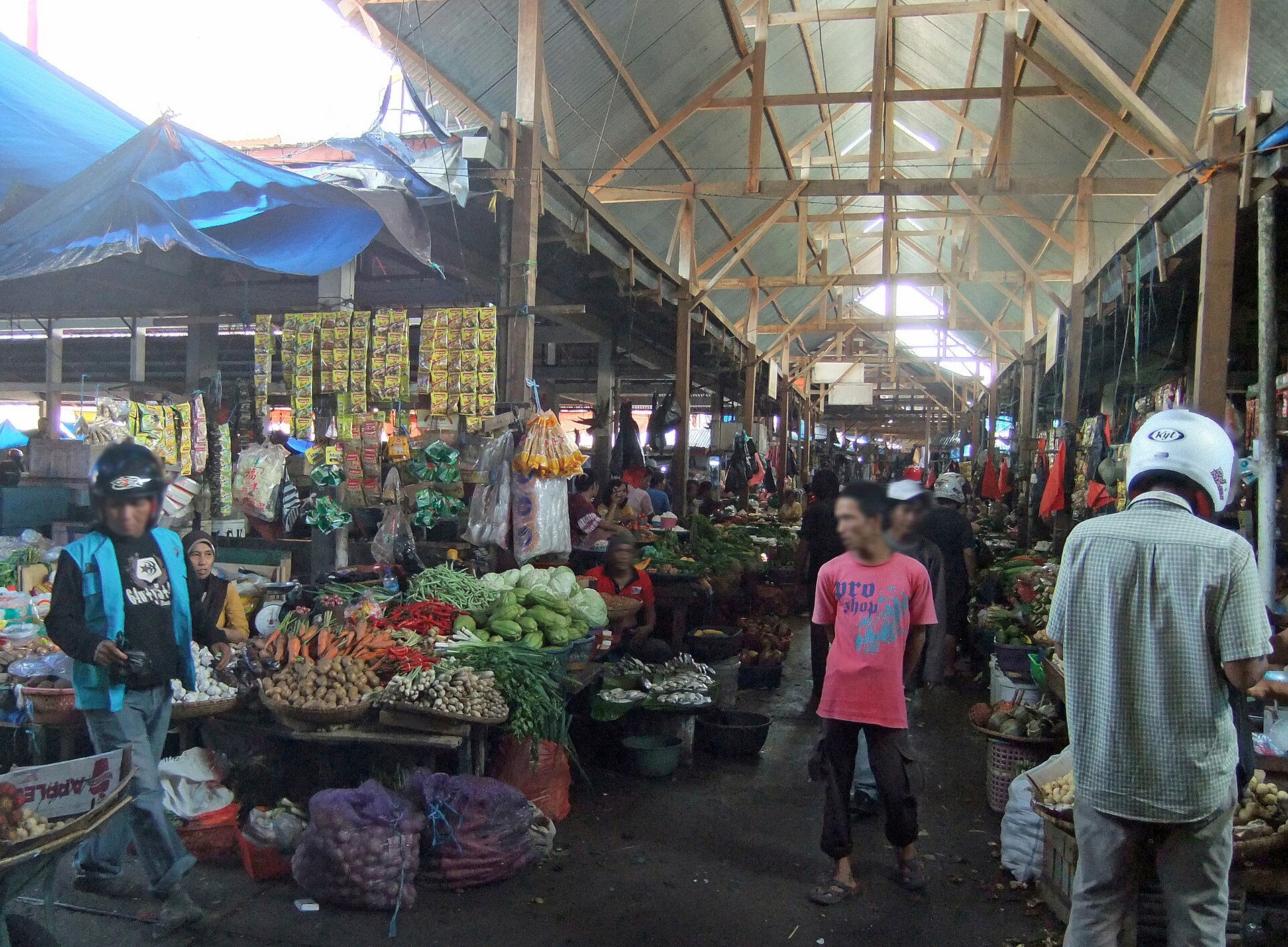
Getting Around Palopo
Palopo is a compact city in South Sulawesi, and getting around it is a fairly informal affair. There is no metro, no tram and no commuter rail network to navigate, so visitors rely on road-based transport: shared minibuses, motorcycle taxis and, for longer journeys, buses and cars. The sections below cover what exists, how it works in practice, and how to reach the city from its airport.
Rail, Metro and Tram
Palopo has no railway service, and there are no train stations in the city or the surrounding area. Rail travel is not an option here, even with transfers. The nearest cities with rail connections are a long way off, so for practical purposes you should plan your trip around road and air transport rather than trains.
Buses and Other Public Transport
Within Palopo, the main form of public transport is the pete-pete, a local shared minibus that functions as a shared taxi. These are the everyday way locals move around the city, and they are the cheapest option for a visitor willing to go with the flow.
- Pete-pete: shared minibuses that run along set routes within the city. Fares are paid in cash, so keep small denominations of Indonesian Rupiah on hand.
- Ojek: motorcycle taxis, widely used for shorter trips and for reaching places the minibuses do not serve directly.
- Long-distance buses: the primary land option for reaching Palopo from elsewhere. The most common route is from Makassar, with frequent service. Buses range from basic to modern high-class liners, and the Makassar route commonly uses air-conditioned buses with reclining or plush seating, though comfort depends on the service class and carrier. Other origins include Mamuju and Palu.
There is no ticketing system or travel pass to worry about for local transport; you simply pay the driver or operator in cash. For intercity buses, buy your ticket at the bus terminal or through the carrier.
Taxis and Ride-Hailing
Ride-hailing apps are less reliable in Palopo than in the capital, so it is wise to have a backup plan rather than counting on an app to arrive promptly. Motorcycle taxis (ojek) fill much of that gap.
- Agree the fare with a motorcycle taxi driver before you set off.
- Carry cash in small denominations, since cards are accepted mainly at large hotels and supermarkets rather than for everyday fares.
- If you prefer a car, hiring a car with a driver is recommended for tourists, given the terrain and local traffic conditions.
Walkability
Palopo is a small city, and walking is feasible for short trips in the central area, but it is not the primary way people get around, and the tropical climate works against long walks. Palopo has a tropical rainforest climate with heavy rainfall year-round, and sudden downpours are common, so bring a raincoat or umbrella. The city is also a conservative region, and visitors are advised to dress with shoulders and knees covered.
Getting from the Airport into the City
Palopo is served by Bua Airport, also known as Palopo Lagaligo Airport, with the IATA code LLO. It sits a few kilometres from the city centre.
- Flights: the airport handles domestic flights only, with no direct international arrivals. There are regular flights to and from Makassar, the provincial capital, and the typical routing for an international visitor is to connect via Makassar's Sultan Hasanuddin Airport. The flight itself is usually under an hour.
- Onward transport: because the airport is only a few kilometres from the centre, the transfer into town is short. Expect to use a taxi, an ojek, or a pre-arranged pickup rather than a formal airport rail or shuttle link, since none exists.
Practical Tips for Visitors
- Cash is king: the currency is the Indonesian Rupiah (IDR). Cards are accepted mainly at large hotels and supermarkets, so carry cash, especially small denominations, for fares and food. Exchange or withdraw cash in advance in Makassar.
- Language: Indonesian (Bahasa) is the everyday language and little English is spoken. An offline translator or a few basic phrases will help considerably.
- Health and safety: drink bottled water, avoid ice at street cafes, and use mosquito repellent and high-SPF sunscreen. The city is generally safe, but standard precautions apply.
- Etiquette: use your right hand for eating, passing money and greeting; remove your shoes when entering homes and mosques; and avoid public displays of emotion, raised voices and public affection.
- Local dish: try kapurung, a sago-based soup with vegetables and fish or chicken associated with the Luwu region.