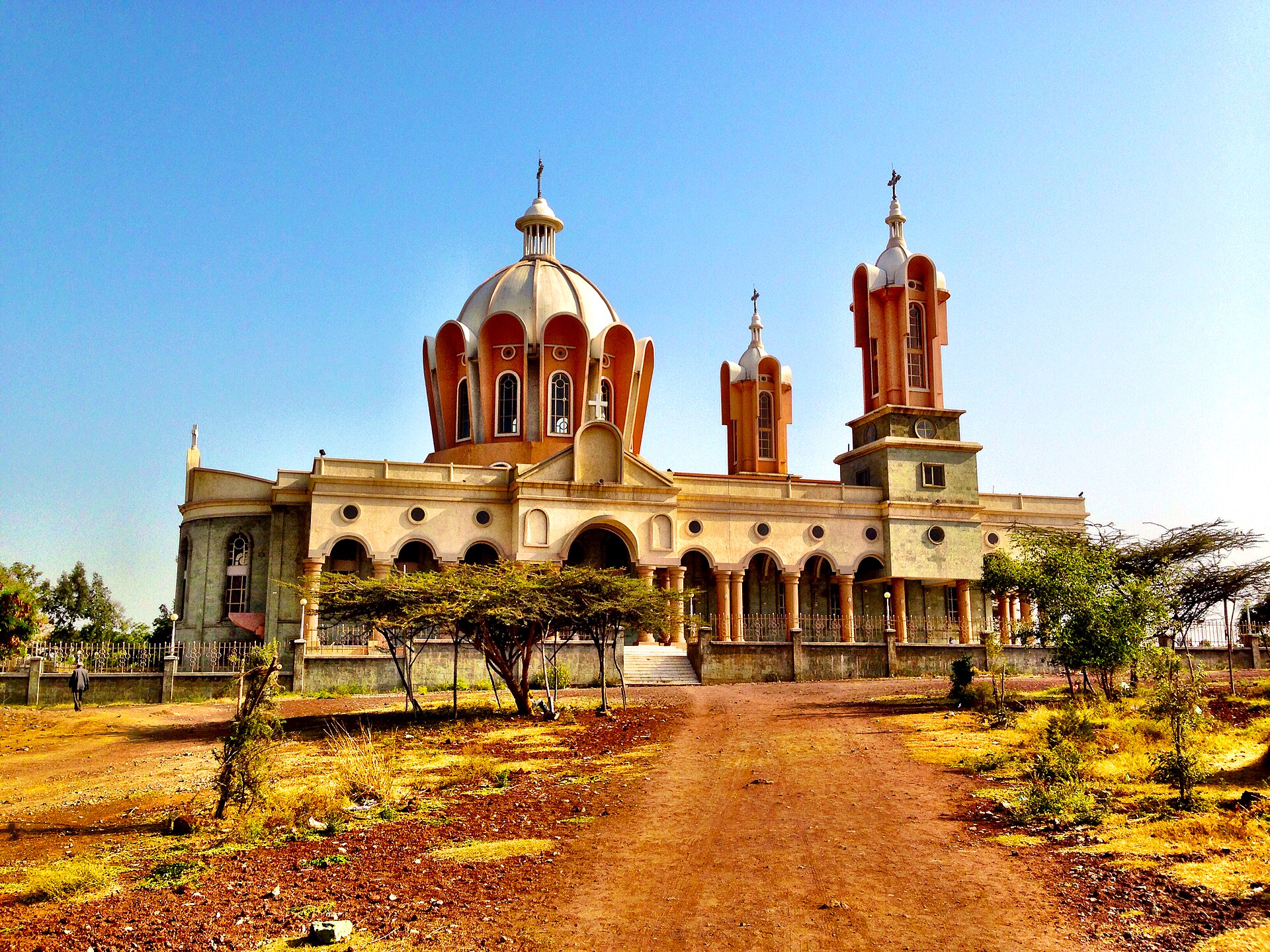
Understanding Adama (Nazret)
Adama, still widely known by its former name Nazret, sits about 100 km southeast of Addis Ababa along the main highway toward Dire Dawa and Djibouti. It is a busy transportation center, and that character shapes how visitors get around: the city is a stop on the Addis Ababa–Djibouti Railway, and the main road through town is the spine along which most local movement happens.
Orienting Yourself
Street names and addresses are not discernibly marked, if they are used at all. That means you should navigate by landmarks and by the main thoroughfare rather than by street signs or house numbers. The Addis Ababa–Dire Dawa Road runs through the town and is the main artery for both traffic and pedestrians.
Rail
The Addis Ababa–Djibouti Railway runs through Adama, with daily trains in both directions. If you are arriving or leaving by rail, the Adama railway station is your point of access. The railway is a practical intercity link rather than a way of moving around within the city itself.
Buses and Minibuses
Buses and minibuses are the main way people travel between Adama and other cities, and they also serve as the connection to Addis Ababa. A few practical points matter:
- Buses do not follow a strict timetable. The driver generally waits until the vehicle fills with passengers, though in practice departures tend to happen at least once an hour, and more often for minibuses.
- Ask for an "Express" service, which runs non-stop via the toll road between Addis Ababa and Adama. The express trip between the Addis outskirts and Adama takes just over an hour, though traffic within Addis itself can easily double that.
- When leaving Adama for Addis Ababa, you will likely be asked where in the city you are going. Some drop-off points, such as Megenagna, are much closer to the city center and near an LRT station.
- On arrival in Adama, the minibus often stops a few times along the main road to let passengers off before turning right at the town center. Choose the stop nearest to where you intend to stay, since the bus terminal itself is a few kilometers from the center.
Taxis, Bajaj, and Carts
Blue-and-white taxis operate on fixed routes along the major streets and are inexpensive, costing less than one birr per person per ride. They pick up and drop off other passengers along the way, so you may share the vehicle. You can also hire a taxi privately, which is called a "contract"; the fare is higher and should be agreed upon in advance.
Auto-rickshaws, known locally as "Bajaj" after their manufacturer, have largely replaced horse-drawn carts (gari) as the cheaper alternative to public taxis. Bajaj drivers generally do not pester foreigners passing by, but some may try to charge more than the agreed fare on arrival, so confirm the price before you set off.
Walkability
The main road through town is pretty walkable by African standards, at least in the city center. Because street names and addresses are not clearly marked, walking is easiest along the main thoroughfare, where you can orient yourself by the surrounding landmarks and activity.
Getting from the Airport into the City
Visitors should therefore plan on arriving by road or rail, and treat the guidance above for buses, minibuses, and taxis as the practical options for reaching the city and moving around once there.