Orienting yourself in Carabanchel
Carabanchel is a district of Madrid on the southern, right bank of the Manzanares, stretching south as far as the M-40 ring road. It is made up of the neighbourhoods of Abrantes, Comillas, Opañel, Puerta Bonita, San Isidro and Vista Alegre (sources also list Buenavista among its barrios). For a visitor, the practical takeaway is that this is a large, residential part of the city rather than a compact historic quarter, so you will rely on Madrid's public transport network to reach the centre and to move between its neighbourhoods.
How visitors get around Madrid
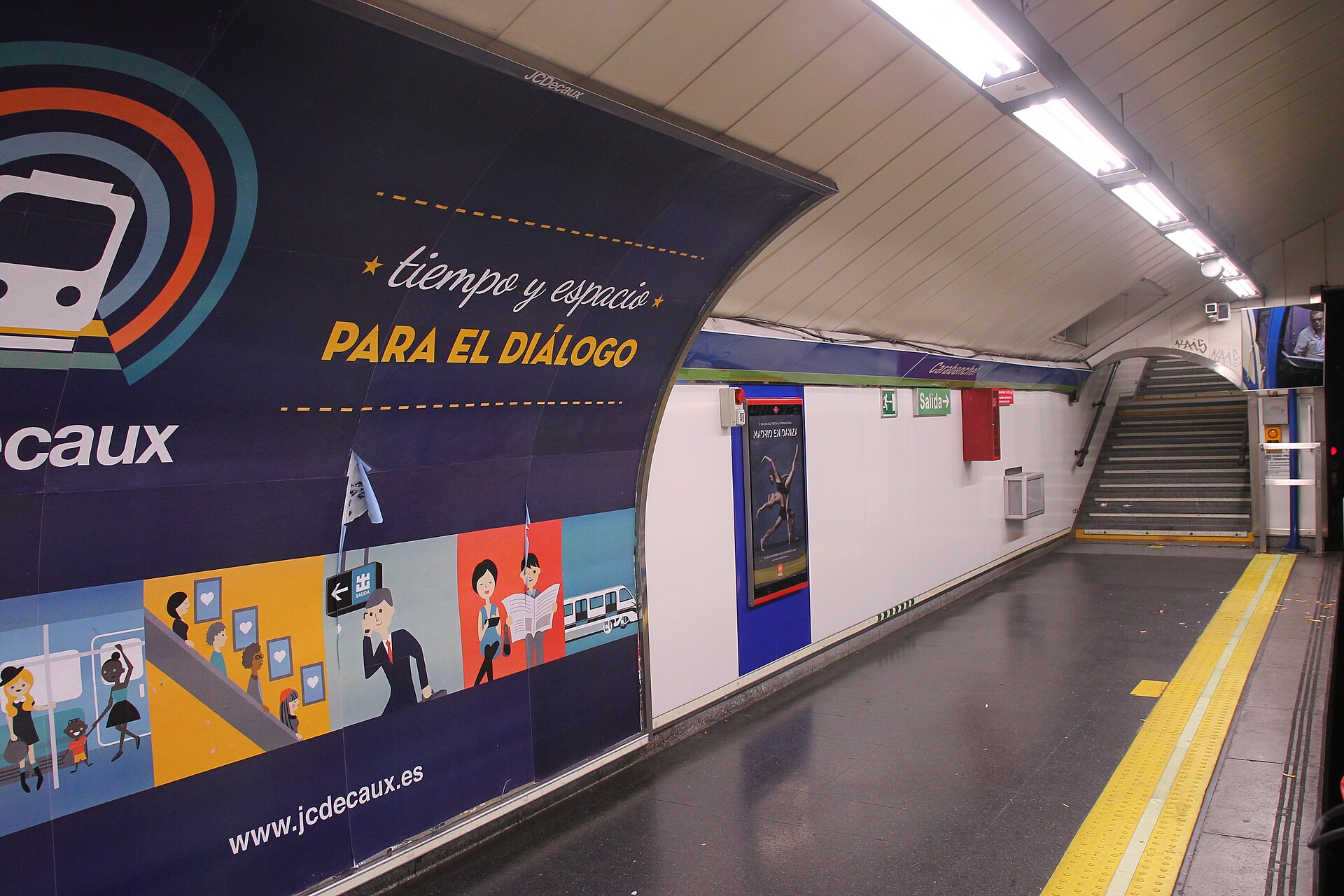
Madrid's public transport is the backbone of visitor movement: an extensive Metro network, a suburban rail system, a light rail (tram) line, and a dense bus network, all supplemented by taxis and ride-hailing services. Carabanchel is plugged into this system through its own Metro station, which is served by Line 5. Line 5 is a useful connection for reaching central Madrid and for linking to other lines where it intersects them.
Metro, rail and tram
- Metro: Carabanchel station sits on Line 5. Use it as your local gateway into the wider Metro network; from there you can change at interchange stations to reach most of the city.
- Suburban rail (Cercanías): Madrid's commuter rail network connects the city centre with outer districts and beyond. It is a good option for longer trips and for reaching mainline stations.
- Tram (Metro Ligero): Madrid also has a light rail line, useful for certain western suburbs. It is not the primary way to reach Carabanchel, but it is part of the wider network you may encounter.
For tickets and passes, Madrid uses a rechargeable public transport card (the Tarjeta Transporte Público) that can be loaded with single tickets or multi-day tourist travel passes. Tourist passes cover the Metro and bus network for a set number of days, which suits visitors planning several journeys a day. Single tickets are also available from station machines. Check current zone coverage before you travel, since the pass type you need depends on which zones you will visit.
Buses
Carabanchel is well served by buses, and the bus stops at Carabanchel Metro station are a convenient interchange point. The routes serving the station are 17, 25, 31, 34, 35, 55, 119, 481 and 486. These give you surface-level options for reaching parts of the district and the city that the Metro does not cover directly, and they are a good fallback when you want to stay above ground and see the neighbourhoods as you travel.
Taxis and ride-hailing
Taxis are a straightforward option in Madrid, and ride-hailing apps operate in the city as well. They are most useful for late nights, for trips with luggage, or for reaching places that are a long walk from a Metro or bus stop. In a large residential district like Carabanchel, a taxi can save time when your destination is off the main transport corridors.
Walking
Carabanchel is a spread-out district, so walking works best within individual neighbourhoods rather than across the whole area. The Metro and bus network is the practical way to cover longer distances between barrios, while walking is ideal for exploring a single neighbourhood at street level. The district's diversity — with a large immigrant population from North Africa, South America and Eastern Europe alongside native-born Spaniards — makes its streets rewarding to wander, with local shops and everyday Madrid life on display.
Getting from the airport into the city
Madrid's main airport, Adolfo Suárez Madrid–Barajas, is connected to the city by Metro, suburban rail, bus, taxi and ride-hailing. The Metro is the cheapest option and links into the same network that serves Carabanchel via Line 5 interchanges; the airport Metro station requires a supplement on top of your normal ticket. The suburban rail (Cercanías) also runs from the airport into central Madrid and connects to mainline stations. Taxis and ride-hailing offer door-to-door convenience, especially with luggage, and the airport bus is a simple surface option into the centre. Once in the city, transfer onto the Metro or a bus to reach Carabanchel; the Line 5 station is your local arrival point.
Practical tips
- Load a rechargeable transport card or a tourist travel pass before you start moving around; it simplifies Metro and bus journeys.
- Use Carabanchel Metro station (Line 5) as your anchor, and the buses at the station (17, 25, 31, 34, 35, 55, 119, 481, 486) for surface connections.
- Plan for the district's size: combine Metro or bus for longer hops with walking within a single neighbourhood.
- Keep a taxi or ride-hailing option in mind for late nights or luggage-heavy trips.