Orientation: Basuo and Dongfang
Basuo is a town on the west coast of Hainan Province and serves as the administrative center of the county-level city of Dongfang. In practice, Basuo is Dongfang's main urban area, so on less-detailed maps the place you are heading for is often marked simply as "Dongfang." That matters when you search for transport, buy tickets, or tell a driver where you are going: the names Basuo and Dongfang are used almost interchangeably for the same built-up area.
How Visitors Get Around
Getting around Basuo is straightforward but low-key. There is no metro, no tram, and no unusual local transport system to learn. The practical options are public buses, taxis, ride-hailing, bicycles, and your own two feet. Note also what does not exist here: there are no tour buses or hop-on-hop-off services, no regular boat taxis (though recreational boat charters can be arranged locally), and no formal guided walking tours for Dongfang City.
Rail Connections
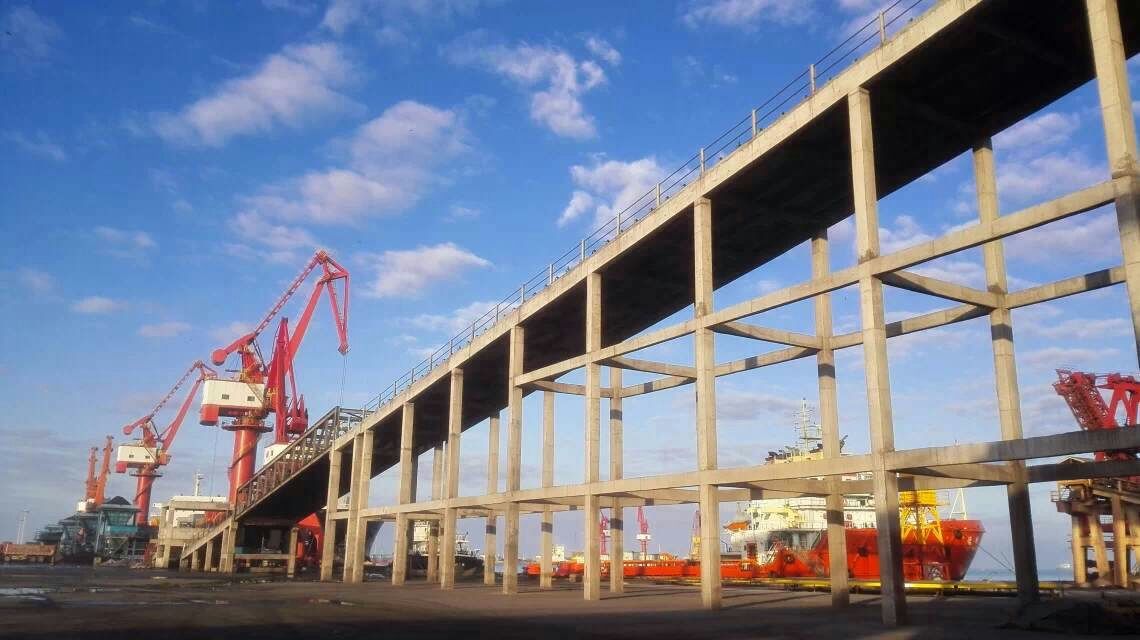
Basuo's port has long been linked to the Shilu iron-ore mine. The narrow-gauge railway that first made that connection in the early 1940s has since been converted to standard gauge and now forms part of the Hainan Western Ring Railway. For a visitor, the takeaway is that Basuo sits on Hainan's western rail corridor rather than being an isolated coastal town.
Buses and Public Transport
The public bus network covers the main urban areas of Dongfang, linking residential zones, commercial centers, and some local attractions, with routes radiating out from downtown. The key hub is Dongfang Bus Station, which is also the departure point for long-distance routes.
- Fares: roughly ¥1–5 per ride.
- Payment: exact-change cash, or a QR scan on boarding using WeChat Pay or Alipay.
- Hours: service runs from about 6:00 AM until roughly 9:00–10:00 PM.
- Frequency: popular routes run every 15–30 minutes.
- Route information: maps are posted at bus stops, and local navigation apps carry route details.
- Accessibility: buses may not be fully accessible for travelers with mobility challenges.
Navigation Apps
Baidu Maps and Gaode (Amap) provide real-time bus routes and schedules. Both are mainly in Chinese, so it helps to have a translation tool or a Chinese-speaking helper on hand.
Taxis and Ride-Hailing
Licensed taxis are easy to spot by their color, roof signs, and meters, and can be hailed on the street or picked up at stands. Metered fares start at around ¥8–10, payable in cash, by WeChat Pay, or by Alipay.
Didi Chuxing is the dominant ride-hailing app. It has an English interface and links to international credit cards and digital payments, and it tracks driver and passenger information — useful reassurance if you are not confident in Chinese.
Walking and Cycling
Central Dongfang, with its shops and restaurants, is walkable, and coastal promenades and parks such as Little Corner Park offer scenic routes on foot. Some newer developments have dedicated bike lanes; elsewhere cyclists share the road with vehicles. Helmets are advised, and local driving can be unpredictable. Avoid major highways and expressways, which are unsuitable and unsafe for pedestrians and cyclists. Good areas to ride include the surroundings of Yulin Bay and Little Corner Park.
Shared bicycles from Meituan Bike and Hellobike may operate in urban areas and are accessed through apps integrated with WeChat and Alipay; local shops also rent bicycles. Motorcycle and scooter rentals are uncommon for tourists, require a valid motorcycle license, and helmets are mandatory.
Car Rental and Driving
Renting a car is possible but not simple. Foreign driver's licenses are not directly valid — you need a temporary Chinese driving permit, and the process is cumbersome, often requiring Chinese-language assistance. You will need your passport, the temporary permit, and a credit card for payment and deposit. Rental options are scarce in Dongfang City itself, so consider renting from Sanya or Haikou instead. If you do drive, traffic keeps to the right, and parking is competitive in high-traffic areas.
Accessibility
Public transport and general infrastructure have limited accessibility features. Private transport — taxis and Didi — offers the most flexible option. Hotels may be able to assist with arranging suitable transport or accessible routes.
Getting In from the Airport
The source material does not describe an airport serving Basuo or Dongfang, nor any airport transfer arrangements. What it does indicate is that Dongfang Bus Station is the departure point for long-distance routes, and that Sanya and Haikou are the practical bases for renting a car in the region. If you are flying in, plan to arrive via one of Hainan's larger gateways and continue onward by long-distance bus or rail; confirm current schedules and connections locally, as the reference material does not cover them.