Understanding Pengpu
Pengpu is a residential and commercial neighbourhood in northeast Shanghai, anchored by the Pengpu Xincun metro station on Line 1. It mixes mid-century housing estates with modern apartment blocks, student cafés, local markets and shopping streets, and sits near Wujiaochang and Fudan University. Note that sources disagree on which district it belongs to, so treat the district label with caution. What matters for a visitor is that the area is well served by Shanghai's public transport network, and almost everything you need is reachable by metro, bus, bike or taxi.
How Visitors Get Around
Shanghai's transport is fast, frequent and largely cashless. Metro, buses, bike-sharing and ride-hailing all work together, and most visitors find a combination of metro for longer hops and bikes or walking for the last stretch works best. Payment is dominated by Alipay and WeChat, and a Shanghai public-transport card is also widely accepted on metro and buses.
Metro and Rail
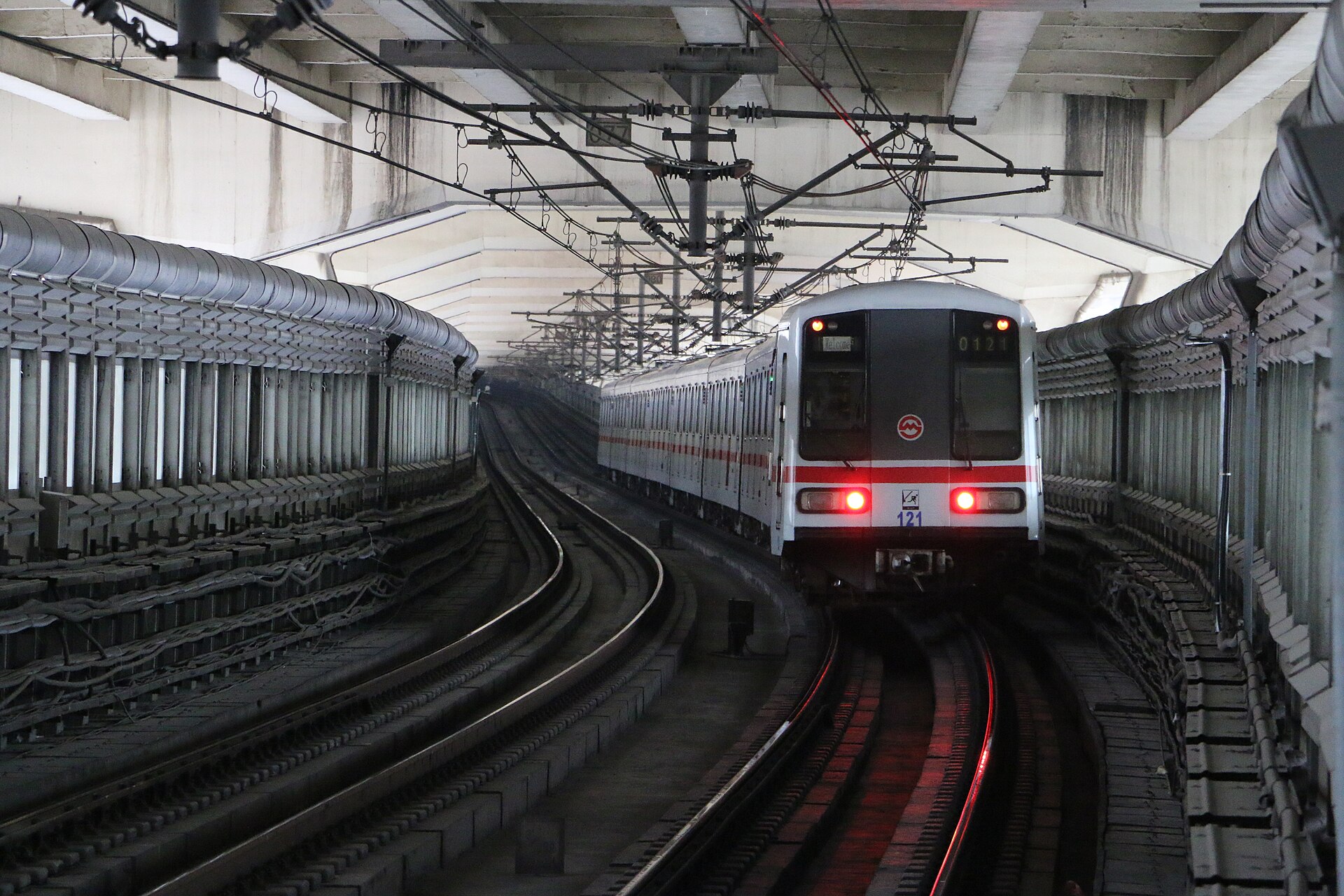
The metro is the backbone of getting around. Pengpu Xincun station on Line 1, a north–south line, serves the neighbourhood directly. Line 1 connects to major interchanges including Zhongshan Park and People's Square, where you can transfer to other lines. Fares are distance-based, roughly ¥3–¥9, paid with a transport card or mobile payment. Services generally run from around 05:00 to about 23:00, depending on the line.
For travel into and out of Shanghai, the mainline stations are well connected:
- Shanghai Railway Station: Line 1 runs northbound directly to Pengpu Xincun, a short ride of roughly 15–25 minutes for about ¥3.
- Hongqiao Railway Station: reachable by metro with a transfer in roughly 25–45 minutes for about ¥3–8.
- Taxis from either station take roughly 15–40 minutes and cost about ¥30–120, depending on traffic.
Long-distance coaches arrive at terminals such as the Shanghai Long-distance Bus Station and Shanghai South Long-distance Bus Station; from there, transfers by metro or taxi take roughly 10–40 minutes. Coach tickets vary widely, with short intercity routes typically around ¥40–100.
Buses and Other Public Transport
A dense local bus network serves Pengpu and the surrounding neighbourhoods, reaching places the metro does not. Urban fares are typically around ¥2 with a transport card, though sources give a range up to ¥6. Buses are slower than the metro, so use them when a route is convenient or when you want to see the streets rather than tunnel through them.
Bike-sharing (Mobike and HelloBike) is popular for short "last-mile" trips, and bike lanes run along Jiangwan Road. For many short journeys within the neighbourhood, a shared bike is the quickest option.
Taxis and Ride-Hailing
Taxis are metered, starting at around ¥14 for the first 3 km in central Shanghai. Didi, the main ride-hailing app, shows upfront fares and is sometimes cheaper. Rush-hour congestion can greatly lengthen even short trips, so for short hops the metro or a bike is often faster.
Walking
Pengpu itself is a walkable neighbourhood, with markets, eateries and shopping streets close together. Nearby, Fudan University's historic campus has classical buildings and tree-lined avenues with public walking routes, and Tongji University offers a quieter campus with modern architecture and student cafés. The Yangpu riverside promenades along the Huangpu are good for strolling and watching cargo vessels, with seasonal snack stalls in warmer months. The Yangpu Bridge, a cable-stayed crossing over the Huangpu, offers city and river views.
Getting In from the Airport
Shanghai has two main airports, and both connect to Pengpu by metro:
- Pudong (PVG): take the Maglev to Longyang Road (about 8–10 minutes, ¥50), then Metro Line 2 and transfer to Line 1. The total journey is roughly 60–90 minutes plus ¥3–8 in metro fares. Airport shuttles cost about ¥20–30; a taxi runs ¥200–350 and takes 45–75 minutes.
- Hongqiao (SHA): Metro Lines 2 or 10 with a transfer to Line 1 takes roughly 25–40 minutes for about ¥3–6. A taxi takes about 30–45 minutes and costs ¥60–120.
Practical Tips
- Set up Alipay or WeChat before you arrive; mobile payment is the norm, and 24-hour convenience stores are common.
- Queue patiently on metro platforms and keep phone calls quiet on the train.
- Learn a few Mandarin phrases; it goes a long way in markets and local eateries.
- Prices are fixed in shops near Fudan and Wujiaochang.
- Spring (March–May) and autumn (September–November) are the most comfortable seasons, with October often rated the most pleasant. Summers are hot, humid and wet, with typhoon and rain risk; winters are short, cold and damp.
- Pengpu makes a good base for day trips to Zhujiajiao water town, Suzhou and Hangzhou, all reachable by high-speed train.