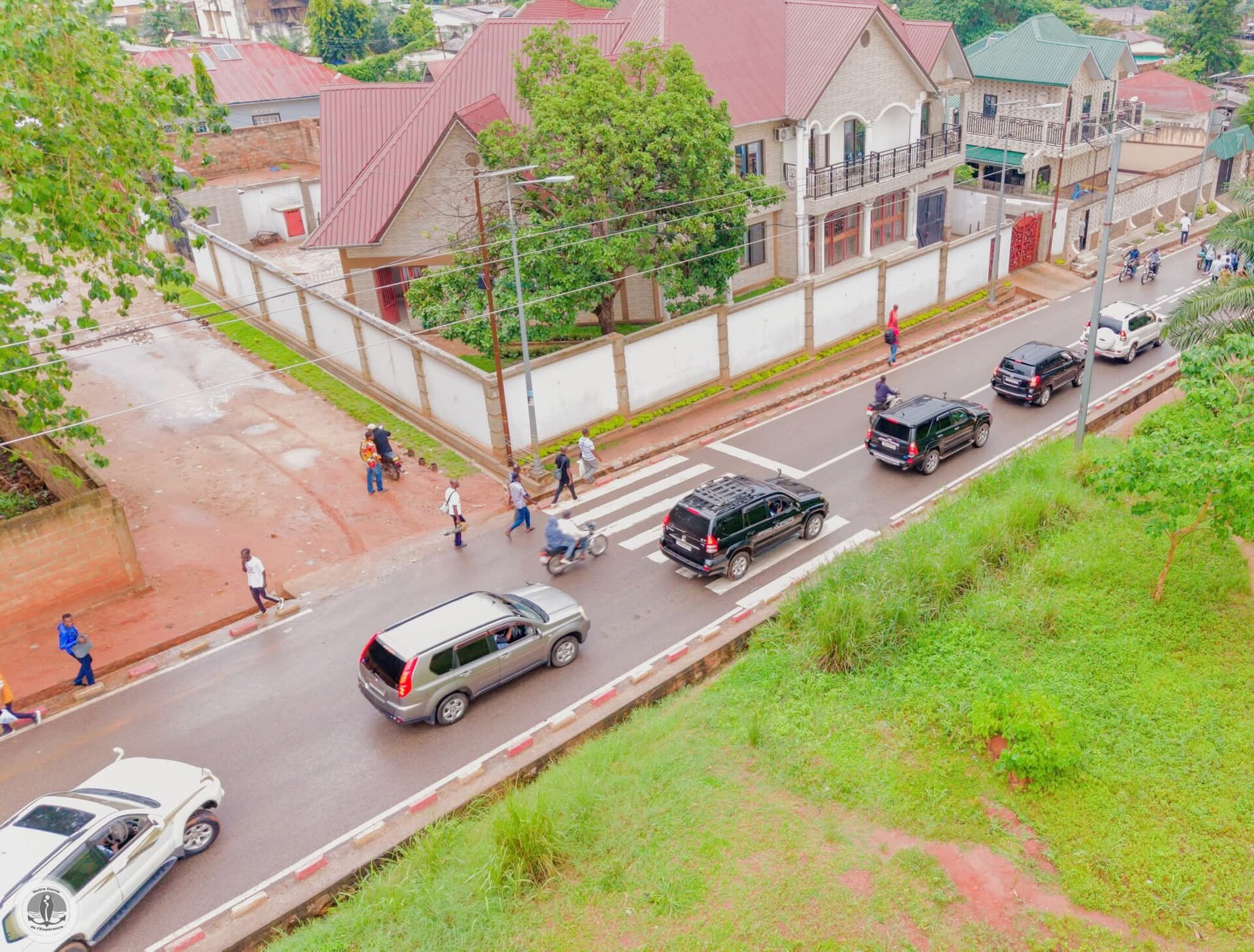
Mbuji-Mayi is a significant urban center in the Kasai-Oriental Province of the Democratic Republic of the Congo. Due to its remote location and the limited state of regional infrastructure, navigating the city and reaching it requires specific logistical considerations for any visitor.
Arrival and Airport Logistics
The most practical way to reach Mbuji-Mayi is by air. The city is served by the Mbuji Mayi Airport, which provides a vital link given the poor condition of regional roads and rail systems. Several domestic airlines operate flights into the city from major hubs: Air Kasaï provides connections to Kinshasa and Kananga, while Congo Airways offers flights to Lubumbashi.
For international travelers, the airport serves as a gateway for an international route to Addis Ababa via Ethiopian Airlines. While there is a road connection from Mwene-Ditu—the location of the nearest train station—air travel remains the primary recommended method for reaching the city reliably.
Navigating the City
Getting around Mbuji-Mayi involves navigating a landscape shaped by its history as a mining hub. While the city is divided into five distinct communes (Bipemba, Dibindi, Diulu, Kanshi, and Muya), the infrastructure varies significantly depending on the area.
- Road Conditions: Visitors should be aware that road quality can be inconsistent. Historically, paved roads have been limited and often deteriorate during rainy seasons.
- Infrastructure Zones: There is a notable distinction between areas managed by local mining interests and those outside of them. Infrastructure in the former may be better maintained but remains subject to the practical limitations of the region's environment.
Public Transport and Connectivity
While the city serves as a major regional hub, it remains relatively isolated from other provinces and major centers like Kinsha and Lubumbashi. Because of this isolation, local transit is primarily focused on internal movement within the city and its immediate surroundings.
- Rail: While a rail system exists in the broader region, the nearest station is located in Mwene-Ditu rather than within the city limits itself.
- Local Transit: Movement within the city typically relies on local transport networks to navigate between the various communes and business districts.