Getting Around Joinville
Joinville is the largest city in Santa Catarina and a major industrial, financial and commercial centre, so it has a well-developed transport network for a city of its size. For a visitor, the practical picture is simple: the centre is best explored on foot, buses cover the rest of the city, and taxis or ride-hailing fill in the gaps. Note that Joinville has no rail, metro or tram network for visitors to use — getting around is done by road.
On Foot
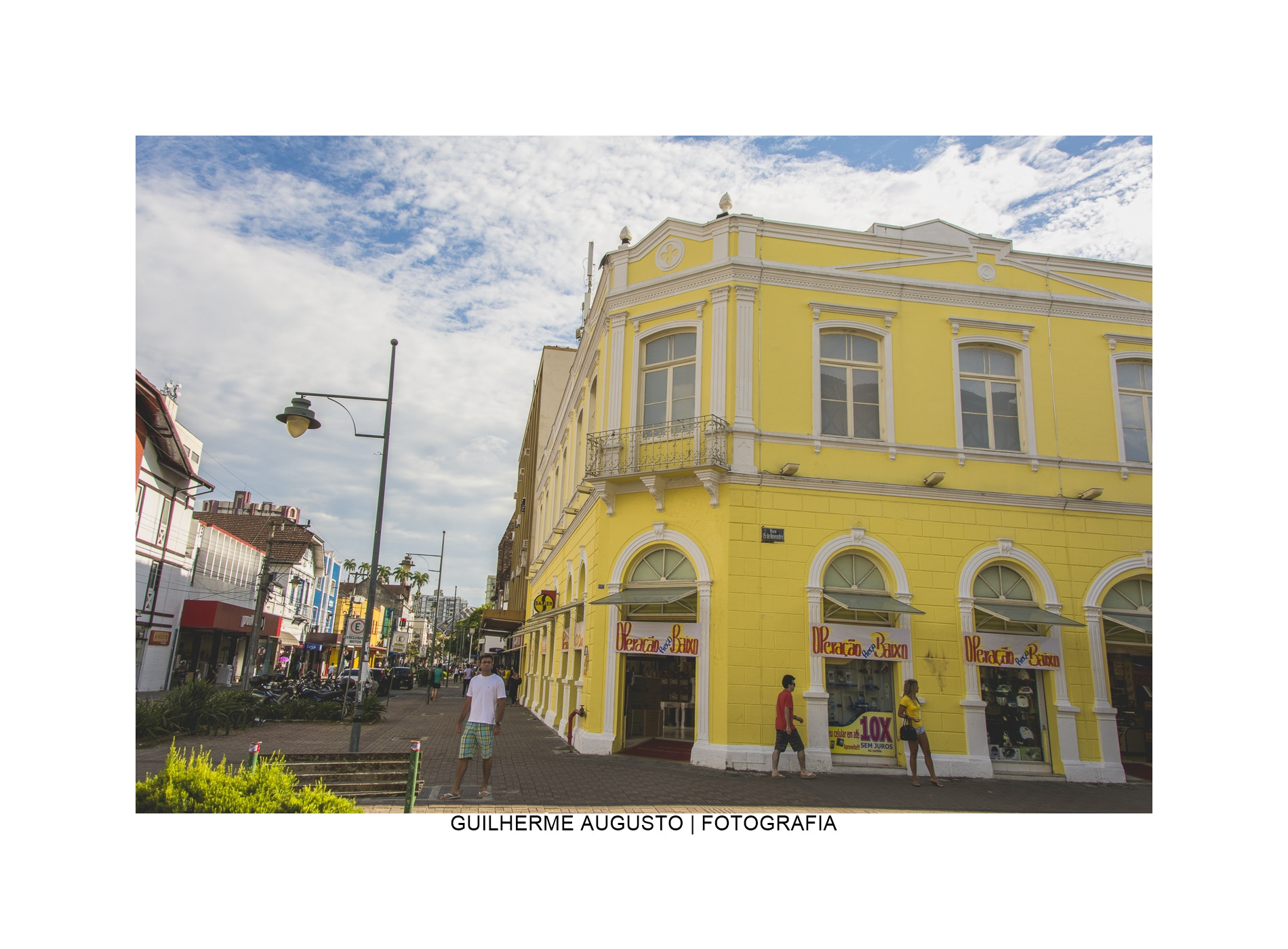
Downtown Joinville — the Centro — is the easiest part of the city to explore on foot, as everything is close together. If your hotel, meetings or sightseeing are concentrated in the centre, you can reasonably leave the car or bus behind for the day. Venturing out into the suburbs on foot is less practical, and that is where the bus network comes in.
Buses
Joinville has a reliable bus network that is used heavily by locals, and it is the main way to reach the suburbs and neighbourhoods outside the centre.
- Where to buy tickets: Tickets can be purchased at any one of the numerous bus terminals around the city, or directly on the buses themselves.
- Watch the bus colours: Buses painted completely blue, and those with a blue stripe on each side, are direct services. These generally run from one bus station to another without stopping, so they are not the ones to board if you want to get off somewhere along the way.
- Long-distance buses: The city is served by the Harold Nielson Bus Station (the rodoviária). Joinville can be reached by bus from almost any town or city in Santa Catarina, with Catarinense — the state's largest bus company — offering the greatest range. From outside the state, there are services from Curitiba, São Paulo, Florianópolis, Porto Alegre and Iguaçu Falls (via Curitiba).
Taxis and Ride-Hailing
Taxis are the recommended option for reaching the city from the airport (see below), and they are a straightforward fallback anywhere in the city where buses do not conveniently reach. Ride-hailing apps are a common alternative in Brazilian cities of Joinville's size; as with taxis, agree or confirm the fare or app price before setting off if you are unsure.
Arriving by Air: Joinville-Lauro Carneiro de Loyola Airport (JOI)
Joinville's airport is a minor airport in southern Brazil and serves only domestic flights. It sits a short drive from downtown. Several cities around Brazil have flights to and from Joinville, with the most regular connections (multiple daily flights) being to and from São Paulo, via both Congonhas and Guarulhos airports.
From the airport into the city, visitors have two options:
- Taxi (recommended): The drive to the centre takes on average about 25 minutes. Fares change over time, so confirm the current price with the driver or at the taxi rank rather than relying on older figures.
- Public transport (recommended for locals only): There are no direct buses from the airport to the city centre or the bus terminal. You would need to take a bus to Iririú and change there for a bus towards the centre. This is workable but slow and awkward with luggage, which is why it is generally suggested for locals rather than visitors.
Arriving by Car
If you are driving into Joinville, BR-101 is the main highway through town, connecting from Balneário Camboriú and Florianópolis to the south and Curitiba in Paraná to the north. From the west, via Canoinhas or Papanduva, you will likely arrive on BR-280, which intersects with BR-101 a few kilometres south of town, or on SC-301, which meets BR-101 at the north end of town. The main entrance to town is considered to be the exit at Rua XV de Novembro, which leads east into the downtown district.
Practical Summary
- Stay in or near the Centro if you want to walk to most things.
- Use the bus network for the suburbs; buy tickets at bus terminals or on board.
- Avoid all-blue buses and buses with a blue side stripe unless you want a non-stop direct service between stations.
- Take a taxi from the airport; the bus alternative requires a change at Iririú and is aimed at locals.
- Long-distance arrivals by bus come into the Harold Nielson Bus Station.