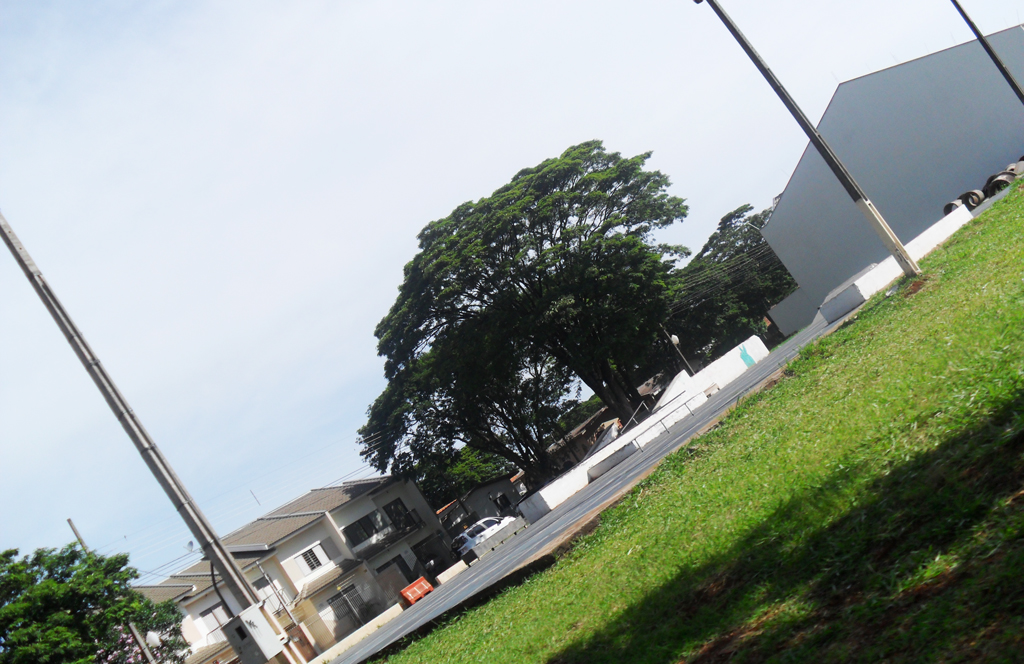
Understanding Sarandi's Setting
Sarandi is a municipality in the state of Paraná, Brazil. It is worth being clear about this up front, because the name "Sarandi" is shared by several places in South America, including a city in Argentina and towns in Uruguay. If you are planning a trip, confirm you are headed to Sarandi, Paraná, and not one of its namesakes.
Sarandi is a small interior municipality rather than a major metropolitan centre, and the practical guidance below reflects that. The most detailed transport information available concerns long-distance bus connections, which are the main way visitors reach and leave the town.
Getting Around the City
Visitors should plan on getting around by road transport—buses, taxis or ride-hailing—and on foot for short trips within the centre.
Rail, Metro and Trams
There is no rail, metro or tram service described for Sarandi in the available information. Do not build an itinerary around train travel within the municipality; road-based options are the realistic choice.
Buses and Intercity Connections
Buses are the backbone of travel to and from Sarandi. Intercity services arrive at a single stop in town: Bus Stop, R. Tiradentes 1203. This is the address to give a taxi driver or to look for when you arrive.
Several operators serve the town, including Viação Tiquin, Viação Ouro e Prata, Auto Viação Catarinense, Viação Valtur, Viação Planalto and Viação Lopestur. Connections are frequent across the day, though the exact schedule varies by origin and date, so check timetables close to your travel date.
Representative routes and approximate journey times give a sense of how Sarandi connects to the wider region:
- Carazinho, RS — roughly an hour and ten minutes (Ouro e Prata)
- Palmeira das Missões — about forty minutes (Lopestur); a BlaBlaCar carpool option is also listed for a similar duration
- Chapecó, SC — between about two and a half and three hours (Valtur, Planalto, Ouro e Prata)
- Xaxim — around three hours and twenty minutes (Tiquin)
- Porto Alegre, RS (Central Bus Station) — about five hours and twenty minutes (Ouro e Prata)
- Florianópolis, SC (Rita Maria terminal) — a long haul of roughly twelve and a half hours (Tiquin)
- Itajaí, SC — an overnight-length journey of around nineteen and a half hours (Catarinense)
Fares vary widely by origin, from very cheap regional hops to much pricier long-distance tickets. Treat any quoted price as indicative and confirm at the time of booking. Onboard amenities—air conditioning, power sockets, Wi-Fi and luggage allowances—differ by operator, so check what your specific service includes before you travel.
For booking, bus aggregator sites and the operators themselves are the practical route; buying ahead is sensible for the longer services from Santa Catarina and Porto Alegre.
Taxis and Ride-Hailing
BlaBlaCar carpooling is listed for at least one regional route (from Palmeira das Missões), which suggests shared rides are used in the area. For local trips, ask at your accommodation about taxis, and confirm availability before relying on app-based rides in a smaller municipality.
Walking
No specific walkability information is available for Sarandi. In a town of this size, the central area is likely to be manageable on foot for everyday needs, but plan on motorised transport for anything beyond the centre.
Getting from the Airport
The realistic approach for most visitors is to fly into a larger regional or state gateway and continue by intercity bus—Porto Alegre and Florianópolis are both connected by direct coach services, as are closer centres such as Chapecó and Carazinho. From those points, book a bus to the R. Tiradentes stop in Sarandi and arrange a local taxi for the final leg.
Practical Tips
- Local time is UTC−3.
- Double-check that your ticket is for Sarandi, Paraná—not the Argentine or Uruguayan places of the same name.
- Direct connections vary by origin and date, so verify schedules before travelling.
- Arrive with the bus stop address (R. Tiradentes 1203) to hand for your final transfer.