Getting Around Paranaguá
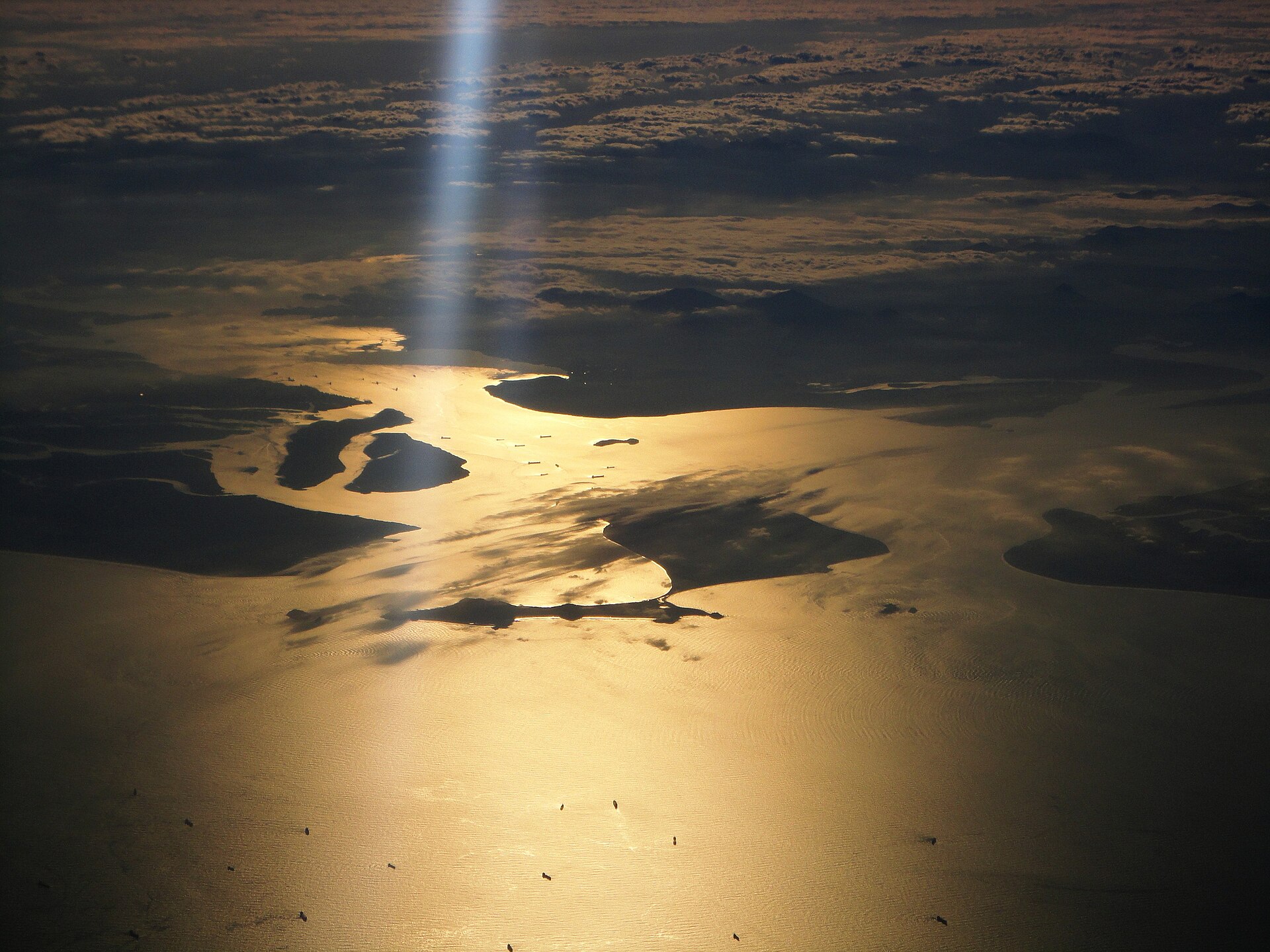
Paranaguá is a coastal city in the state of Paraná, Brazil, and the state's oldest settlement. It sits on Paranaguá Bay, and its economy and identity are tied to the deepwater Port of Paranaguá, which also serves as the sea link for Curitiba to the west. For a visitor, the practical reality is that this is a compact, walkable city rather than one with an extensive urban rail network.
Rail, Metro and Tram
Paranaguá has no metro or tram system for visitors to use, and no urban rail network serving the city itself. Getting around on the ground is therefore a matter of walking, buses, taxis and ride-hailing rather than trains.
One rail-related point is worth knowing for orientation: the Port of Paranaguá functions as the sea link between the city and Curitiba, the state capital. If you are planning to move between the coast and the capital, think in terms of road transport rather than a passenger rail service.
Buses and Public Transport
Buses are the main form of public transport within the city. As with most Brazilian cities, you pay on board, and it is sensible to carry small change or a rechargeable transit card if one is available locally. Because Paranaguá is a relatively small city by area, bus routes tend to be short and straightforward, and the historic centre, the port area and the waterfront are all within easy reach of one another.
For longer trips along the coast, passenger launches are the key connection. Paranaguá is linked by passenger launch to Guaraqueçaba, Ilha do Mel, and Ilha do Superagui (part of Superagüi National Park). These boat services are the practical way to reach the bay's islands and the surrounding coastal communities, and they leave from the city's waterfront.
Taxis and Ride-Hailing
Taxis are available in Paranaguá and are a convenient option for short hops around the centre, for reaching the port area, or for getting to the waterfront where the launches depart. Ride-hailing apps also operate in the city and can be a useful alternative, particularly if you are travelling with luggage or arriving late. As elsewhere in Brazil, it helps to have a local SIM or data connection so you can book and track a ride.
Walkability
Paranaguá is a good city for walking. It is the oldest city in Paraná, and much of interest to a visitor — the historic centre, the riverside and the port surroundings — is concentrated and reachable on foot. The climate is humid subtropical, with hot summers and very mild winters, and the city is notably rainy, so a compact umbrella or light rain jacket is worth carrying year-round. The wettest stretch tends to fall in the summer months and the driest in winter, though rain is possible at any time.
Getting There from the Airport
Paranaguá itself is served by Paranaguá Airport, a small general aviation airport, which is not the arrival point for most visitors coming by commercial flight.
The closest international airport to the city is Afonso Pena International Airport in São José dos Pinhais, which sits directly adjacent to Curitiba. This is the airport most visitors will fly into. From there, the journey to Paranaguá is made overland, by road, heading east from the Curitiba area toward the coast. Because there is no passenger rail link, your options are road-based: a long-distance bus, a transfer or shuttle service, or a taxi or ride-hailing car for the full trip. If you are relying on buses, it is worth checking schedules in advance, as services are less frequent at night.
Practical Tips
- Carry small change or a transit card for bus fares, and pay on board.
- Use taxis or ride-hailing apps for short trips around the centre and to the launch docks.
- Plan island and coastal trips around the passenger launches to Guaraqueçaba, Ilha do Mel and Ilha do Superagui.
- Pack for rain — Paranaguá is a wet, humid coastal city, and showers can arrive in any season.
- Fly into Afonso Pena International Airport near Curitiba and continue to Paranaguá by road, since the city's own airport handles only general aviation.