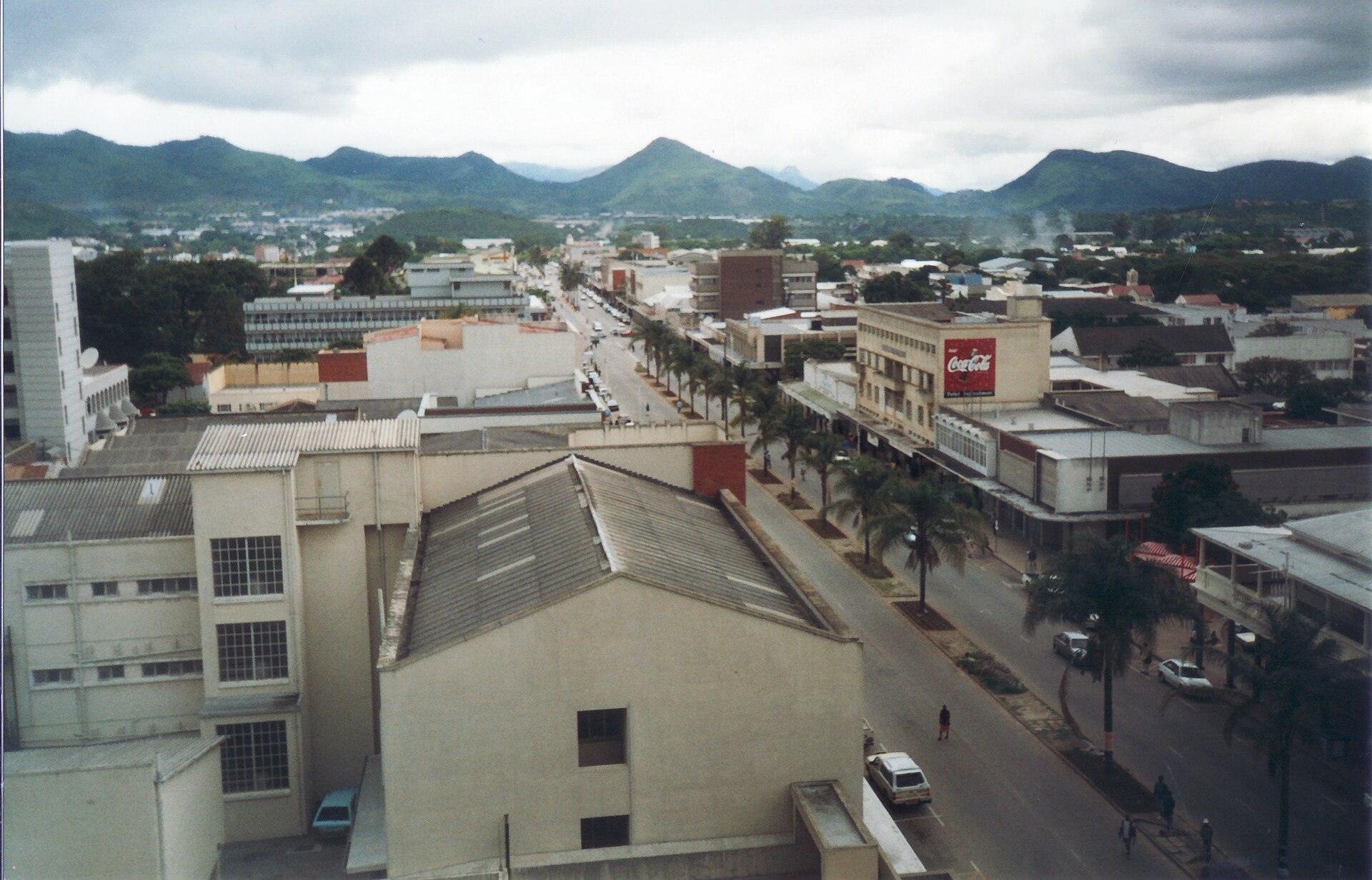
Stand on the dual-carriageway of Christmas Pass as it winds down towards the city and the Eastern Highlands open up ahead of you. This is the western approach into Mutare, and it sets the tone for a place that Zimbabweans call Kumakomoyo, the place of many mountains.
Mutare suits travellers who want wildlife, colonial-era memorials, a working museum and mountain scenery within a short drive of one another, and who are using the city as a base for the Eastern Highlands and the route towards Mozambique. It is a city of suburbs spread across ridges and valleys, so plan on moving between them by car or taxi rather than on foot.
This guide covers the sights and experiences the sources describe, in the order worth doing them, followed by a one-day plan and answers to common questions.
Top things to do in Mutare
1. Cecil Kop Nature Reserve
The reserve covers scenic hill country within easy reach of the city centre, and you can see Zimbabwe's wildlife under natural conditions here: antelope, elephant, rhino, zebra and wildebeest. It is open every day of the year, with hours of 08:00-17:00 Monday to Friday and 08:00 until sundown on Saturday and Sunday.
Reach it from the car park behind the Showgrounds, from the sign-posted turn-off on the Old Christmas Pass Road, or by following Arcadia Road north of the city centre. You may also drive around the Thompson's Vlei section of the game park on the eastern borders of the city. Murahwa's Hill forms the backdrop to the Mutare Showgrounds, and this nature reserve is a naturalist's delight, with rare birds, butterflies and trees in their natural environment.
2. Cross Kopje Memorial
In Greenside, east of the city centre, this memorial was built in memory of 269 Africans from Rhodesia, Nyasaland and the Portuguese East Africa who lost their lives in the German East African Campaign of World War I. It was erected by Colonel Methuen.
The cross is constructed of granite and reinforced concrete, stands nearly ten metres high, is over a metre thick, has cross arms of nearly five metres and weighs over fifty tonnes. It was once illuminated by floodlights, now defunct, which gave the cross an impressive silhouette. Combine it with the eastern suburbs and the nearby border side of the city.
3. Mutare Museum
On Victory Avenue off Aerodrome Road, the museum is open daily from 09:00 to 17:00. It was established in 1945 and in 1959 was taken over by the National Museums and Monuments as the third of its five national museums.
It houses the national collection of antiquities, firearms, edged weapons and road transport. The display galleries include the flora and fauna of Manicaland, zoology exhibits, transport items and a large walk-in aviary housing over 500 birds, with temporary displays held regularly. Entry is US$3 for residents and US$10 for non-residents.
4. Mutare Main Park Aloe Gardens
The Aloe Gardens in Mutare's Main Park are the result of many years of hard work and are becoming increasingly known throughout the southern Africa region. The gardens contain about 10,000 aloes and numerous indigenous shrubs and cycads.
The 243 species of aloe were collected from throughout Africa and Madagascar. Pair a walk here with the Civic Centre complex nearby.
5. The Civic Centre Complex
Apart from being the administrative centre of the city, the complex contains the Courtauld Theatre, the Queen's Hall and the Turner Memorial Library. During working hours visitors may see the Mayor's Parlour, the reception rooms and the Council Chamber.
The Turner Memorial Library is a subscription lending library with a good variety of fiction and non-fiction. Across the road from the complex is the Mutare Post Office, which opened in 1973. The National Arts Gallery and Courtauld Theatre are two places in Mutare where you can go to experience some culture.
6. Lake Alexander / Ozdani Dam
About 35 km north of Mutare on the Odzani Road, which passes through Penhalonga, this site offers magnificent views along with thatched shelters, toilets and braai areas for campers. It is popular for fishing, yachting and rowing, and row boats are available for hire, with a yachting club at the lake.
Smallbridge Dam, upstream from Lake Alexander on the Odzani River, offers fishing and boating in scenic surroundings. This is a full half-day or day out from the city, so set off in the morning and take your time on the Odzani Road.
7. Christmas Pass
This mountain pass leads into the city from the west and features a winding, dual-carriageway road with scenic views of the surrounding Eastern Highlands. It was named by colonial pioneers who camped at the foot of the pass on Christmas Day 1890.
Treat the drive itself as the experience, and time it for clear conditions so the views hold. It is the natural first or last stop on any approach to Mutare from Harare.
8. Murahwa Hill
Murahwa Hill is known for its rock paintings and Iron Age village, and it forms the backdrop to the Mutare Showgrounds. It sits within the same naturalist's country as the Cecil Kop reserve, where rare birds, butterflies and trees are found in their natural environment.
Combine a visit with the Showgrounds side of the city, which is also one of the access points for the Cecil Kop Nature Reserve.
If you only have one day
Morning: Start at the Mutare Museum on Victory Avenue off Aerodrome Road when it opens at 09:00, and give the galleries and the walk-in aviary proper time. Then head to the Mutare Main Park Aloe Gardens to walk among the aloes, shrubs and cycads.
Afternoon: Drive out to the Cecil Kop Nature Reserve for the wildlife and the views, entering from the car park behind the Showgrounds or the sign-posted turn-off on the Old Christmas Pass Road. If time allows, add Murahwa Hill for the rock paintings and Iron Age village on the same side of the city.
Evening: Finish at the Civic Centre Complex, where you can see the Mayor's Parlour, the reception rooms and the Council Chamber during working hours, look in at the Turner Memorial Library, and take in the Courtauld Theatre or the National Arts Gallery for some culture.
Frequently asked questions
When is the best time of year to visit Mutare?
The city has a humid subtropical highland climate, and from March to June conditions are generally settled and mild. Rain falls mostly from December to February, although heavy showers are possible before and after that period. July is the coldest month and October the hottest.
Do I need a car to see the sights?
It helps. The Cecil Kop Nature Reserve can be reached from the car park behind the Showgrounds, from the sign-posted turn-off on the Old Christmas Pass Road, or by following Arcadia Road north of the city centre, and you may drive around the Thompson's Vlei section. Lake Alexander is about 35 km north on the Odzani Road, and Christmas Pass is a drive in itself.
What can I see at the Mutare Museum?
The museum houses the national collection of antiquities, firearms, edged weapons and road transport, with galleries covering the flora and fauna of Manicaland, zoology exhibits and transport items, plus a large walk-in aviary housing over 500 birds and regular temporary displays. It is open daily from 09:00 to 17:00, and entry is US$3 for residents and US$10 for non-residents.
What is there to do outside the city itself?
Head north on the Odzani Road through Penhalonga to Lake Alexander and the Ozdani Dam for views, fishing, yachting and rowing, with row boats for hire and a yachting club at the lake. Smallbridge Dam, upstream on the Odzani River, offers fishing and boating in scenic surroundings.
Use this list to sketch your days, check the museum and reserve hours before you set out, and start planning your route into the Eastern Highlands.